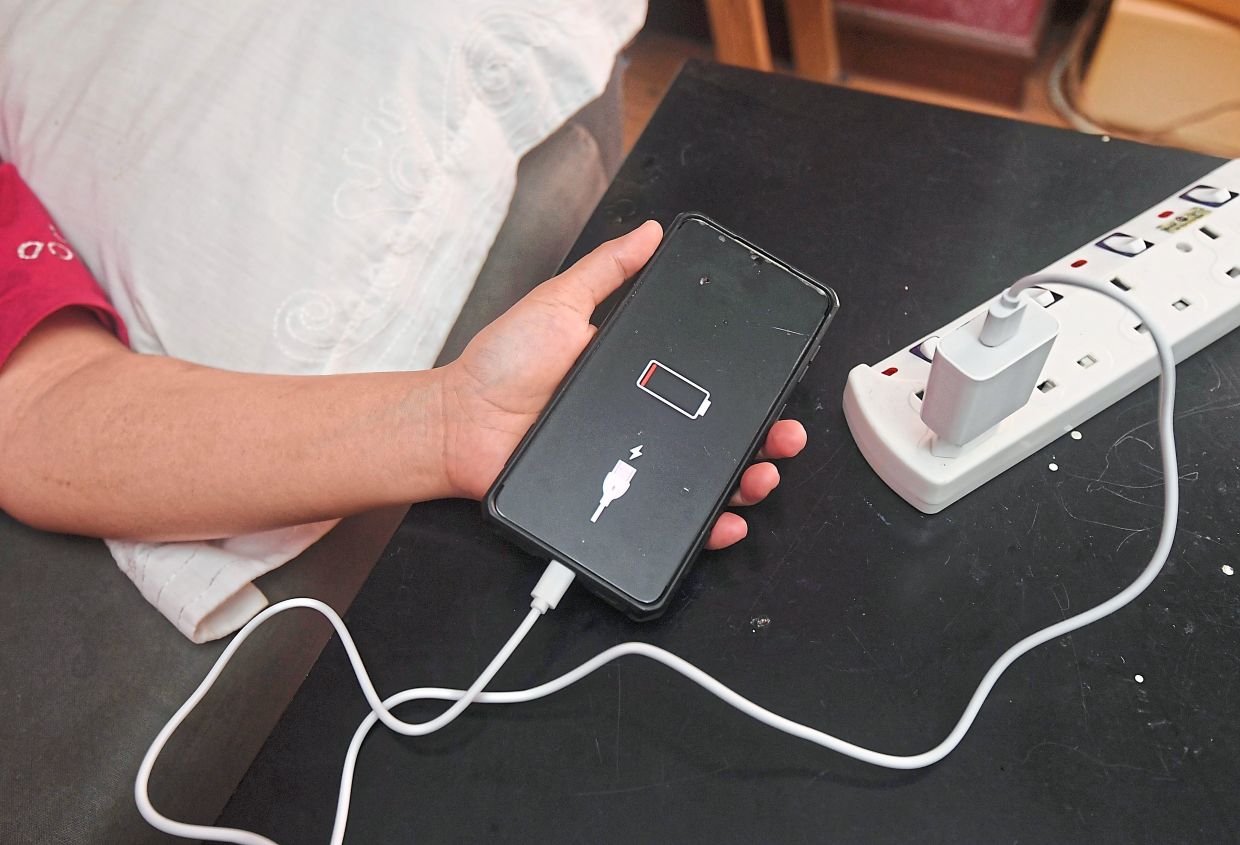
Malaysia's Fire and Rescue Department has sounded an alarm over the mounting financial toll of domestic fires triggered by improper device charging practices. Between 2023 and 2025, unsafe charging methods ignited 59 separate incidents across the country, destroying property valued at RM14.2 million. The scale of destruction highlights how negligent household habits around consumer electronics pose an underestimated fire hazard, threatening both lives and livelihoods across Malaysian communities.
The geographic distribution of incidents reveals a concentration of risk in East Malaysia, with Sarawak bearing the brunt of damage. The state accounted for eleven cases resulting in approximately RM9.7 million in losses—nearly 68 per cent of the national total. This disparity raises questions about whether infrastructure, building standards, or consumer awareness differ markedly between regions. Kelantan followed with seventeen incidents costing RM1.14 million, while Sabah experienced three fires that destroyed RM806,800 worth of property. The remaining incidents were scattered across Selangor, Penang, Johor, Putrajaya, Melaka, Terengganu and Perak, with losses ranging from RM95,750 to RM661,040 per state.
Six states reported no documented incidents during this period: Kedah, Negri Sembilan, Pahang, Perlis, Kuala Lumpur and Labuan. Notably, the fire department recorded no fatalities throughout the three-year span, suggesting that awareness campaigns and rapid emergency response have prevented tragedy even as property damage accumulates. This absence of deaths, however, should not mask the urgent need for prevention, as each incident represents families losing homes and possessions to entirely preventable circumstances.
Investigating device-related fires demands forensic rigour that extends beyond simply quantifying monetary losses. The Fire and Rescue Department emphasises that every case presents unique technical challenges requiring meticulous analysis. Variables including the incident location, the specific device involved, the condition of physical evidence after the blaze, safety hazards present during investigation, and the technical data requiring analysis all influence the complexity of determining root causes. What appears a straightforward case on the surface may demand weeks of expert examination, whilst some larger fires can be resolved more quickly once the triggering mechanism is identified.
The department notes that the most labour-intensive investigations do not always involve the largest fires or costliest destruction. Cases requiring extensive technical analysis, stringent risk assessment protocols, and careful interpretation of fragmented or damaged evidence present greater investigative burdens. This distinction matters because it reveals how resource-intensive fire prevention and investigation have become, straining departmental capacity even as public awareness remains insufficient.
Patterns emerging from departmental investigations expose the specific behaviours that create fire hazards in Malaysian homes. Leaving devices unattended during overnight charging emerged as a primary culprit, eliminating the possibility of human intervention if problems develop. The use of non-certified chargers and cables—often chosen because they cost far less than authorised alternatives—circumvents safety standards designed to prevent electrical faults. Positioning devices on or against combustible materials including mattresses, pillows, upholstered furniture and blankets concentrates heat and ignition risk in environments where flames spread rapidly.
Beyond these primary hazards, secondary factors amplify danger significantly. Overloading power strips concentrates electrical demand beyond safe limits, whilst using visibly damaged devices—those displaying swollen batteries, excessive heat generation, acrid burning odours, or frayed cables—introduces unpredictable failure modes. Many Malaysian households contain multiple such devices simultaneously charging, multiplying the cumulative risk throughout homes already constrained by older electrical infrastructure.
Public behaviour around device charging reveals a troubling prioritisation of cost savings over safety that extends across income levels and age groups. The department attributes persistent fire incidents partly to consumer preference for cheaper chargers, cables and electrical accessories over equipment meeting recognised safety standards. This economising impulse, understandable given Malaysia's economic pressures, creates a market for substandard products that bypass the electrical safety requirements protecting against overheating, short circuits and consequent fires. The proliferation of e-commerce platforms selling unregulated Chinese-manufactured chargers has amplified this trend, making unsafe equipment more accessible and affordable than certified alternatives.
Addressing this challenge requires coordinated action spanning multiple sectors. The Fire and Rescue Department advocates for continued fire safety education targeting household decision-makers, preventive outreach campaigns highlighting specific dangers, and strategic partnerships with agencies including consumer protection bodies, electrical standards authorities and e-commerce platforms. These initiatives aim to shift public consciousness toward recognising unsafe charging not as a minor inconvenience but as genuine danger warranting investment in certified equipment.
Malaysian consumers purchasing charging equipment should prioritise products bearing SIRIM certification and other recognised safety approvals, investing the modest additional cost in protection against catastrophic loss. Immediate household measures include avoiding placement of charging devices on soft surfaces, promptly replacing damaged electrical sockets, cables or power adapters, and discontinuing use of devices showing signs of battery damage or overheating. These simple interventions, when adopted widely, could dramatically reduce the incidence of preventable domestic fires.
As Malaysia continues rapid adoption of multiple personal devices per household, the convergence of aging residential electrical systems with increased charging demand creates mounting pressure on safety margins. The RM14.2 million in documented losses across just 59 cases suggests that many more incidents go unreported or escape direct attribution to charging failures. The fire department's commitment to sustained public awareness efforts through strategic partnerships offers a pathway toward cultural change, yet success depends ultimately on individual households recognising that safety-certified equipment represents not extravagance but essential protection for their families and homes.