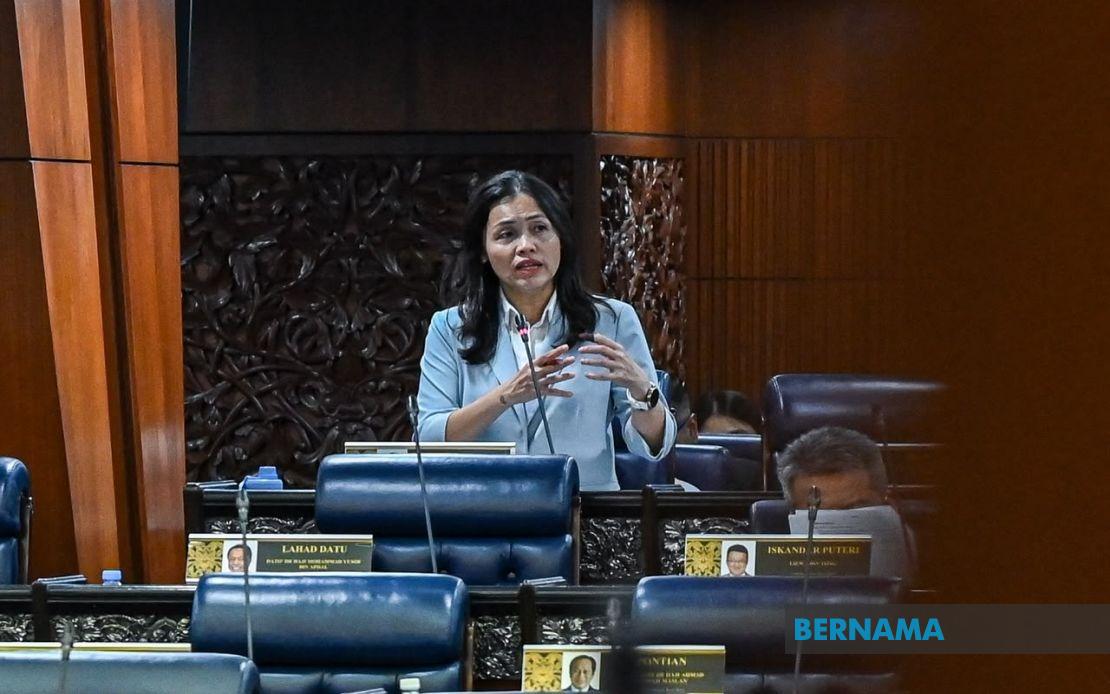
Parliament has endorsed a revised framework for Malaysia's communications sector, approving amendments to the Communications and Multimedia Act designed to fortify the nation's digital infrastructure against emerging threats while safeguarding consumers from additional financial burdens. The legislative move, ratified by the Dewan Rakyat following debate among 18 members, represents a recalibration of the country's approach to regulating network services in an era marked by rapid technological evolution and heightened security concerns.
Deputy Communications Minister Teo Nie Ching articulated the government's rationale for the amendments, emphasising that the revisions address the shifting landscape of telecommunications regulation. As Malaysia becomes increasingly dependent on critical digital infrastructure for economic activity, service delivery, and emergency response, lawmakers recognised the necessity of embedding security considerations into the existing regulatory architecture. The amendment specifically targets the National Universal Service Provision initiative, a mechanism intended to ensure equitable access to communications services across the country's diverse geography and demographic profile.
A central concern animating the legislative effort is the vulnerability of Malaysia's communications ecosystem to contemporary threats. Geopolitical tensions, ranging from state-sponsored cyber operations to transnational organised crime networks targeting digital infrastructure, have prompted governments across Southeast Asia to fortify their regulatory frameworks. The amendment seeks to position Malaysia's approach within this regional context, strengthening the resilience and continuity of services that have become fundamental to governance, commerce, and daily life. By anchoring security measures within the universal service framework rather than creating parallel regulatory structures, the government aims to maintain regulatory coherence while addressing legitimate protective concerns.
The government has been at pains to assure stakeholders that the amendment will not impose unexpected costs on Malaysian households and businesses. Teo explicitly confirmed that the Universal Service Fund, which finances the initiative, draws its revenue exclusively from contributions mandated by existing licensee agreements under the statutory framework. This funding mechanism prevents the burden from shifting to end-users through higher service charges, addressing apprehensions that security enhancements typically translate into consumer price increases. The commitment reflects political awareness of Malaysian consumers' sensitivity to telecommunications costs, particularly in rural and lower-income communities where service affordability directly influences digital inclusion.
Parliamentary representatives raised several practical concerns during the bill's deliberation, reflecting the complex relationship between security objectives and development priorities. Datuk Suhaimi Nasir, representing the Sabah constituency of Libaran, highlighted the persistent challenge of communications coverage in Malaysia's more remote regions. He argued that the amendment's implementation must not inadvertently disadvantage the infrastructure expansion programmes serving interior, coastal, and island communities. His intervention underscored a genuine tension within development policy: balancing the imperative to extend network access to previously underserved populations with the need to ensure that systems serving these areas meet contemporary security standards.
Another parliamentary concern centred on the administrative apparatus supporting the universal service framework. Datuk Mohd Suhaimi Abdullah raised questions about the current financial position of the Universal Service Fund and the government's intended utilisation of accumulated resources. His intervention suggested unease about potential reallocation of funds away from rural infrastructure development toward security-focused expenditures. This apprehension reflects broader debates within Malaysia's development community regarding resource allocation between connectivity expansion and network hardening—both essential but often competing priorities within constrained budgets.
Cybersecurity capacity emerged as a cross-cutting theme throughout parliamentary discussion. Datuk Shahelmey Yahya advocated for a more sophisticated approach to public awareness regarding digital threats, proposing that the Malaysian Communications and Multimedia Commission regularly gazette information about evolving forms of digital manipulation. His recommendation acknowledges that security is not merely a technical challenge managed by regulators and network operators, but a shared responsibility requiring informed participation from businesses and individuals. Yahya additionally called for strengthened in-house expertise at the MCMC, suggesting that Malaysia's regulatory capacity in cybersecurity may require institutional development to match the sophistication of contemporary threat landscapes.
The amendment's confined scope merits particular attention for regional observers. Deputy Minister Teo explicitly characterised the revision as neither expanding nor redefining the Communications and Multimedia Act's jurisdictional reach. Instead, the amendment operates within the existing communications and multimedia framework, focusing specifically on universal service provision mechanisms and the network facilities and services necessary to implement them. This measured approach avoids the regulatory mission creep that might otherwise result from security-motivated legislative changes, maintaining institutional boundaries while addressing legitimate protective objectives. The articulation suggests careful drafting intended to withstand constitutional scrutiny and preserve the institutional competencies of other government agencies.
For Malaysia and Southeast Asia more broadly, this legislative moment illuminates the evolving challenge of balancing security imperatives with regulatory efficiency and consumer protection. The region confronts intensifying pressures to harden critical infrastructure against state and non-state actors, yet must do so within frameworks that remain proportionate and prevent regulatory overreach. Malaysia's approach—embedding security into existing universal service mechanisms rather than creating new oversight structures—offers a model worthy of regional attention. Whether this framework proves adequate to emerging threats, and whether it succeeds in achieving security objectives without compromising service affordability or infrastructure development, will provide important lessons as other Southeast Asian governments grapple with similar tensions.
Implementation will determine the amendment's ultimate significance. The integration of security elements into universal service provision depends upon effective coordination between the MCMC, network operators, and security agencies, as well as adequate resourcing to strengthen regulatory capacity. Parliament's apparent confidence in proceeding without imposing direct consumer charges suggests faith in the efficiency of the existing licensee-financed mechanism. However, actualising this ambition requires that the MCMC and affiliated bodies possess sufficient expertise and resources to assess security risks, mandate appropriate protective measures, and monitor compliance across Malaysia's increasingly complex communications ecosystem. The coming months will test whether this legislative framework translates into tangible improvements in network security and resilience, or whether additional interventions will prove necessary as the technological and threat landscapes continue their rapid evolution.

