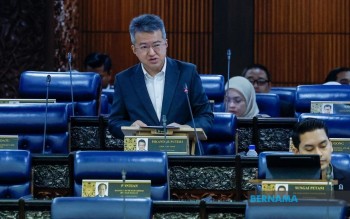
The Dewan Rakyat has endorsed the National Trust Fund (KWAN) Bill 2026, marking a significant legislative milestone for Malaysia's long-term savings mechanism. Deputy Finance Minister Liew Chin Tong piloted the bill through parliament on July 16, securing approval following substantive debate involving 15 Members of Parliament. The legislation represents a fundamental restructuring of how Malaysia manages and deploys its intergenerational savings, moving from a discretionary framework to one underpinned by statutory obligations and parliamentary oversight.
The timing of this legislative reform reflects growing recognition that Malaysia's approach to sovereign wealth accumulation requires modernisation. The fund currently holds RM22.43 billion in assets as of end-2024, with Petronas having contributed RM13.5 billion since the fund's inception in 1988—a near four-decade relationship as the sole meaningful voluntary contributor. This concentrated contribution base exposed vulnerabilities in the existing structure, particularly during the high-profile RM5 billion withdrawal in 2021, which sparked public discourse about the fund's purpose and sustainability.
Under the new framework, the bill introduces a mandatory contribution rate of 0.1 per cent, establishing a statutory minimum that transcends electoral cycles and changes in government. This represents a crucial institutional safeguard, ensuring that intergenerational wealth accumulation remains insulated from short-term fiscal pressures or political expediency. The decision to anchor the rate in legislation rather than administrative decree signals parliament's commitment to preserving the fund's integrity across successive administrations—a recognition that Malaysia's long-term prosperity requires investment mechanisms that survive partisan transitions.
The legislative architecture incorporates enhanced withdrawal discipline, directly addressing the 2021 episode that prompted scrutiny of the fund's operational guidelines. Previously, withdrawals occurred without statutory limits or clear parameters, creating ambiguity about permissible use cases and decision-making criteria. The new bill imposes structural constraints on disbursement patterns, requiring that withdrawals align with the fund's foundational purpose rather than serving immediate budgetary convenience. This shift from discretionary to disciplined access reflects international best practice among sovereign wealth funds, where preservation of capital and clarity of purpose form cornerstones of credibility.
Liew emphasised that any future adjustment to the contribution rate requires fresh parliamentary legislation—a procedural safeguard that elevates the threshold for modification. This requirement ensures that governments seeking to alter the fund's financial obligations must publicly justify such changes and secure legislative consensus, rather than executing changes through ministerial fiat. For Malaysian citizens and investors assessing government commitment to long-term fiscal responsibility, this transparency mechanism strengthens confidence that the fund will not become a victim of cyclical budgetary opportunism.
The governance improvements embedded in the bill address institutional accountability that was previously underspecified. Modern sovereign wealth funds operate under clear mandates, transparent reporting structures, and defined stakeholder responsibilities. Malaysia's reformed KWAN now aligns with these international standards, providing clarity about asset management, investment strategy, and performance evaluation. These governance enhancements matter not merely for administrative tidiness but for maintaining public trust in an institution managing capital ostensibly designated for future generations.
For Malaysian taxpayers and younger cohorts whose consumption and investment opportunities will be shaped by today's intergenerational savings decisions, this legislation carries profound implications. The RM22.43 billion foundation, though substantial, remains modest relative to Malaysia's long-term financing needs—healthcare, education, and infrastructure demands will intensify as population ageing accelerates. The new statutory contribution mechanism ensures that this base accumulates more reliably, though the 0.1 per cent rate invites scrutiny about whether it adequately reflects Malaysia's savings priorities relative to competing fiscal claims.
The bill's passage also signals evolving parliamentary confidence in structured long-term planning, contrasting with some prior administrations' preference for discretionary approaches to public finance. This shift reflects broader international trends toward institutionalising economic commitments, reducing discretion, and embedding policy objectives in law rather than administrative practice. For Southeast Asian peers monitoring Malaysia's institutional development, the KWAN reform exemplifies how democracies can strengthen fiscal discipline while respecting electoral cycles.
Petronas' historical role as the sole substantial contributor merits closer examination moving forward. The new statutory framework opens pathways for diversified contribution sources—government revenue allocations, other state enterprises, or hypothetical resource revenues could feed into the fund under clearer rules. Whether successive governments will expand contributor diversity remains uncertain, but the legislative foundation now permits such evolution without requiring fresh parliamentary authorisation for operational mechanics.
The bill's passage represents incremental but meaningful institutional progress on Malaysia's fiscal sustainability agenda. Rather than creating new revenue sources or generating immediate budgetary relief, it reinforces the architecture through which Malaysia can accumulate and deploy capital deliberately rather than reactively. In an era of demographic transition and fiscal pressures, such institutional reforms—though less headline-generating than spending announcements—carry lasting significance for national resilience and intergenerational equity.

