%22%2F%3E%3C%2Fpattern%3E%3C%2Fdefs%3E%3Crect%20width%3D%22100%25%22%20height%3D%22100%25%22%20fill%3D%22url(%23ph3gn87g)%22%2F%3E%3Crect%20width%3D%22100%25%22%20height%3D%22100%25%22%20fill%3D%22url(%23ph3gn87p)%22%2F%3E%3Ctext%20x%3D%2250%25%22%20y%3D%2250%25%22%20text-anchor%3D%22middle%22%20dominant-baseline%3D%22central%22%20fill%3D%22rgba(255%2C255%2C255%2C0.95)%22%20font-family%3D%22Georgia%2C%20'Times%20New%20Roman'%2C%20serif%22%20font-weight%3D%22700%22%20font-size%3D%22226%22%20letter-spacing%3D%22-0.02em%22%3EDiesel%3C%2Ftext%3E%3C%2Fsvg%3E)
The MADANI Government is moving forward with a reduction in subsidised diesel pricing to RM2.10 per litre beginning in July, a development that authorities argue demonstrates tangible progress in the administration's broader economic restructuring agenda. Datuk Mustapha Sakmud, who holds the Minister in the Prime Minister's Department portfolio overseeing Sabah and Sarawak, characterised the price adjustment as concrete evidence that policy reforms aimed at delivering targeted relief to ordinary Malaysians are yielding measurable outcomes.
Central to this initiative is the implementation of a geographically calibrated subsidy framework that harnesses MyKad identification verification to ensure assistance reaches intended beneficiaries. According to government officials, this mechanism addresses longstanding vulnerabilities in Malaysia's subsidy architecture that have permitted significant leakage through smuggling networks and unauthorised cross-border fuel trafficking. By conditioning subsidy access on digital identity confirmation, policymakers contend that the new approach creates accountability while preserving the social safety net for eligible citizens.
The timing of this reduction carries particular significance given contemporary global dynamics. Mustapha emphasised that Malaysia's decision to adjust fuel pricing occurs within a context of persistent geopolitical instability, particularly concerning developments in West Asia that continue to roil international energy markets. The minister argued that such uncertainties necessitate a fundamentally more disciplined approach to energy security planning, requiring governments to balance domestic welfare considerations against the imperative of safeguarding long-term supply continuity and economic resilience.
In response to these challenges, Malaysia has been actively broadening its energy partnerships and diplomatic engagement with major hydrocarbon-producing states. The MADANI Government has prioritised strengthening bilateral cooperation with nations including Russia and Turkmenistan, initiatives designed to diversify supply sources and reduce vulnerability to market shocks originating from any single region. These diplomatic efforts, according to ministerial statements, reflect a commitment to anchoring Malaysia's energy security through strategic relationships with established energy powers capable of providing reliable, steady-state supply guarantees.
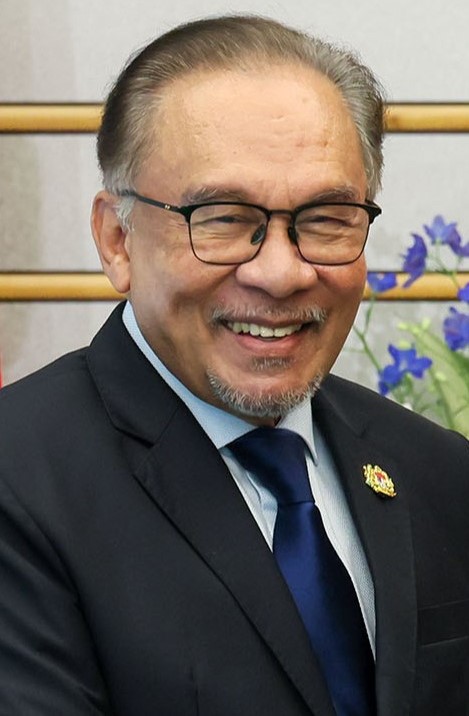
The diesel price reduction also serves as an indicator of what the administration characterises as Prime Minister Datuk Seri Anwar Ibrahim's administrative proficiency in steering the national economy through turbulent conditions. By restructuring subsidy mechanisms and implementing efficiency measures, the government argues it has created fiscal space to reduce the living cost pressures experienced by Malaysian households. These economic reforms, proponents suggest, represent a departure from previous approaches and demonstrate the administration's capacity to simultaneously pursue fiscal discipline while maintaining protective measures for lower-income populations.
Prime Minister Anwar announced the July diesel price adjustment in alignment with the existing BUDI MADANI RON95 (BUDI95) scheme, which similarly employs MyKad-based verification to deliver subsidised petrol pricing to Malaysian citizens. This consistency in methodology across multiple fuel categories creates a coherent policy framework wherein targeted identity-based subsidy allocation becomes the operational standard rather than an exceptional arrangement. Such standardisation potentially facilitates public understanding and administrative execution of subsidy programmes across the energy sector.
The price differentiation across Malaysia's geography underscores the nuanced nature of current fuel pricing architecture. Residents in Sabah and Sarawak currently access diesel at the subsidised rate of RM2.15 per litre, a figure that will decline further to RM2.10 per litre under the announced adjustment. By contrast, consumers in Peninsular Malaysia procure diesel at the unsubsidised market rate of RM4.37 per litre, reflecting the distinct subsidy regimes applied to Malaysia's different regions. The upcoming change thus narrows the regional differential, potentially influencing fuel distribution patterns and logistical economics across the country.
For Malaysian businesses engaged in transport, agriculture, and industrial operations, the implications of cheaper diesel extend beyond simple cost accounting. Lower fuel expenses translate into reduced operational outlays for logistics firms, construction companies, and agricultural enterprises, potentially creating downstream effects on consumer pricing and sectoral competitiveness. Small and medium-sized operators, particularly those operating on thin margins, may experience meaningful relief from reduced input costs, though the extent of cost-passing to consumers depends on market conditions and competitive pressures within individual industries.
The subsidy reduction announcement also carries implications for Southeast Asian energy and economic policy discussions. Malaysia's approach of combining targeted identity-based subsidy mechanisms with strategic energy diplomacy presents a potential model for neighbouring economies grappling with similar challenges of fiscal sustainability, energy security, and cost-of-living management. Regional observers will likely scrutinise whether this methodology successfully achieves its stated objectives of reducing subsidy leakage while maintaining affordable fuel access for lower-income groups.
From a fiscal management perspective, the government's ability to implement price reductions while maintaining subsidy programmes demonstrates either increased revenue generation through other channels or improved subsidy programme efficiency. The emphasis on leak reduction through technological verification suggests that cost savings derived from reduced smuggling and cross-border fuel diversion have created budgetary flexibility. This dynamic illustrates how addressing systemic inefficiencies in subsidy delivery can paradoxically enable expanded consumer benefit at lower overall government expenditure.
The diesel price adjustment also reflects broader shifts in how the MADANI administration conceptualises the relationship between economic reform and social protection. Rather than treating these objectives as inherently contradictory, policymakers have attempted to reconcile fiscal consolidation with welfare considerations through mechanism design that targets assistance more precisely. This philosophical approach, if sustained and extended across multiple policy domains, could meaningfully reshape Malaysia's social contract and the operational framework within which government economic policy functions.