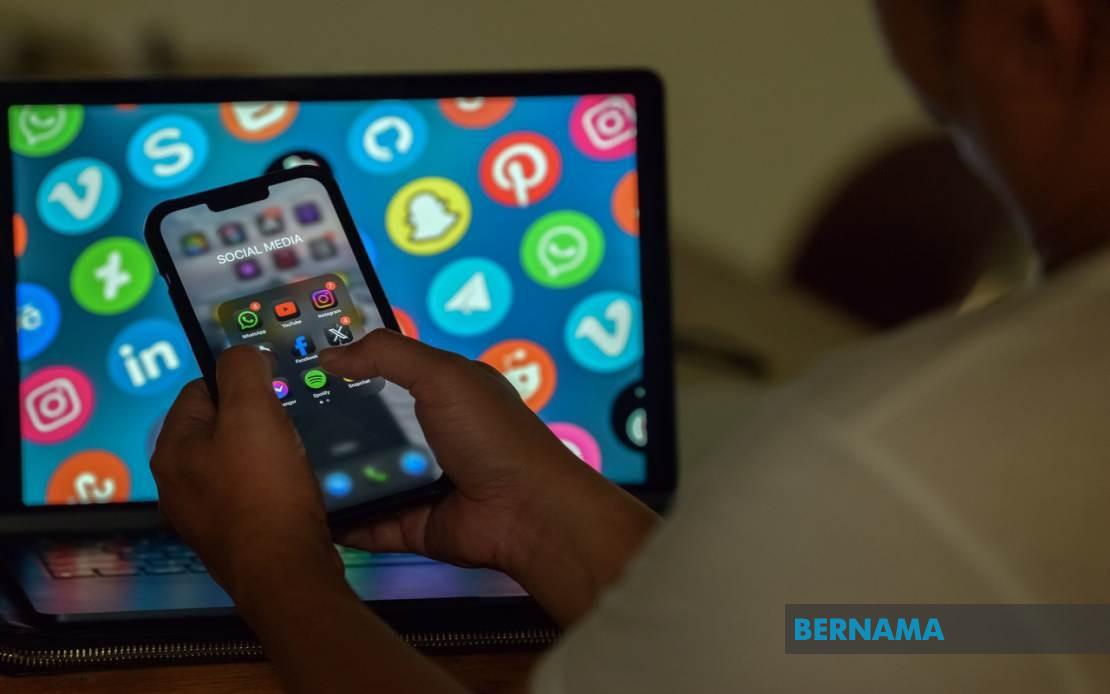
The race for Negeri Sembilan's state assembly is being fought increasingly on digital battlegrounds rather than at traditional campaign rallies. With voting set for August 1, candidates across the major political coalitions—Pakatan Harapan, Barisan Nasional and Perikatan Nasional—have made social media integral to their election strategy, moving well beyond conventional door-to-door outreach and printed campaign materials.
This digital pivot reflects a fundamental shift in how Malaysian politicians engage with the state's 889,490 registered voters. Rather than relying solely on physical gatherings and speeches, candidates are now crafting platform-specific content designed to resonate with voters across different life stages. The approach recognises that no single social media channel can effectively reach the entire electorate, forcing campaigners to maintain active, distinct presences across multiple channels simultaneously.
The generational fragmentation of the electorate drives much of this strategy. Older voters, including those from the Baby Boomer and Generation X cohorts, remain most active on Facebook and YouTube, where they consume longer-form content and news updates. Middle-aged voters and Millennials similarly gravitate towards these platforms, creating a natural audience for candidates seeking to build broad-based support. Meanwhile, Generation Z voters—a critical emerging demographic—have demonstrated a clear preference for TikTok, Instagram Reels and Threads, pushing campaigns to invest in short-form video content that would have seemed frivolous to political strategists just five years ago.
Candidates have responded by fundamentally reimagining their campaign messaging. Rather than delivering comprehensive policy speeches, they now create Point of View clips using trending audio, share behind-the-scenes footage showing their daily lives, and produce infographics that distil complex manifestos into shareable snippets. This content strategy serves a dual purpose: it increases the likelihood that younger, digitally-native voters will engage with campaign material in formats they naturally consume, while simultaneously building a more intimate, humanised image of candidates. The approach has proven particularly effective at reaching undecided voters who might otherwise ignore traditional campaign activities.
Among prominent examples, Pakatan Harapan's Linggi candidate Datuk Seri Aminuddin Harun, who also serves as menteri besar, has built his digital presence around daily vignettes of community engagement—photographing himself performing dawn prayers, sharing breakfast with residents, and riding through constituencies on a motorcycle. This narrative of constant, visible service represents a deliberate departure from formal political communication, instead positioning leadership as something demonstrated through consistent presence rather than asserted through speeches. His messaging emphasises continuity and institutional competence, appealing to voters concerned primarily with stable governance.
Similar engagement patterns emerge across other major candidates. Ahmad Shahir Mohd Shah, the PH candidate for Paroi and widely known as Ustaz Shahir, has leveraged social media to articulate his vision for transforming the constituency into a competitive, economically prosperous area. Dr Azizul Hakim Mahdi, contesting the Rantau seat for PH, has combined campaign content with practical community service by offering free health screenings for senior citizens—a strategy that generates both goodwill and shareable social media moments simultaneously.
Barisan Nasional candidates have adopted comparable approaches. Datuk Seri Mohamad Hasan in Rantau and Datuk Seri Jalaluddin Alias in Pertang have both invested heavily in social media visibility, using these channels to demonstrate their campaign momentum and responsiveness to voter concerns. By showcasing their campaign activities through regular posts and updates, these candidates attempt to maintain competitive parity with better-resourced opponents while building impression of widespread grassroots support.
Perikatan Nasional and smaller parties represented in the election—including Parti Pribumi Bersatu Malaysia, Parti Orang Asli Malaysia, Parti Sosialis Malaysia and Barisan Jemaah Islamiah Se-Malaysia—have similarly recognised that digital presence is now essential to electoral viability. Even candidates with limited campaign budgets can establish credible online identities through consistent, authentic social media engagement, reducing the traditional advantages enjoyed by well-funded major parties. Independent candidates have capitalised on this democratisation of campaign reach, using social media to build personalised followings that might not translate into sufficient votes but demonstrate that electoral competition now extends beyond traditional party structures.
The sophistication of Negeri Sembilan's digital campaigning reflects broader trends reshaping Malaysian politics. As voter demographics shift towards younger cohorts with deeper digital literacy, and as internet penetration continues to deepen across the country, candidates who fail to master multi-platform content creation risk becoming electorally irrelevant. The August 1 Negeri Sembilan election serves as a barometer for how thoroughly social media has penetrated Malaysian electoral politics, suggesting that future campaigns will invest even more heavily in platform-specific strategies while continuing to maintain traditional ground operations.
The timing of Negeri Sembilan's election—with early voting on July 28—creates compressed windows for campaigns to optimise their social media reach. This urgency has incentivised increasingly sophisticated real-time content strategies, where campaigns monitor trending topics and voter sentiment to inject timely, relevant messaging into broader online conversations. The result is an election campaign that unfolds simultaneously across dozens of different digital spaces, each with its own audience, language norms and engagement patterns, making Negeri Sembilan's August 1 polls a significant indicator of how electoral politics will function in a digitally fragmented media environment.

