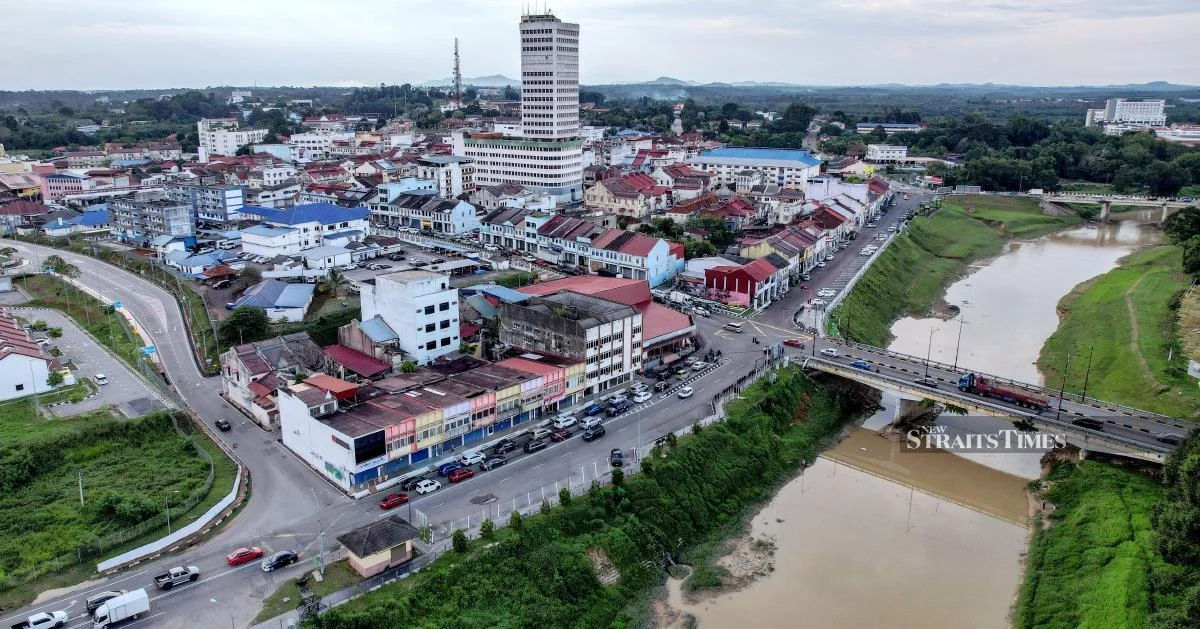
Datuk Fahmi Fadzil, Malaysia's Communications Minister, has sounded an alarm about the escalating threat of digital manipulation tactics targeting voters in the Johor state elections, highlighting a concerning trend where bad actors have attempted to fabricate online identities using the likenesses of legitimate political candidates. Speaking in Muar, Fahmi drew public attention to instances in which unauthorised accounts were established across social media platforms, deliberately mimicking real candidates to lend credibility to false narratives and misleading campaign messages meant to confuse and sway the electorate.
The emergence of these fraudulent accounts underscores a critical vulnerability in how democratic processes intersect with digital technology in Malaysia. Election campaigns increasingly depend on social media engagement, making them attractive targets for coordinated disinformation efforts that exploit the speed and reach of online platforms. When voters struggle to distinguish authentic candidate communications from impostor accounts, their ability to make informed electoral choices becomes compromised, threatening the integrity of democratic participation itself.
This phenomenon is not unique to Johor or Malaysia. Across Southeast Asia and globally, election campaigns have become battlegrounds where technology facilitates rapid spread of false information. Hostile actors—whether domestic rivals, foreign interests, or opportunistic fraudsters—recognise that fabricated accounts require minimal investment yet can generate substantial confusion and erosion of public trust. The apparent ease with which criminals have created these imposter profiles suggests significant gaps in platform verification mechanisms and enforcement of community standards during high-stakes political moments.
Fahmi's intervention reflects growing recognition within Malaysian government circles that cybersecurity and digital integrity must become explicit components of election administration. Unlike traditional campaign tactics, digital sabotage operates across multiple platforms simultaneously, reaching millions instantaneously, and often evades immediate detection. The transient nature of online content—posts that vanish within hours—makes forensic investigation difficult and allows misinformation to seed doubt long after deletion.
Voters in Johor face a particularly complex information environment where distinguishing genuine candidate communications from fabricated alternatives demands heightened critical thinking. The proliferation of similar-looking accounts, near-identical profile images, and mimicked names can fool even digitally savvy citizens. Elderly voters, who represent a significant demographic in Malaysian elections, may be especially vulnerable to such manipulation, having less familiarity with the subtle visual cues distinguishing legitimate accounts from counterfeits.
The warning carries implications for how Malaysia's electoral institutions might adapt their regulatory frameworks. Current laws and enforcement mechanisms were largely designed for traditional media environments where accountability chains—from broadcaster to advertiser to content source—were comparatively clear. Digital ecosystems present novel challenges because accounts can be created anonymously, operated through proxy systems, and deleted rapidly, complicating attribution and prosecution. Fahmi's public alert suggests the government recognises that legal frameworks alone may prove insufficient without complementary public education and platform-level enforcement.
Social media companies operating in Malaysia have a responsibility to implement robust verification systems for accounts belonging to political figures and candidates. During election periods, heightened verification protocols—such as displaying official badges or verification marks—should become standard practice. Additionally, platforms must accelerate their response times to reports of impersonation, particularly when such accounts spread election-related content. The current speed of platform responses to false reports often proves inadequate for the temporal urgency of election campaigns, where misinformation can inflame voter sentiment before correction mechanisms take effect.
Candidates themselves bear responsibility for educating their supporters about which accounts are officially theirs. Prominent placement of verified account links on campaign websites, direct outreach through SMS or email to registered supporters, and explicit warnings about fake accounts can reduce the likelihood that voters fall victim to impersonation. Political parties might also establish rapid-response teams to identify and report fraudulent accounts, working in coordination with platforms and potentially law enforcement.
The Johor elections occur in a regional context where digital election interference has become increasingly sophisticated. Indonesia, Thailand, and the Philippines have all documented evidence of coordinated fake account networks deployed during recent electoral contests. Malaysian authorities would be prudent to study these cases and learn from the countermeasures attempted elsewhere. What works in addressing digital sabotage in one democracy may be adapted to Malaysia's specific context, providing roadmaps for strengthening electoral resilience.
Fahmi's warning also signals an opportunity for broader public digital literacy initiatives. Rather than merely reacting to detected misinformation, Malaysian institutions could invest in teaching voters how to verify account authenticity, cross-reference information across multiple sources, and recognise manipulation techniques. Such capacity-building, undertaken outside the urgency of election campaigns, would create a more resilient electorate less susceptible to future attempts at digital deception.
As Johor voters head to the polls, they should treat unverified social media content with healthy scepticism, particularly claims attributed to candidates that seem out of character or inflammatory in tone. Consulting official campaign websites, contacting candidate offices directly, and relying on established news organisations for candidate information provides safer alternatives to assuming social media content is authentic. The broader lesson extends beyond this election: in an age where digital tools shape political discourse, vigilance against technological manipulation must become second nature to engaged citizens.
The challenge ahead requires coordination among multiple stakeholders—government agencies, social media platforms, electoral commissions, political parties, and most importantly, voters themselves. Only through such comprehensive effort can Malaysia's democratic processes be adequately protected against the increasingly sophisticated tactics of digital sabotage.

