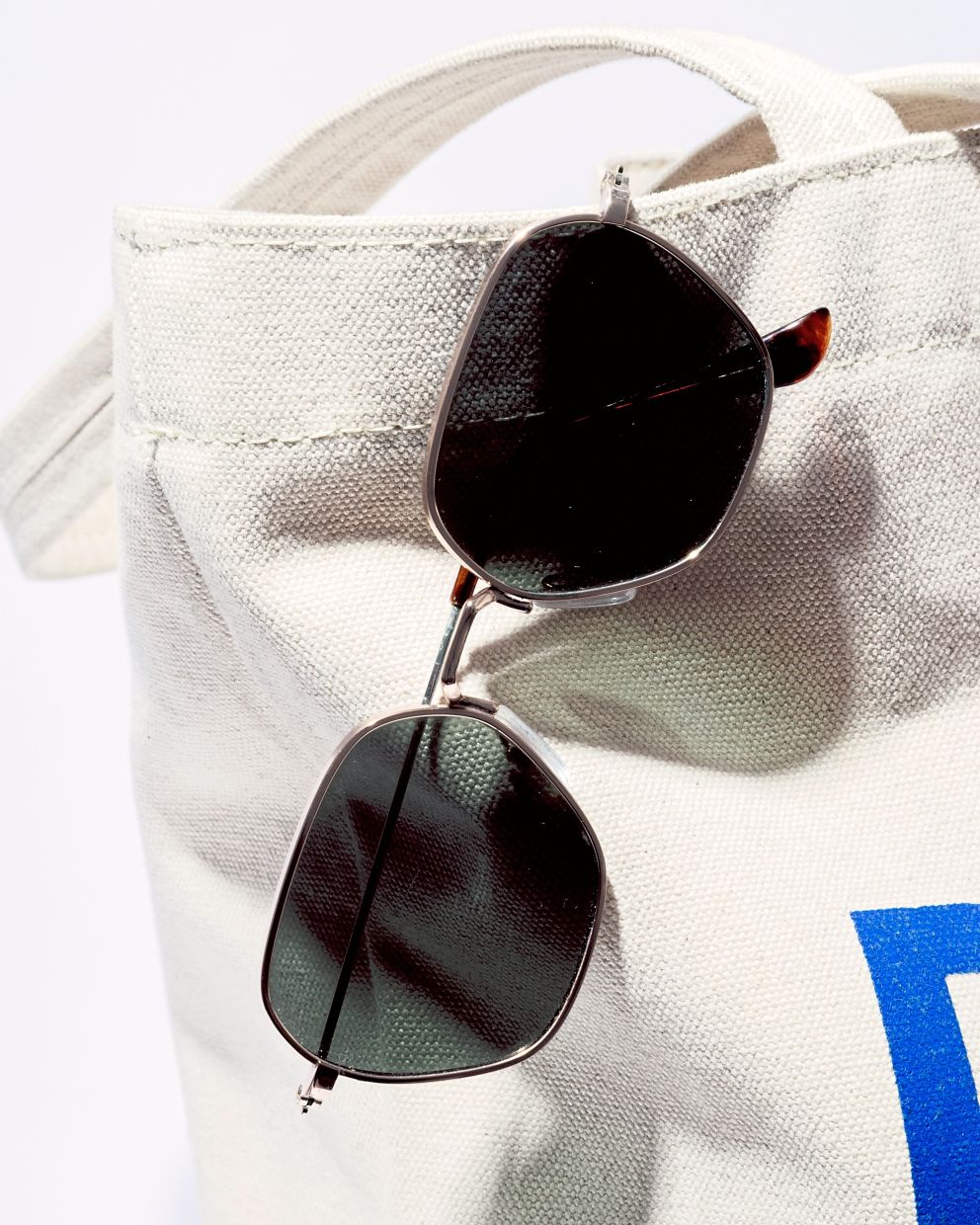
The question of whether sunglasses are an essential daily accessory or merely a fashion statement has a straightforward answer from medical professionals: protecting your eyes from solar radiation is not optional. Experts across the ophthalmology field agree that the sun's ultraviolet rays present documented risks to eye health, though the specific circumstances requiring protection can vary from person to person.
Sunlight contains three distinct types of ultraviolet radiation—UVA, UVB, and UVC—though only the first two penetrate Earth's atmosphere to reach our eyes. Of these, UVB radiation poses the more significant threat to ocular tissue, yet both forms remain present regardless of cloud cover and can contribute to serious eye conditions. The cumulative effects of UV exposure occur silently and progressively, making prevention particularly important in tropical regions like Malaysia where equatorial sun intensity is substantially higher than in temperate zones.
One of the most common UV-related eye conditions is cataract formation, where proteins accumulate and cloud the lens. While cataracts develop naturally with age, ultraviolet exposure accelerates their onset significantly. Additionally, prolonged UV exposure worsens age-related macular degeneration, a progressive disease affecting central vision that can eventually lead to functional blindness. For those living in Malaysia's consistently intense sunlight, this risk accumulates across years of outdoor activity and daily commuting.
Beyond these internal eye conditions, UV radiation triggers two distinct types of growths on the ocular surface. Pinguecula appears as a small yellow bump on the white of the eye and typically causes minor discomfort without affecting vision. Pterygium, however, represents a more serious concern as it grows directly into the cornea, potentially compromising vision and occasionally requiring surgical intervention. These conditions, while cosmetically noticeable, develop through the same gradual UV accumulation pattern common in countries near the equator.
The delicate skin surrounding the eyes deserves equal attention, as this area harbours particular vulnerability to malignancy. Between five and ten percent of all skin cancers in developed nations occur on the eyelids, a proportion that likely increases in regions with higher ambient UV levels. Because the eye area contains virtually every cell type found in the body, each possesses the potential to undergo cancerous mutation when subjected to excessive ultraviolet radiation. This risk extends beyond the eyeball itself to encompass a notably fragile zone that many people neglect when applying sun protection.
For individuals already wearing prescription eyeglasses, the decision whether to invest in a separate pair of sunglasses becomes more nuanced. Modern prescription lenses, typically manufactured from polycarbonate, incorporate UV protection as a standard feature. Many clear lenses offer protection comparable to darkly tinted ones, and non-polycarbonate options routinely receive protective coatings. Those uncertain whether their existing prescription frames include this safeguard can visit optical shops for verification testing. This reality suggests that some wearers may already possess adequate eye protection without purchasing dedicated sunglasses.
However, relying solely on prescription eyeglasses presents limitations, particularly for those spending extended periods outdoors. The physical frame covers only a portion of the eye area, allowing UV rays to approach from peripheral angles and potentially reach the ocular surface. Bright sunlight also triggers the body's natural squinting response, a mechanism that may provide momentary comfort but contributes to wrinkle formation around the eyes through repeated muscular contraction. This aesthetic concern complements the medical rationale for supplementary protection during outdoor activities.
When shopping for sunglasses or verifying protection on existing spectacles, consumers should specifically search for labelling indicating "UV400" or "100% UVA/UVB protection," terms that essentially guarantee the lenses block between 99 and 100 percent of ultraviolet light. In regulated markets like the United States, such claims carry legal force and face Food and Drug Administration oversight. In Southeast Asian markets, however, consumer vigilance becomes more critical, particularly regarding inexpensive sunglasses sold at tourist destinations or informal retailers. Extremely low-priced frames lacking authentic UV protection can paradoxically accelerate damage by forcing pupils to dilate in response to darkened lenses, thereby allowing unfiltered ultraviolet radiation to penetrate directly into the eye.
For Malaysian readers living under intense tropical sun, a comprehensive eye protection strategy extends beyond eyewear alone. Medical professionals recommend combining any glasses—prescription or sunglass—with additional measures including wide-brimmed hats and facial sunscreen, especially during prolonged outdoor exposure. This layered approach proves particularly relevant for outdoor workers, school children, and those engaging in recreational activities like beach visits or hiking, all common pastimes in the region.
The discomfort of carrying multiple eyewear options need not deter those with prescription lenses, though the inconvenience is understandable. Unless sunlight creates specific eye irritation, the bright light itself does not directly increase cancer risk or growth formation; however, excessive illumination does produce uncomfortable side effects including eye fatigue, dryness, headaches, and visual strain. These symptoms, particularly pronounced in Malaysia's intense equatorial environment, can significantly impact daily productivity and comfort levels. Tinted lenses address these subjective experiences by reducing visible light transmission, providing relief even when UV protection alone might theoretically suffice.
Ultimately, the decision regarding daily sunglasses usage becomes a personal calculation balancing convenience against documented health benefits. Protecting eyes from UV exposure requires consistent vigilance rather than sporadic effort, making habitual sunglasses use—whether through prescription frames with built-in protection or dedicated sunglasses—a more practical approach than attempting to assess individual risk daily. For residents of Malaysia and other tropical regions, where solar radiation intensity exceeds that of temperate climates, establishing sunglasses as a standard accessory rather than an optional luxury offers the most straightforward path to long-term ocular health. The evidence supporting this practice remains clear: while our eyes require sunlight to function properly, they require protection from excessive ultraviolet radiation to remain healthy throughout our lifetimes.

