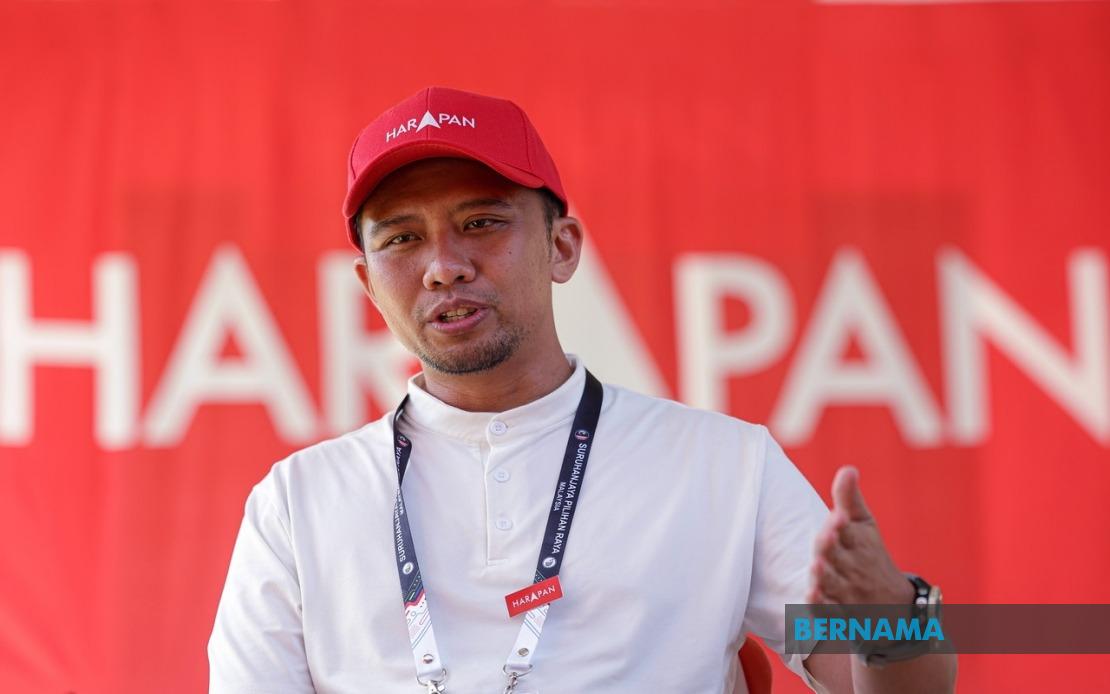
In an unconventional campaign approach blending medicine with politics, Dr Azizul Hakim Mahdi, the Pakatan Harapan candidate contesting the Rantau state seat in Negeri Sembilan, is traversing the constituency with both pamphlets and a stethoscope in hand. The 35-year-old private medical practitioner has made free health screenings a cornerstone of his engagement strategy with voters ahead of polling day on August 1, transforming traditional door-to-door campaigning into grassroots healthcare delivery.
The initiative reflects a growing trend among candidate politicians in Malaysia who leverage their professional expertise to address constituent concerns directly. Rather than limiting interactions to policy pledges and handshakes, Dr Azizul Hakim conducts basic medical examinations, reviews medication regimens, and helps elderly and chronically ill residents maintain their hospital appointments. This approach resonates particularly with older voters and vulnerable populations who may face accessibility barriers to regular healthcare services. His clinic in Senawang serves as the foundation for this mobile outreach, transforming campaign logistics into tangible community health infrastructure.
Dr Azizul Hakim's vision extends beyond election-cycle gestures. Should voters grant him the mandate to represent Rantau, he intends to scale the mobile medical unit initiative across all residential areas and villages within the constituency, systematically reaching underserved populations. This expansion proposal signals recognition that Rantau's approximately 34,831 voters encompass diverse healthcare needs that conventional public health facilities may not adequately address. The strategy addresses a persistent gap in Malaysia's healthcare accessibility, particularly in suburban and semi-rural constituencies where private clinic density remains lower than in urban centres.
Beyond healthcare, Dr Azizul Hakim has articulated a comprehensive development agenda tailored to Rantau's demographic composition. A significant pillar involves economic empowerment of younger residents through establishing a specialized industrial hub for Technical and Vocational Education and Training graduates. This cluster would facilitate entrepreneurship among TVET alumni by providing dedicated space for ventures such as automotive repair workshops and food processing businesses—sectors with demonstrated market viability in Negeri Sembilan's manufacturing economy. The proposal acknowledges that youth unemployment and underemployment remain structural challenges requiring targeted infrastructure investment rather than general economic stimulus.
The Sendayan area, a rapidly developing neighbourhood within the constituency, features prominently in his platform. Dr Azizul Hakim proposes constructing affordable housing specifically targeting second and third-generation Felda settlers, addressing housing affordability pressures in an area experiencing accelerated residential, commercial, and industrial expansion. This constituency-specific approach recognizes that Sendayan's growth trajectory has attracted migrant residents from across Negeri Sembilan seeking better living conditions, creating demand pressures that conventional housing supply struggles to accommodate. Targeting Felda beneficiaries directly acknowledges their historical entitlements while responding to contemporary affordability crises.
Transportation and urban infrastructure feature centrally in his development prospectus. Dr Azizul Hakim advocates deploying artificial intelligence-powered smart traffic light systems to alleviate congestion, particularly in growth corridors experiencing rapid vehicular volume increases. This technological intervention reflects broader Malaysian policy interest in deploying digital solutions to long-standing infrastructure challenges. Simultaneously, he commits to strengthening public transport connectivity, recognizing that private vehicle dependency generates congestion while excluding lower-income residents from mobility opportunities. These interconnected transport proposals suggest understanding that constituency development requires systems-level thinking rather than isolated projects.
Educational infrastructure expansion also features in his platform, particularly pursuing Ministry of Education coordination to increase school capacity within Rantau. This priority directly addresses concerns articulated by Sendayan residents regarding inadequate educational facilities for the growing population. The emphasis on formal partnerships with federal education authorities rather than standalone constituency initiatives indicates recognition that education remains a concurrent responsibility requiring collaborative governance. This positioning contrasts with candidates who make unrealistic educational pledges exceeding state-level authority.
Dr Azizul Hakim faces a competitive contest against incumbent Datuk Seri Mohamad Hasan, the sitting Rantau representative who simultaneously holds the Foreign Minister portfolio and chairs Negeri Sembilan's Barisan Nasional division. Mohamad Hasan's dual federal and state responsibilities create a complex electoral dynamic, as Rantau voters must weigh continuity and established relationships against arguments for fresh representation. The incumbent's national security responsibilities may limit his capacity for constituency-focused attention, potentially advantaging a candidate presenting full-time local commitment.
Voter concerns documented during the campaign reveal nuanced priorities extending beyond Dr Azizul Hakim's formal platform. Rahman Hassan, a 76-year-old Armed Forces veteran, emphasizes affordable housing for Felda descendants within Sendayan, capturing how settlement patterns and generational economic mobility intersect with housing policy. His testimony highlights that development demands must recognize specific beneficiary groups rather than adopting blanket approaches. Similarly, Asilah Samad, a 37-year-old Sendayan resident, articulates interconnected infrastructure needs encompassing road widening, educational facilities including kindergartens, and public safety measures including street lighting and CCTV installation alongside security patrols. Her observations underscore that infrastructure development cannot proceed hierarchically—residents experience roads, schools, and safety as integrated systems requiring coordinated investment.
These voter articulations suggest the Rantau constituency exhibits infrastructure and service deficits characteristic of transition zones between established and rapidly expanding areas. Rapid development without corresponding public service expansion creates discrepancies between population growth and amenity provision, generating voter frustration regardless of political affiliation. Dr Azizul Hakim's platform appears responsive to these accumulated grievances, positioning healthcare accessibility, economic opportunity, housing affordability, and public services as an integrated development vision rather than disconnected campaign promises.
The election timeline concentrates voter decision-making within compressed timeframes. Early voting occurred on July 28, with main polling scheduled for August 1. This compressed schedule limits candidate capacity for sustained constituency engagement beyond campaign season, emphasizing the authenticity and feasibility of campaign commitments as voter evaluation criteria. Dr Azizul Hakim's ongoing health check-up initiative during the active campaign period provides voters with observable commitment to promised service delivery approaches, distinguishing his candidacy through demonstrated rather than merely pledged constituent engagement.
The Rantau contest occurs within the broader 16th Negeri Sembilan state election cycle, positioning this constituency contest as part of state-level competitive dynamics. The result will contribute to determining whether Negeri Sembilan maintains its current political configuration or shifts towards alternative coalitions, making even individual constituency races consequential for state governance structures. For Malaysian readers following state electoral developments, the Rantau competition exemplifies how constituent-focused platforms increasingly emphasize professional expertise and specific service delivery over abstract political ideology, reflecting voter demands for tangible governance improvements addressing daily life challenges.

