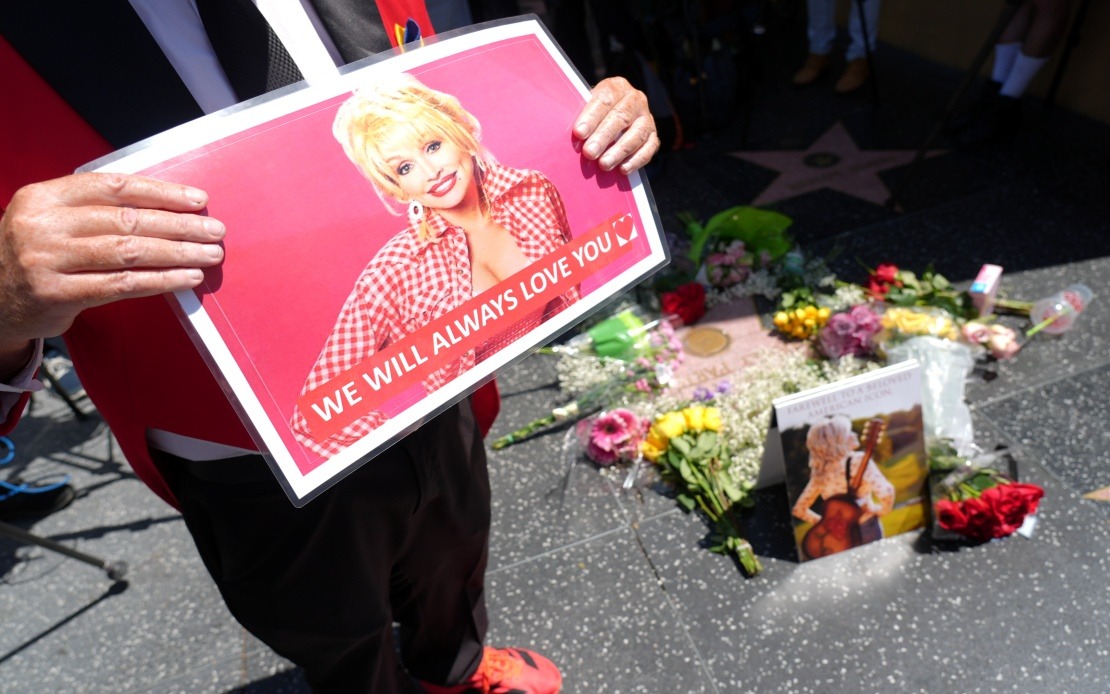
Dolly Parton, the iconic American country music legend whose remarkable influence shaped generations of artists and entertained millions worldwide, died at 80 on Tuesday. Her family confirmed the passing through a video statement posted on her social media accounts by her nephew Bryan Seaver, though no specific cause of death was disclosed. Parton's death marks the end of an extraordinary career that transcended music itself, establishing her as a cultural institution in American entertainment.
The Tennessee-born performer had increasingly faced health challenges in recent months, prompting her to withdraw from public commitments. Her planned Las Vegas residency was postponed, and she cancelled several scheduled appearances as she sought medical treatment. Just days before her death, Parton had communicated with her devoted fanbase, expressing optimism about her recovery and reporting positive responses to her ongoing medication and therapeutic interventions. Despite these setbacks, she remained engaged with supporters until the very end.
Born in Sevierville, Tennessee, in 1946, Parton emerged from humble beginnings in an economically disadvantaged family environment. Her early introduction to music proved formative—she was performing on local radio broadcasts by the time she turned ten years old, demonstrating exceptional talent at an unusually young age. By thirteen, she had already recorded her debut single, "Puppy Love," and made her professional debut at Nashville's prestigious Grand Ole Opry, establishing a foundation for what would become one of the most successful recording careers in entertainment history.
Her relocation to Nashville in 1964 represented a pivotal moment in her trajectory. Rather than immediately seeking stardom as a performer, Parton strategically built her reputation as a songwriter of remarkable versatility and emotional depth. Her compositions attracted attention from established artists who recognized the commercial and artistic merit of her work, gradually elevating her profile within the competitive music industry. This dual expertise in both performance and songwriting became a defining characteristic of her artistry throughout subsequent decades.
The period from 1967 to 1974 proved transformative when Parton joined Porter Wagoner's television variety programme as a regular performer. This consistent media exposure allowed her to cultivate a substantial fanbase and demonstrate her abilities across multiple genres and formats. The platform provided by this collaboration positioned her for transition to solo stardom while allowing her to develop her distinctive artistic voice and stage presence.
During the 1970s, Parton released a succession of defining compositions that would cement her legacy. "Jolene" and "I Will Always Love You" emerged as signature pieces, showcasing her distinctive vocal style and sophisticated songwriting. The latter track achieved unprecedented global recognition when R&B superstar Whitney Houston recorded her own rendition, which became a defining moment in both artists' careers and introduced Parton's composition to audiences who might never have encountered her original version. This adaptation demonstrated the universal appeal and enduring quality of her material.
Parton's creative ambitions extended significantly beyond the recording studio into film and television production. Her appearances in notable films including 9 to 5 and Steel Magnolias established her as a credible dramatic actress capable of compelling performances across comedic and serious genres. These ventures demonstrated that her talents and appeal transcended musical boundaries, positioning her among entertainers with genuine multidisciplinary capabilities.
Philanthropy became increasingly central to Parton's public identity and personal mission as her career progressed. Her founding and stewardship of the Imagination Library represented a substantial commitment to educational equity and childhood development. This initiative distributed free books to underserved children, addressing literacy gaps and expanding access to literature among economically disadvantaged populations. Her philanthropic contributions extended beyond individual projects to encompass broader community engagement and social responsibility initiatives.
The statistical dimensions of Parton's career achievements provide compelling evidence of her cultural and commercial impact. Across a recording career spanning more than sixty years, she accumulated more than 100 million record sales globally, a figure that places her among the most commercially successful recording artists of all time. Her receipt of eleven Grammy Awards and induction into both the Songwriters Hall of Fame and Rock and Roll Hall of Fame underscores the critical recognition of her artistic contributions and lasting influence on popular music.
For Malaysian and Southeast Asian audiences, Parton's passing represents the loss of an artist whose influence permeated global popular culture through multiple channels. Her music frequently appeared on regional radio stations and in films distributed throughout Asia, introducing international audiences to quintessential American country music traditions. Her humanitarian work through the Imagination Library and other charitable endeavours also resonated with international audiences who valued her commitment to education and child welfare.
The legacy Parton leaves encompasses not merely chart-topping recordings or acclaimed performances, but a comprehensive body of work that influenced how contemporary musicians approach songwriting, performance, and social engagement. Her demonstration that entertainers could simultaneously pursue artistic excellence, commercial success, and meaningful philanthropic work established a template that subsequent generations of artists have emulated. Her influence on country music remains profound, with contemporary performers consistently crediting her as a formative inspiration.
Parton's death concludes a chapter in American cultural history while her artistic contributions continue generating new audiences and reinvigorating interest among longtime devotees. The breadth of her impact—spanning music, film, television, literature, and humanitarian initiatives—ensures that her influence will continue shaping entertainment and cultural discourse across multiple generations and geographical regions. Her recognition across diverse mediums established her as a truly exceptional figure in twentieth and twenty-first century popular culture.

