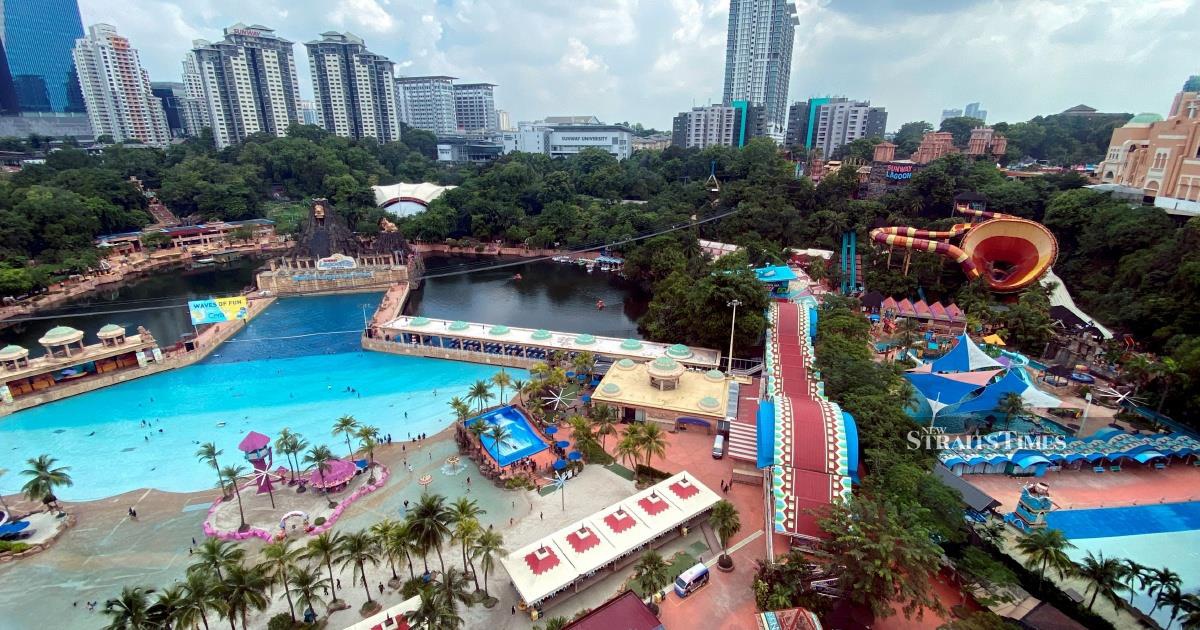
Malaysia's occupational safety watchdog has opened a forensic investigation into an incident involving a roller coaster at Sunway Lagoon, one of the country's premier entertainment destinations. The Department of Occupational Safety and Health, operating from its headquarters in Putrajaya, has begun examining the circumstances surrounding the occurrence as part of efforts to establish what transpired and identify contributing factors.
The deployment of forensic investigative resources underscores the seriousness with which authorities are treating the matter. Forensic investigation methodology typically involves detailed technical examination of equipment, operational logs, maintenance records, and physical evidence at the site. This approach allows investigators to reconstruct the sequence of events and determine whether safety protocols were adhered to and if equipment was functioning as intended.
Sunway Lagoon, located in Petaling Jaya near Kuala Lumpur, stands as one of Malaysia's most visited theme parks, drawing hundreds of thousands of domestic and international visitors annually. The facility operates multiple attractions across water park and amusement park sections, and maintains responsibility for visitor safety across all operational systems. Any incident at such a high-profile venue naturally draws significant public attention and regulatory scrutiny.
The investigation will likely examine several critical dimensions of theme park operations. These encompass the mechanical condition of the roller coaster itself, including structural integrity and moving components; the maintenance schedule and records demonstrating when inspections and servicing took place; the training and certification status of operational staff; and whether established safety procedures were followed during the relevant period. Investigators will also review whether the park held necessary permits and compliance certifications required under Malaysian workplace safety legislation.
For Malaysian consumers and families who frequent theme parks, such investigations provide reassurance that regulatory authorities possess investigative capacity and will act decisively when safety concerns arise. The incident highlights that amusement parks operate under significant regulatory oversight, and that breaches or failures can trigger formal probes. This is particularly important given Malaysia's growing theme park industry and increasing participation in recreational activities that involve mechanical attractions.
The incident also raises broader questions about preventative safety culture within the amusement entertainment sector. Well-managed parks implement rigorous maintenance regimes, employee training protocols, and visitor briefing procedures designed to prevent incidents before they occur. Investigations following incidents allow authorities and the industry to identify gaps in existing safeguards and implement corrective measures across the sector.
From a regulatory perspective, the DOSH investigation will determine whether any violations of the Occupational Safety and Health Act 1994 occurred, or whether operational standards fell short of established guidelines. Depending on findings, this could result in recommendations for enhanced procedures, enforcement action against responsible parties, or amendments to existing operational standards for similar attractions. Such outcomes often influence how other parks operate their facilities.
The timing and transparency of the investigation matter considerably for public confidence. When authorities conduct thorough, evidence-based inquiries into safety incidents and communicate findings clearly, visitor confidence in venue safety tends to stabilise. Conversely, perceived inadequacy in investigative effort or lack of transparency can undermine public trust in regulatory assurances. Malaysian theme park operators and safety authorities will be mindful that how this investigation is conducted and communicated could influence visitor behaviour and industry reputation.
Regional context also matters here. Other Southeast Asian countries have experienced theme park incidents that attracted significant media attention and regulatory responses. Malaysia's handling of this matter will be observed within the region as an indicator of how seriously the country's safety regulators approach amusement park oversight. This can influence tourism perceptions and investor confidence in Malaysia's commitment to visitor safety standards.
The investigation process itself may take several weeks or longer, depending on the complexity of the incident and the volume of technical evidence requiring analysis. Preliminary findings might emerge before a comprehensive final report is completed. During the investigation period, Sunway Lagoon may face restrictions on operating the affected attraction, which could have commercial implications but reflects prioritisation of safety assurance over immediate business continuity.
For other Malaysian amusement parks and attraction operators, this investigation serves as a reminder that adherence to safety standards is not merely advisory but subject to formal enforcement. Parks that maintain meticulous maintenance documentation, invest in staff training, and prioritise safety compliance over operational convenience are less likely to face investigative scrutiny. Those with marginal compliance records may face increased regulatory attention and potential enforcement actions.
The investigation also signals to Malaysian consumers that mechanisms exist to hold entertainment venues accountable for visitor safety. While such incidents are rare within Malaysia's amusement park sector, the fact that regulatory investigation follows occurrence demonstrates that safety is taken seriously at governmental level. This institutional response, regardless of specific findings, reinforces public expectations that operators must maintain high safety standards.

