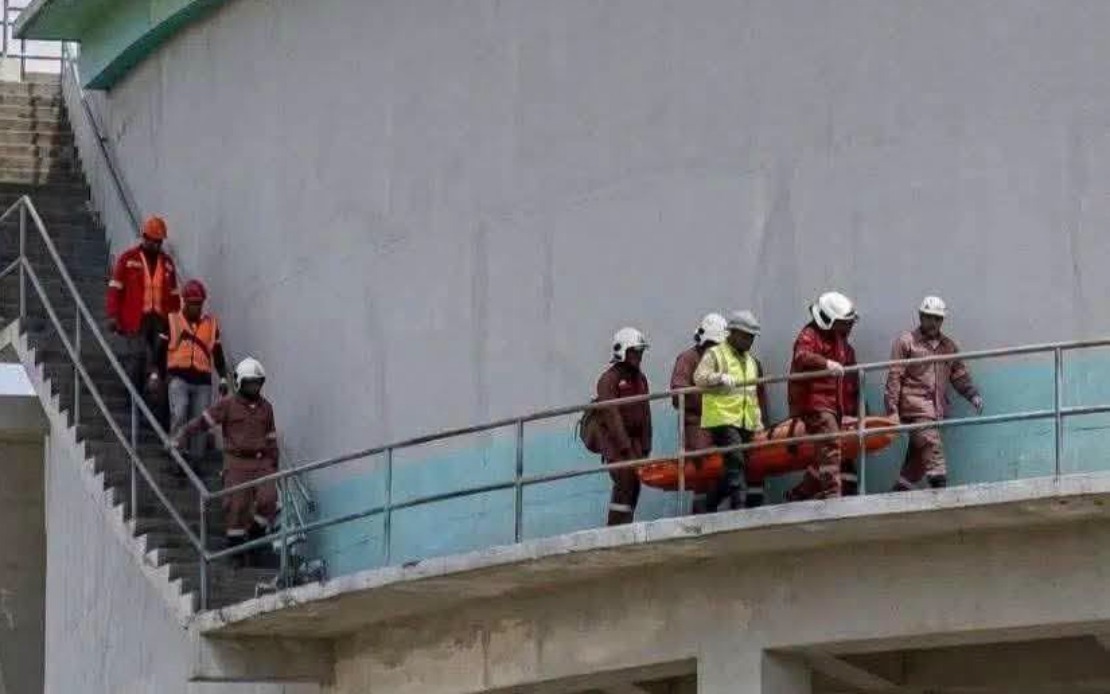
A fatal accident at a water tank cleaning operation in Sungai Buloh has triggered an investigation by Malaysia's Department of Occupational Safety and Health, with regulators emphasising the critical importance of proper confined space protocols and worker supervision across the construction and maintenance sectors.
The incident occurred on June 16 at Menara Saujana Perdana 1 in Selangor, claiming the life of an industrial trainee engaged in routine water tank maintenance work. DOSH director-general Hazlina Yon disclosed that investigators from the Selangor regional office have already visited the location and implemented protective measures to preserve evidence. A formal notice has been issued preventing any unauthorised activity at the accident scene while forensic and procedural examinations continue.
The investigation proceeds under the framework of the Occupational Safety and Health Act 1994, specifically invoking Sections 15, 17 and 18, which establish comprehensive duties for employers, self-employed operators, and relevant parties to maintain safe working conditions. These legal provisions underscore the responsibility of workplace operators not only to their direct employees but also to third parties and the broader public who may encounter hazards stemming from work activities. The breadth of these statutory obligations reflects Malaysia's regulatory approach to treating safety breaches as serious legal matters rather than mere administrative oversights.
Witness statements are being systematically collected as part of the investigative process, with authorities signalling their readiness to pursue enforcement action should the examination uncover violations of occupational safety standards. The deliberate collection of testimonies indicates that investigators are examining both the immediate circumstances of the fatality and the broader systemic factors that may have contributed. Whether deficiencies existed in site planning, equipment maintenance, emergency response procedures, or individual conduct will all likely feature in the final assessment.
Confined space work represents one of the most hazardous categories of industrial activity, characterised by limited entry and exit points, restricted ventilation, potential atmospheric hazards, and difficulty in emergency rescue operations. Water tank interiors present particular dangers including asphyxiation from oxygen depletion or displacement by accumulated gases, chemical exposure from residual cleaning agents or biological contamination, and physical risks from structural instability or uneven surfaces. Hazlina's public statement specifically highlighted confined space work, signalling that this incident will carry implications for safety practices across multiple industries where similar conditions exist—including maintenance of industrial vessels, sewage treatment facilities, underground utility infrastructure, and storage facilities.
Malaysian employers face explicit statutory obligations to develop and implement written safe work procedures before permitting staff to enter confined spaces. These procedures must include detailed hazard assessments, specification of required personal protective equipment, protocols for atmospheric testing, rescue equipment provisioning, and emergency response protocols. The requirement for relevant work permits represents a critical control mechanism, functioning as a checkpoint that forces supervisors to confirm that all preconditions for safe work have been satisfied before personnel enter the hazardous environment. Without this documentation requirement, many workplaces would proceed with insufficient preparation.
Industrial trainees occupy a particularly vulnerable position within workplace hierarchies. Typically younger or less experienced than permanent staff, trainees may feel hesitant to voice safety concerns, may lack familiarity with proper procedures, and may be assigned hazardous tasks without proportionate supervision. Hazlina's explicit mention that trainees must receive adequate occupational safety and health instruction and be supervised by competent supervisors indicates that regulators view the death as potentially preventable through proper management controls. The distinction between supervision and mere presence is significant—competent supervisors must possess sufficient knowledge of confined space hazards and rescue procedures to intervene effectively if situations deteriorate.
The investigation also raises questions about contractor and vendor management practices. Many organisations outsource specialised maintenance functions like water tank cleaning to external contractors rather than maintaining in-house capabilities. This fragmentation of responsibility creates potential gaps where contractors may assume organisational responsibility rests elsewhere, or where building operators may inadequately oversee contractor practices. Hazlina's reminder that employers must prioritise safety for vendors and contractors suggests the incident may involve such a contractual arrangement, and that investigators will scrutinise whether the building owner or operator exercised adequate oversight of the contractor's operations.
The timing of this incident carries broader significance for Malaysia's industrial safety culture. As manufacturing, construction, and facility management sectors expand, confined space work becomes increasingly common. Training standards, enforcement consistency, and genuine management commitment to safety beyond mere compliance all factor into whether such incidents become isolated tragedies or evidence of systemic underinvestment in worker protection. The fact that a regulatory investigation proceeds relatively swiftly demonstrates the statutory framework's responsiveness, but workplace outcomes ultimately depend on whether individual organisations internalise safety obligations or treat them merely as regulatory boxes to tick.
The Sungai Buloh incident carries lessons extending beyond the immediate worksite. For building managers and facility owners throughout Malaysia, it underscores the necessity of ensuring maintenance contractors possess proper certifications, maintain appropriate insurance, and follow documented safety procedures. For workers considering entry into maintenance or construction trades, it illustrates why refusing unsafe work or raising safety concerns represents a protected right under Malaysian law rather than grounds for retaliation. For regulatory authorities, it provides an opportunity to reinforce messaging about confined space protocols during what remains a critical season for facility maintenance operations across the country.

