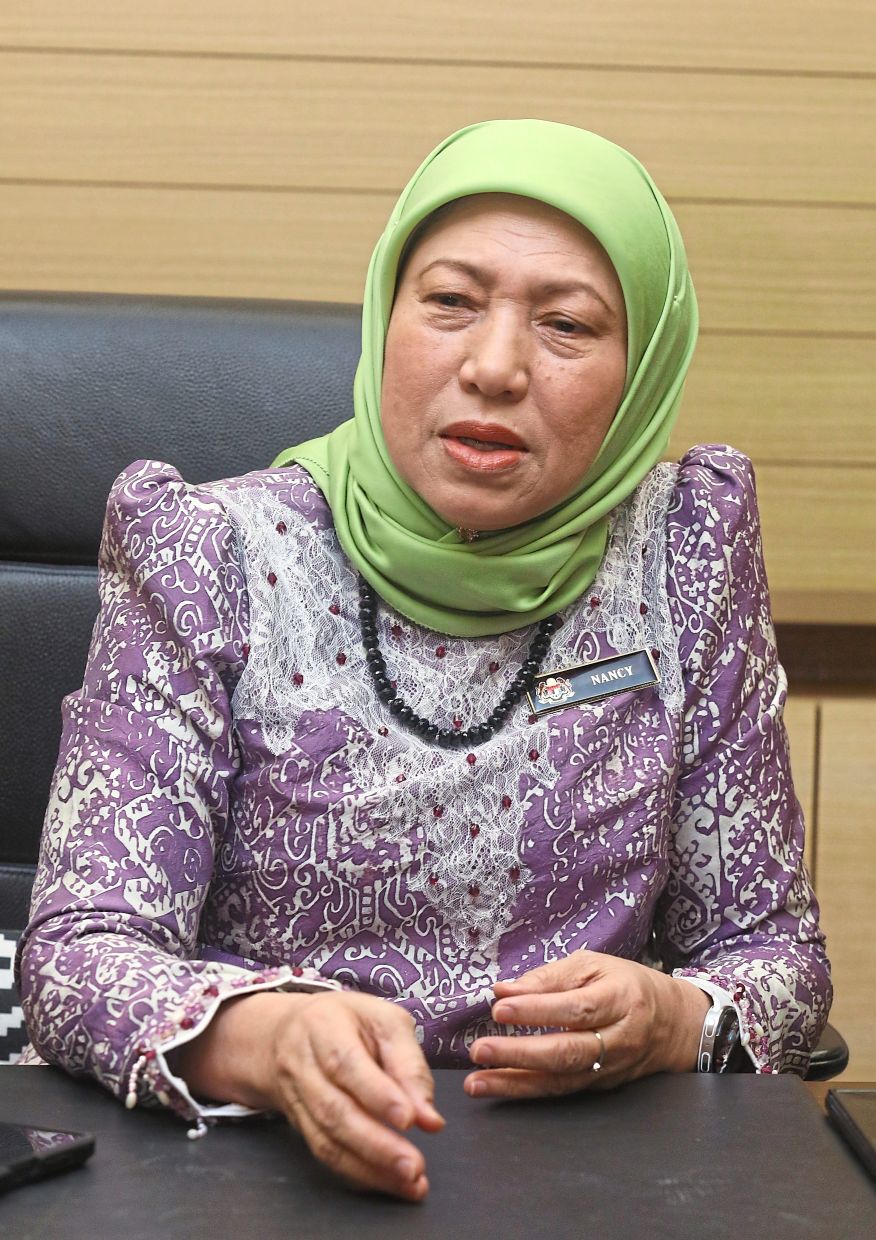
Parents of children with disabilities should prioritise early registration as a person with disabilities (OKU) to access a comprehensive ecosystem of government support, according to Women, Family and Community Development Minister Datuk Seri Nancy Shukri. The registration process, handled by the Social Welfare Department (JKM), serves as the gateway through which families can unlock financial assistance, healthcare services, educational provisions and social development programmes tailored to their child's needs. Without official recognition through the OKU card, many families remain unaware of or unable to access the benefits and interventions designed to support them during critical developmental years.
The formal registration system requires parents to submit documentation including the child's birth certificate or identification papers alongside a medical report that certifies the disability status. Additional supporting documents may be requested by JKM depending on individual circumstances. Once approved through this process, the child receives an OKU card that serves as official certification of disability status, a credential that opens pathways to various assistance schemes. Shukri emphasised that this administrative step, while straightforward, carries profound implications for a child's trajectory, as it triggers access to early intervention programmes that have been shown to significantly influence developmental outcomes.
The timing of registration matters considerably for child development, as Shukri stressed that early intervention during formative years produces measurable improvements in learning capacity and overall wellbeing. Families who register promptly can access rehabilitation services, special education facilities, and developmental support programmes during the crucial window when children's neurological and cognitive systems are most responsive to targeted interventions. Delaying registration postpones access to these evidence-based programmes and can result in missed opportunities for meaningful progress that might have been achievable with earlier support.
Beyond childhood, the government's vision extends support frameworks throughout the lifespan, recognising that needs and aspirations evolve as individuals mature. Shukri indicated that the disability support architecture has shifted away from a model where assistance terminates at school completion or adulthood, instead embracing a continuum approach. This philosophy underpins new initiatives focused on employment inclusion, a domain where persons with disabilities historically face significant barriers to workforce participation. The introduction of job coach services represents a practical application of this commitment, with specially trained coaches providing on-the-job support that helps OKU-registered individuals secure positions and maintain employment stability.
Job coaches function as intermediaries between employers and workers with disabilities, facilitating workplace adjustments and providing day-to-day guidance that enables successful job performance. Beyond individual support, coaches work with employers to reshape workplace cultures and systems to become genuinely inclusive. This dual approach addresses a fundamental employment barrier: that disability inclusion requires not only supporting the individual worker but also transforming organisational practices and mindsets. By embedding coaches within workplaces, the government creates mechanisms for sustained, evidence-based employment support rather than relying solely on aspiration or goodwill.
Complementing these employment initiatives is Disability Equality Training (DET), a programme that targets employers, human resources professionals and employees themselves. Rather than limiting its scope to basic awareness-raising, DET aims to catalyse deeper attitudinal shifts regarding how society conceptualises disability. The training challenges deficit-focused frameworks that emphasise limitations and instead promotes asset-based perspectives that recognise individual capabilities and potential. Shukri described this reorientation as essential to creating truly inclusive societies where obstacles are systematically dismantled and support responds to particular circumstances rather than standardised assumptions.
The government has mobilised multiple institutions to operationalise this inclusive employment agenda. The Social Security Organisation (PERKESO) offers rehabilitation programmes, vocational skills training and employment placement services specifically designed for persons with disabilities. The MyFutureJobs platform provides a technological infrastructure connecting job seekers registered as OKU with employers actively recruiting for suitable positions. This multi-agency approach recognises that employment inclusion cannot be achieved through isolated efforts but requires coordinated action spanning government departments, statutory bodies, private sector employers and civil society organisations.
Beyond employment, the support framework encompasses lifelong learning pathways, vocational training options, entrepreneurship development and programmes supporting independent living arrangements. These complementary initiatives address the diverse aspirations and circumstances that characterise the disability community. Some individuals prioritise traditional employment, others may prefer entrepreneurship or self-directed work, while others require support structures enabling autonomous living. By expanding the range of available pathways rather than channelling all support toward single outcomes, the government acknowledges that persons with disabilities harbour varied ambitions deserving equal validation and resourcing.
For Malaysian families navigating disability support systems, early OKU registration represents far more than bureaucratic compliance. It functions as a foundational action that formally recognises a child's needs within government frameworks, triggering access to interventions during sensitive developmental periods and establishing eligibility for support services that extend from childhood through adulthood. The registration process, while requiring documentation and administrative engagement, positions families to advocate effectively for their child's rights and access existing support rather than discovering opportunities belatedly. Parents who delay registration risk navigating disability support largely outside official channels, missing time-sensitive interventions and potentially overlooking substantial assistance available to them.
Shukri's emphasis on early action reflects evolving understanding that disability outcomes are significantly influenced by timing of intervention, quality of support systems and societal attitudes toward inclusion. Early intervention programmes have demonstrated effectiveness in improving developmental trajectories, yet many Malaysian families remain unaware of registration pathways or the support unlocked through formal OKU status. The minister's public articulation of registration importance serves partly to raise awareness among parents who might otherwise remain outside support systems. Simultaneously, the government's expansion of employment support, inclusive training and lifelong learning opportunities signals commitment to ensuring that disability support evolves beyond charity-based assistance toward genuine inclusion and participation in economic and social life.

