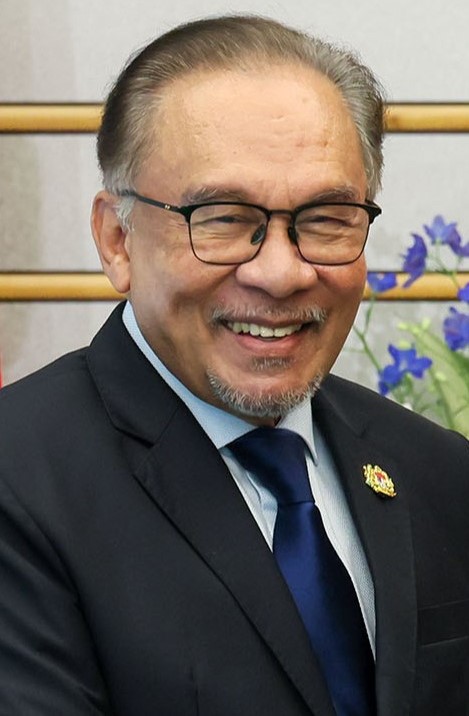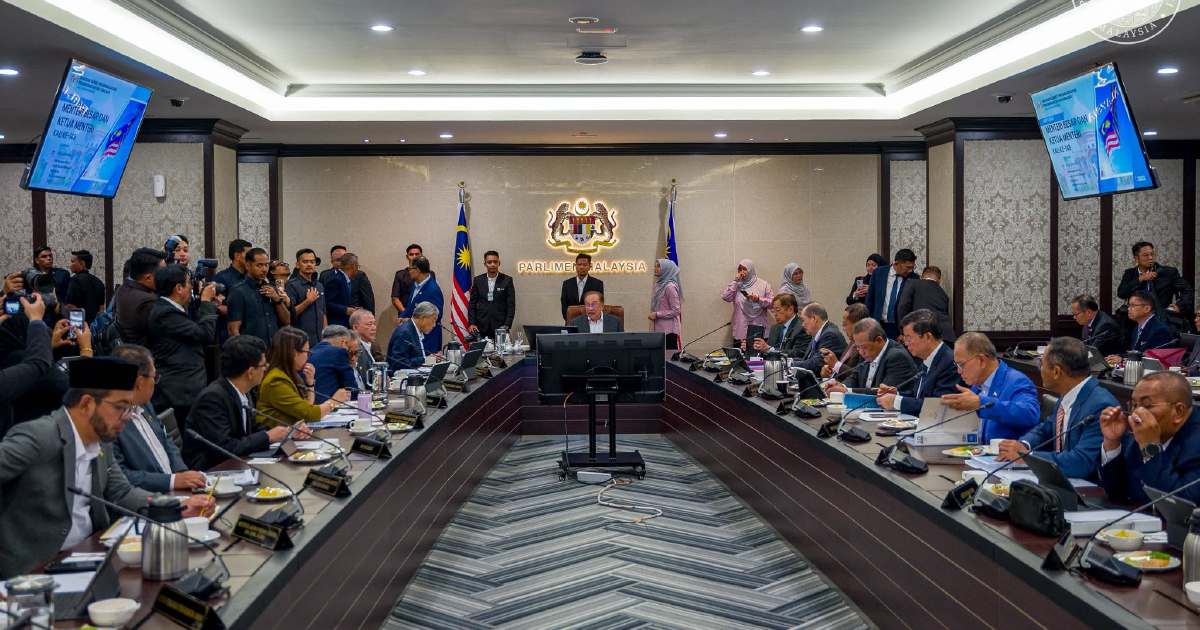
Prime Minister Datuk Seri Anwar Ibrahim convened the 149th gathering of Menteris Besar and Chief Ministers at the Parliament building in Kuala Lumpur today, directing discussions toward revitalising the nation's economic foundations. The monthly meeting, a formal mechanism through which the federal administration coordinates policy direction with Malaysia's 13 state governments, comes at a time when the regional economy faces headwinds from international uncertainties, particularly the escalating conflicts destabilising the Middle East.
The emphasis on economic recovery reflects growing concern among policymakers about Malaysia's vulnerability to global shocks. As one of Southeast Asia's most export-dependent economies, Malaysia remains sensitive to disruptions in international trade routes, commodity prices, and investor confidence. The geopolitical tensions in the Middle East carry particular relevance given Malaysia's exposure through energy markets, shipping lanes passing through the Strait of Malacca, and significant bilateral trade relationships with Gulf states. Officials have indicated that even the prospect of sustained regional conflict can dampen economic activity by raising shipping insurance costs, delaying investment decisions, and prompting capital outflows to safer havens.
State governments play a crucial role in Malaysia's economic performance, controlling significant levers of development policy, land administration, and business facilitation at the regional level. By convening this quarterly meeting, the Prime Minister ensures alignment between federal economic strategies and state-level implementation. This coordination mechanism has become increasingly important as Malaysia attempts to attract foreign direct investment and retain domestic capital amid competition from neighbouring countries offering similar opportunities with potentially lower political risk perceptions.
The timing of today's briefing underscores the administration's awareness that economic messaging from the highest levels must cascade through all tiers of government to be effective. When investors assess Malaysia's stability and growth prospects, they evaluate not just federal policy but the consistency of implementation and regulatory environment across all states. Disunity or conflicting signals between federal and state authorities can undermine confidence, while coordinated communication strengthens perceptions of government competence and strategic coherence.
Malaysia's current economic trajectory reflects the interplay between domestic momentum and external pressures. Growth has recovered from pandemic lows, but remains moderate relative to historical trends and below rates achieved by some regional peers. Manufacturing output, a traditional economic anchor, faces ongoing challenges as global supply chains continue rebalancing and advanced economies invest in nearshoring or onshoring production. Meanwhile, services and digital economy sectors offer growth potential but require different skill sets and infrastructure investments across states.
The Middle East conflicts specifically impact Malaysia through multiple channels beyond direct energy dependence. Tourism flows from Arab countries contribute meaningfully to Malaysian hospitality and retail sectors, particularly in premium segments. Malaysian construction and services firms maintain significant operations in Gulf states, and disruptions to those markets affect remittances and business confidence. Additionally, heightened geopolitical risk typically benefits safe-haven currencies and economies perceived as stable, a potential advantage if Malaysia can position itself as a dependable alternative to more conflict-affected regions.
State leaders attending today's session represent diverse economic profiles and regional priorities. Peninsular states maintain different economic structures than Sabah and Sarawak, with the latter relying heavily on natural resources. Urban states like Selangor and Kuala Lumpur operate different business environments than more rural states. Achieving unified economic strategy while respecting these differences represents a consistent challenge for federal-state coordination. The briefing provides an opportunity for the Prime Minister to articulate macro-level priorities while allowing states flexibility in implementation approaches suited to their circumstances.
The emphasis on economic revival suggests the government recognises that current growth rates, while positive, may be insufficient to address unemployment concerns, particularly among younger demographics, and to maintain adequate fiscal space for social programmes. Revival implies not merely stabilisation but acceleration of economic activity. This could encompass measures ranging from infrastructure investment acceleration, particularly in underutilised regional development corridors, to targeted incentives for high-value sectors and innovation hubs across states.
Regional context matters significantly here. Vietnam and Thailand have successfully attracted manufacturing investments seeking alternatives to China, while the Philippines and Indonesia continue expanding their economic presence regionally. Malaysia risks falling behind if it cannot project consistent policy certainty and coordinated government support for economic activity. The 149th meeting thus serves as a leadership signal that despite external turbulence, Malaysia's government remains focused on competent administration and sustained growth generation.
For Malaysian businesses and investors, today's convening represents reassurance that federal and state authorities are engaged in active economic stewardship during uncertain times. However, real impacts will emerge through subsequent policy announcements, investment approvals, infrastructure progress, and regulatory implementation at state levels. The significance of such high-level meetings ultimately hinges on their translation into concrete measures that improve the business environment and expand economic opportunities throughout the country.