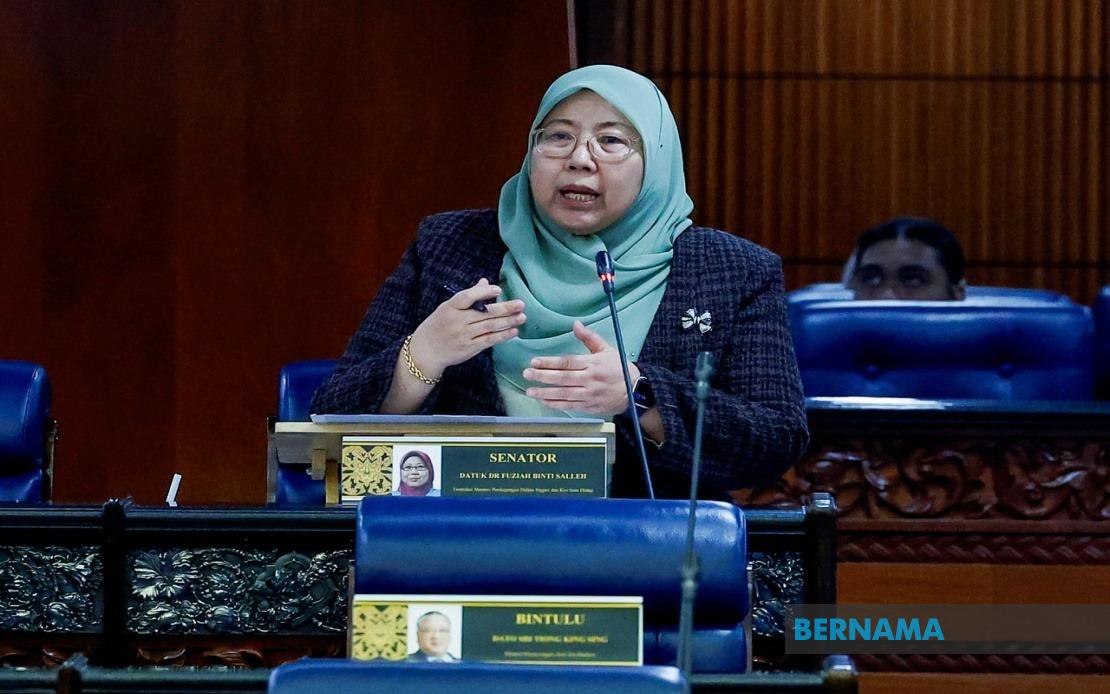
Malaysia's Cooking Oil Price Stabilisation Scheme (eCOSS) mobile application has proven its worth in preventing unauthorised access to heavily subsidised one-kilogramme packets of cooking oil, according to Deputy Domestic Trade and Cost of Living Minister Datuk Dr Fuziah Salleh. Speaking in Parliament on July 6, she pointed to two concrete measures of success: steady market availability of the subsidised product and a notably low volume of public complaints about shortages. The mobile platform, operational since May 2024, was specifically designed to create a digital barrier preventing non-citizens and other ineligible parties from claiming subsidies intended for Malaysian households.
The registration figures paint a picture of substantial public uptake. As of July 3, exactly 5.261 million Malaysians had signed up to the application, establishing a substantial user base across the nation. More tellingly, average monthly consumption of subsidised cooking oil packets has stabilised at 18 million units, a figure the ministry interprets as evidence that the system is successfully matching legitimate demand with available supply. These metrics form the foundation of the ministry's assessment that the technology is delivering on its core objective: protecting a crucial food subsidy from abuse while ensuring ordinary Malaysians continue to access affordable cooking oil.
Johor provides a particularly instructive case study in the scheme's operational effectiveness. As one of the pilot states for the eCOSS rollout, the southern state has seen 580,000 consumers download the application, with 1,093 retailers across the state's total of 2,822 registered outlets now integrated into the digital system. The impact on complaint patterns is striking: the number of grievances specifically about cooking oil shortages in Johor collapsed from nine cases in June 2025 to merely two in June of the following year. This dramatic reduction suggests that the digital system has genuinely improved supply chain visibility and reduced the friction points where subsidised products previously vanished from formal retail channels into the grey market.
The challenge of digital inclusion has not escaped the ministry's attention, particularly given Malaysia's diverse demographics and the persistent digital divide between urban and rural populations. Recognising that senior citizens and those with limited technological familiarity represent a meaningful portion of the cooking oil consumer base, the government has implemented a multi-layered support infrastructure. Retail outlets now provide on-site assistance for customers navigating the application, while public awareness campaigns and explanatory videos lower the barriers to entry for technologically hesitant users. Critically, the ministry has preserved an analogue pathway: consumers without smartphones can still purchase subsidised cooking oil through manual transactions, ensuring that the digital shift does not inadvertently exclude vulnerable populations from a basic staple.
The eCOSS architecture itself represents a sophisticated approach to supply chain transparency in a subsidised commodity. The mobile application functions as the consumer-facing component of a broader tracking ecosystem that monitors cooking oil movement from refineries through repackaging facilities, then to wholesalers and finally retailers before reaching end consumers. This end-to-end visibility creates multiple checkpoints where officials and system administrators can detect anomalies or suspicious patterns indicative of diversion to unintended markets. By embedding digital accountability into every transaction step, the scheme makes it substantially harder for leakage to occur undetected, addressing a longstanding challenge in managing food subsidies in developing economies.
Fuziah emphasised that the eCOSS mobile application operates as a complementary system rather than a replacement for traditional enforcement. Dedicated enforcement operations continue independently, targeting illicit trading and subsidy abuse through conventional investigative and legal mechanisms. However, the data harvested through the application—including real-time monitoring information and consumer complaint patterns—feeds into the enforcement apparatus, creating a feedback loop where digital monitoring identifies suspicious activity that human investigators can then pursue. This hybrid model combines algorithmic detection with human judgment and legal authority, potentially creating a more resilient anti-leakage framework than either approach alone could achieve.
The effectiveness claims must be contextualised within Southeast Asia's broader experience managing food subsidies. Many nations in the region face persistent challenges in delivering subsidised staples to their intended beneficiaries without leakage to parallel markets, corruption, or cross-border arbitrage. Malaysia's deployment of a smartphone-based tracking system reflects the region's growing comfort with digital governance infrastructure and demonstrates how mobile technology penetration—substantially higher in Malaysia than many neighbouring countries—can be leveraged to strengthen subsidy administration. The success metrics being cited suggest that digital tools can meaningfully address a structural problem that has plagued food subsidy programmes across the developing world.
The ministry's statement that it continues evaluating user feedback to refine the scheme indicates an iterative approach to implementation. As the platform accumulates more operational history, patterns in how consumers and retailers interact with the system will reveal friction points and opportunities for streamlining. Potential refinements might range from interface improvements to accelerate transactions, to algorithmic adjustments that reduce false positives in fraud detection, to expanded functionality that provides retailers with better inventory management tools. This commitment to continuous improvement distinguishes the eCOSS rollout from simply launching a technical solution and allowing it to calcify into an outdated system.
For Malaysian households already experiencing cost-of-living pressures, the eCOSS system's apparent success in maintaining cooking oil supply and preventing price inflation carries material significance. Cooking oil represents a staple ingredient in Malaysian cuisine and represents a measurable portion of household food budgets. The subsidy itself, while politically valuable, imposes a substantial fiscal burden on the government—a burden that leakage makes still larger. By demonstrating that digital technology can substantially reduce leakage, the eCOSS experience provides evidence that subsidies can be administered more efficiently, potentially freeing resources for other social programmes or reducing the overall fiscal cost of supporting food affordability.
The broader implications for Malaysia's digital governance agenda deserve consideration. The eCOSS rollout demonstrates that the government possesses both the technological capacity and the institutional willingness to deploy digital systems for citizen-facing service delivery at significant scale. This experience may inform future digitisation initiatives in other domains—from healthcare delivery to social assistance programmes—where similar concerns about targeting, leakage, and equity arise. The existence of 5.26 million registered users also reveals growing public familiarity with government mobile applications, potentially lowering adoption barriers for future digital services launched by other ministries.
Regional observers noting Malaysia's approach may find lessons applicable to their own subsidy management challenges. Several ASEAN nations grapple with cooking oil price volatility and the budgetary strain of maintaining price controls or subsidies. While the technological solution deployed through eCOSS may require adaptation to different digital infrastructure maturity levels across the region, the underlying principle—using mobile platforms to create transparency and accountability in subsidy distribution—offers a replicable model. Nations with comparable smartphone penetration rates and regulatory capacity might find similar approaches valuable in strengthening the efficiency of their own food subsidy programmes.

