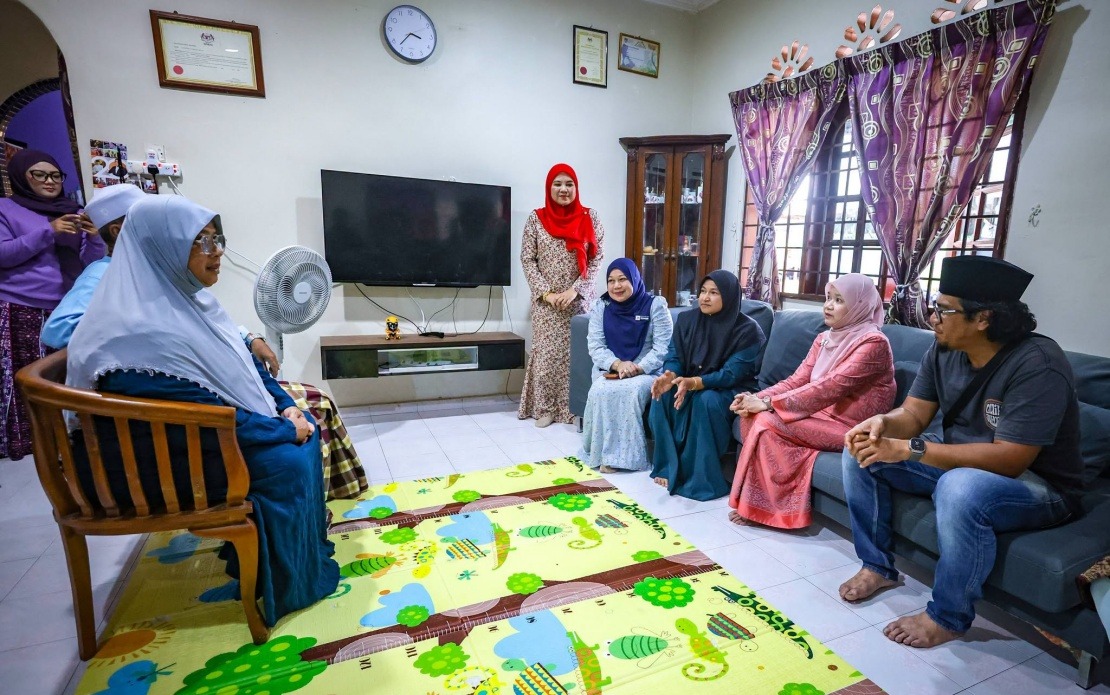
Education Minister Fadhlina Sidek has paid a condolence visit to the family of Muhammad Raiyan Nufael, a Form Two student who died following a sudden collapse during a rugby training session at a school in Telok Mas, Melaka, on Wednesday evening. The minister travelled to the family home on behalf of the Ministry of Education to express official sympathies and support during their time of grief. Through a Facebook post, Sidek shared details of her visit while offering prayers for the deceased student's family, stating that she hoped the young man's soul would be placed among the righteous and that his parents would find strength to endure this profound loss.
The 14-year-old boy's death has raised urgent questions about student safety during physical education activities in Malaysian schools. According to initial reports, the teenager had participated in only approximately 15 minutes of the rugby training session before the incident occurred. While undergoing a briefing from the coach during a scheduled break in the activity, the student suddenly experienced severe shortness of breath. His condition rapidly deteriorated, and despite the school's response, he was pronounced dead at approximately 6 pm that evening. The incident has cast a spotlight on the protocols and medical preparedness that schools maintain during sporting activities.
The circumstances surrounding the student's death have sparked broader concerns within the education sector and among parents regarding the adequacy of safety measures during sports training. Rugby, while an important component of school physical education programmes in Malaysia, carries inherent physical demands and risks that require careful management, particularly for young teenagers whose cardiovascular systems are still developing. The fact that the collapse occurred not during intense physical exertion but during a coach's briefing after a break suggests the possibility of underlying medical conditions that may not have been apparent or screened for prior to the training session. This raises questions about pre-participation medical assessments for students engaging in contact sports and high-intensity activities.
Schools across Malaysia typically implement various safety protocols during sports training, yet incidents like this underscore the importance of ensuring these measures are comprehensive and consistently applied. Many educational institutions conduct basic health screenings, but the depth and rigour of these assessments can vary considerably. Questions have emerged about whether coaches receive adequate training in recognising signs of medical distress, whether first aid equipment and trained personnel are readily available on training grounds, and whether emergency response procedures can be activated swiftly enough to make a critical difference in life-threatening situations. The Ministry of Education will likely need to review existing guidelines to ensure all schools meet adequate standards.
The loss of a young student during what should be a routine school activity represents a significant tragedy that reverberates through the entire school community, from fellow students to teachers and parents. Muhammad Raiyan Nufael's death will inevitably prompt discussions among families about the risks their children face during school sporting activities and whether they feel confident in the safety measures their schools have implemented. For the parents of students in Malaysian schools generally, such incidents serve as stark reminders of the unpredictability of health emergencies and the importance of institutional preparedness. The emotional impact on the school itself, particularly those who knew the student and were present during the training session, cannot be understated.
The Ministry of Education's response, exemplified by the minister's personal visit to the family, reflects the seriousness with which the government is treating this incident. Such high-level engagement signals that the ministry recognises both the tragedy itself and the broader implications for school safety protocols across the nation. The visit also demonstrates an attempt to provide institutional support and recognition of the family's loss at an official level. However, condolences alone will likely prove insufficient for addressing the systemic questions this incident raises about how Malaysian schools can better protect student wellbeing during physical activities.
Moving forward, this incident will probably prompt a comprehensive review of safety standards in school sports programmes nationwide. The Ministry of Education may consider strengthening requirements for medical screening before students participate in contact sports, enhancing coach training in recognising medical emergencies, and ensuring all schools have adequate first aid provisions and emergency response protocols. Additionally, schools may face increased pressure to communicate transparently with parents about the risks associated with specific sporting activities and the measures in place to mitigate those risks. Some schools may also revisit their policies regarding the intensity and duration of training sessions for young students, particularly during warm weather conditions that can exacerbate heat-related complications.
The broader context of student health and safety in Malaysian schools extends beyond rugby and sports activities. This incident serves as a reminder that schools serve as custodians of young people's wellbeing during their most formative years. The responsibility extends not only to physical safety during organised activities but also to creating environments where potential health issues can be identified early through proper screening and medical oversight. Parents expect their children to return home safely after each school day, and institutions have a fundamental obligation to implement whatever reasonable measures are necessary to fulfil that expectation.
As the investigation into the circumstances of Muhammad Raiyan Nufael's death continues, the focus will inevitably shift towards determining whether any preventable factors contributed to the tragedy and identifying lessons that can protect other students from similar fates. Whether the student had any undiagnosed medical conditions, whether the training session was appropriately supervised, and whether emergency response procedures were followed correctly will all form part of the inquiry. The answers to these questions will likely inform revisions to how schools across Malaysia approach sports safety, potentially establishing new benchmarks for physical activity supervision and medical emergency preparedness that could save lives.

