Egypt and Russia are charting an ambitious course to intensify their economic engagement, with both nations exploring the establishment of a logistics corridor within Egyptian territory and launching seasonal flight routes to facilitate tourism. The bilateral agenda emerged from high-level talks between Egyptian Foreign Minister Badr Abdelatty and Russian Foreign Minister Sergey Lavrov, conducted on the sidelines of the ASEAN Foreign Ministers' Meeting held in Manila. These discussions underscore the deepening strategic partnership between Cairo and Moscow, built on decades of political alignment and growing commercial interdependence in an increasingly multipolar Middle East.
The proposed logistics corridor represents a significant initiative designed to streamline the movement of grain and petroleum products through Egypt, positioning the nation as a critical hub for Russian commodity flows toward global markets. This development carries substantial implications for regional trade dynamics, particularly as Russia seeks alternative channels for commodity exports following geopolitical tensions. For Egypt, the infrastructure investment promises economic benefits through employment generation, service revenues, and enhanced port activity. The corridor would leverage Egypt's geographic position as a bridge between Europe, Asia, and Africa, making it an invaluable asset in global supply chain architecture.
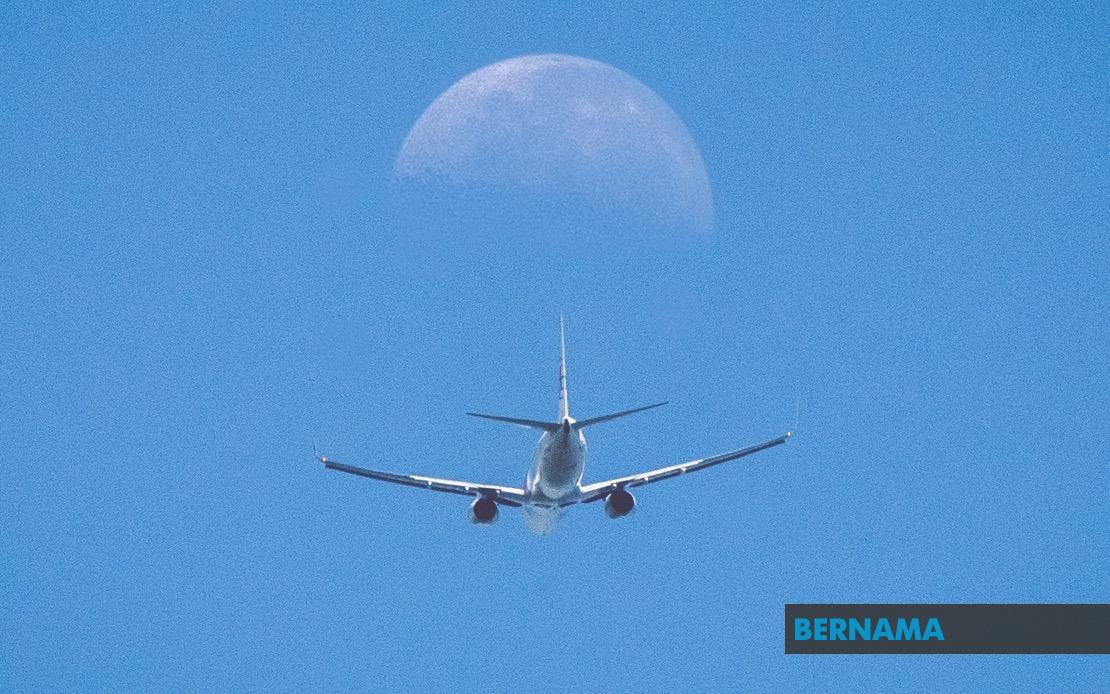
Paralleling the logistics agenda, Moscow has completed preliminary accreditation procedures for two international airports in Egypt, creating the pathway for seasonal aviation services between the two nations. Officials view these flights as instrumental in attracting Russian tourists to Egyptian destinations, a sector offering substantial income opportunities for Cairo's tourism industry. The seasonal nature of these routes suggests flexibility tailored to climatic conditions and demand patterns, rather than year-round commitment. For Russia, expanded tourism represents both a cultural exchange mechanism and an economic outlet for citizens seeking leisure opportunities.
Progress on the El Dabaa Nuclear Power Plant constituted another focal point of ministerial discussions. Abdelatty highlighted a significant construction milestone achieved on July 9, when engineers successfully installed the reactor vessel for the facility's second unit. This Russian-designed project remains one of the region's most ambitious infrastructure undertakings, reflecting Moscow's technological prowess in nuclear engineering and Egypt's commitment to diversifying its energy generation mix. The plant represents a substantial investment in Egypt's long-term electricity security as the nation grapples with growing demand from its 100-million-plus population.
Beyond nuclear energy, the establishment of a Russian industrial zone within the Suez Canal Economic Zone signals Moscow's determination to establish a physical footprint in one of the world's most strategically important waterways. Abdelatty expressed optimism regarding the zone's imminent operational status, indicating that planning and preliminary phases have largely concluded. This industrial facility would enable Russian enterprises to access Mediterranean markets more efficiently while positioning Moscow as an active economic player in regional infrastructure development. The Suez Canal Economic Zone itself has attracted significant foreign investment in recent years, transforming the area into a diversified commercial hub beyond traditional transit operations.
Lavrov's public affirmation of Russian-Egyptian relations emphasized Moscow's commitment to expanding the strategic partnership across multiple dimensions. The Russian foreign minister referenced ongoing coordination on regional and international issues, suggesting that bilateral ties extend well beyond commercial considerations into political alignment on Middle Eastern affairs. Russia maintains substantial interests in Egyptian stability and prosperity, given the nation's influence on Arab politics and its control of vital waterways. This diplomatic emphasis reinforces a relationship that has weathered various international pressures and competing regional alignments.
The ministerial engagement occurred within a broader multilateral context, as Lavrov simultaneously participated in the annual Russia-ASEAN Foreign Ministers' Meeting. During these wider discussions, participating nations identified food and energy security as priority collaboration areas, reflecting global concerns about supply chain resilience and sustainable development. Digital transformation and the platform economy emerged as additional focus points, indicating growing recognition that technological advancement shapes contemporary geopolitical and economic competition. Russia's participation in these broader ASEAN mechanisms demonstrates Moscow's strategic interest in Southeast Asian affairs despite geographic distance and traditionally limited presence in the region.
Trade and investment cooperation formed central themes in the Russia-ASEAN dialogue, with ministers agreeing to deepen engagement across conventional and emerging sectors. Cultural and educational exchanges were also prioritized, suggesting that Russia aims to strengthen people-to-people connections with Southeast Asian nations. These initiatives reflect Russia's broader Indo-Pacific strategy, attempting to maintain relevance and influence amid great power competition and Western-led economic constraints. For ASEAN members, engagement with Russia offers diversification of partnerships and opportunities to balance relationships among major powers.
The Egypt-Russia initiatives must be understood within evolving regional geopolitics where Middle Eastern nations increasingly pursue pragmatic diplomacy and multi-alignment strategies. Egypt's cultivation of Russian ties complements its relationships with Gulf states, the United States, and European nations, reflecting Cairo's determination to maximize strategic flexibility. The logistics corridor and tourism initiatives represent low-risk, mutually beneficial projects that generate tangible economic returns without requiring substantial political commitments. For Malaysia and Southeast Asian observers, these developments highlight how middle powers are navigating great power competition by pursuing concrete economic cooperation while maintaining strategic ambiguity.
The timing of these announcements—presented during a Manila ministerial meeting where multiple nations gather—amplifies their diplomatic significance. By showcasing bilateral progress in a multilateral setting, Egypt and Russia underscore the robustness of their partnership while signaling their relevance in regional affairs. Southeast Asian nations watching these developments recognize patterns of strategic partnership that blend economic pragmatism with geopolitical positioning. The grain corridor and tourism routes exemplify how contemporary international relations increasingly centers on functional cooperation addressing immediate needs rather than ideological alignment.

