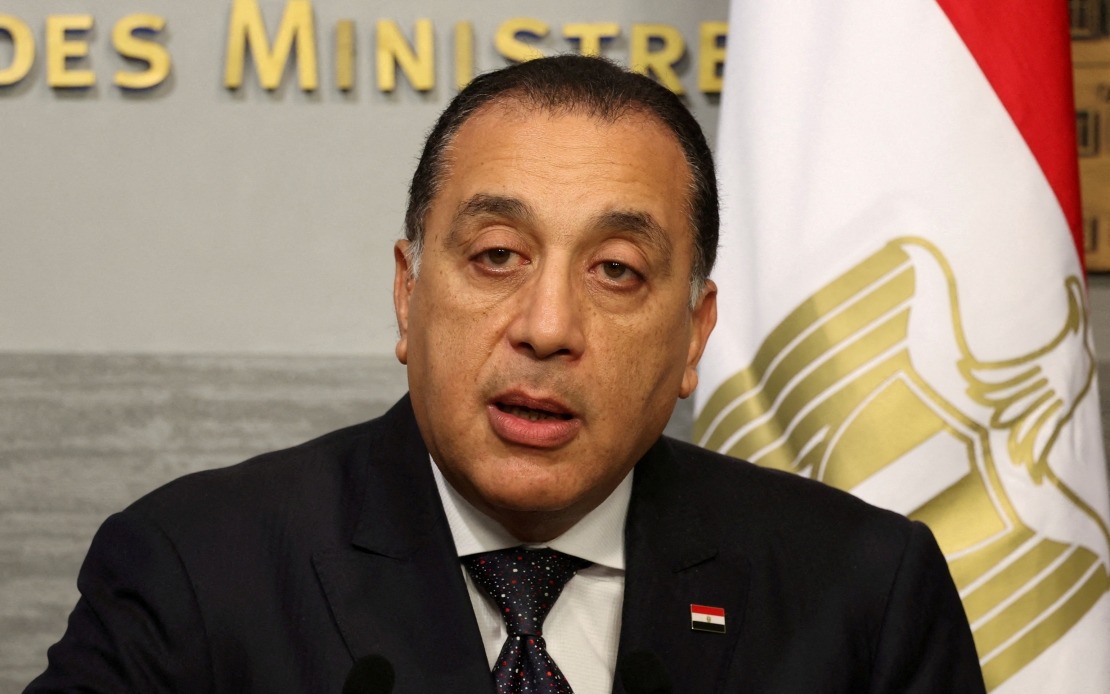
Egypt is moving forward with ambitious plans to tap nuclear energy as part of its broader push toward cleaner power generation, with Prime Minister Mostafa Madbouly announcing that the nation's first nuclear power plant will begin supplying electricity to the grid in 2028. Speaking during a ceremony to mark the installation of the reactor pressure vessel for the facility's second unit, Madbouly emphasised the significance of the El Dabaa Nuclear Power Plant as a flagship development born from sustained cooperation between Cairo and Moscow. The government has remained committed to the project's timeline despite the complexities inherent in developing such cutting-edge infrastructure in the Middle East.
The El Dabaa facility, situated about 300 kilometres northwest of Cairo in Egypt's Matrouh Province on the Mediterranean coast, represents a transformative moment for the country's energy landscape. Each of the four reactor units planned for the site will generate 1,200 megawatts of electricity, collectively positioning the complex as a major contributor to Egypt's power supply once fully operational. The phased approach to bringing the reactors online—with the first unit connected in 2028 and the remaining three commissioned by 2030—reflects a measured strategy that balances the urgent need for additional capacity against the technical and regulatory requirements of nuclear power deployment.
At the heart of this development lies Russia's Rosatom, the state nuclear corporation overseeing the project's implementation. Alexey Likhachev, Rosatom's director general, attended the ceremony and reaffirmed the corporation's commitment to delivering the project according to schedule. The partnership between Egypt and Russia formalised through contracts that came into effect in December 2017, has weathered geopolitical shifts and technical challenges to reach this construction milestone. For observers tracking Middle Eastern energy security, the El Dabaa project underscores how regional powers are looking beyond traditional hydrocarbon-dependent models toward nuclear and renewable alternatives.
Egypt faces mounting pressure to expand its electricity generation capacity as its population exceeds 100 million and industrial activity demands more power. The country has historically relied on hydroelectric power from the Aswan High Dam, fossil fuels, and increasingly on natural gas from domestic and regional sources. However, these conventional approaches carry environmental costs and vulnerability to supply disruptions. By incorporating nuclear energy alongside expanding renewable capacity, Egypt aims to construct a more resilient and sustainable power system capable of meeting demand through 2030 and beyond. The nuclear component is particularly valuable because it provides baseload power independent of weather conditions, unlike solar and wind installations.
The El Dabaa project also carries strategic implications for Egypt's positioning within regional energy markets and its relationship with major powers. Russia's involvement signals Moscow's expanding influence in Middle Eastern infrastructure development, particularly in sectors requiring advanced technological expertise and long-term partnerships. For Egypt, the arrangement provides access to Russian nuclear expertise and financing arrangements that might have proved difficult to secure through Western suppliers, many of which impose stricter terms and scrutiny. This geopolitical dimension adds layers of complexity beyond the purely technical aspects of reactor construction and operation.
The government has framed nuclear energy as a critical element of Egypt's clean energy transition, essential for reducing carbon emissions from the power sector while meeting rising electricity demand. The African nation has pledged commitments under international climate agreements and recognises that diversifying away from fossil fuel dependence carries both environmental and economic benefits. The El Dabaa plant exemplifies this commitment, though nuclear energy remains politically sensitive in regions with limited regulatory history in this domain. Successful implementation requires not only technical proficiency but also public confidence and robust safety protocols.
From a Malaysian and Southeast Asian perspective, Egypt's nuclear journey offers instructive lessons. The region itself faces similar pressures: rapid population growth, industrialisation demands, and climate commitments that create urgency around clean energy expansion. Vietnam, with Russian and Soviet assistance, has pursued nuclear power for decades, while other nations consider or debate the merits of nuclear inclusion in their energy portfolios. Egypt's experience—balancing technical ambition, geopolitical partnership, and domestic energy security—mirrors dilemmas that Malaysian and regional planners navigate when evaluating nuclear versus renewable pathways.
The timeline announced—first reactor in 2028, full capacity by 2030—positions El Dabaa as operationally significant well before the end of this decade. For context, nuclear power plants typically require eight to ten years from major construction commencement to grid connection, so Egypt's schedule reflects the project having already overcome initial licensing and foundation phases. Achieving these targets depends on sustained political will, continued Russian technical support, and absence of major geological, regulatory, or security disruptions. Any slippage would reverberate through Egypt's energy planning and potentially delay the retirement of ageing thermal plants.
The ceremony marking the reactor pressure vessel installation represents tangible progress that buttresses government assurances. The reactor pressure vessel is among the most critical and technically demanding components, its manufacture and transport alone posing logistical and engineering challenges. Its successful placement signals that supply chains are functioning, international coordination is proceeding, and on-site construction capacity has matured. These operational realities suggest that barring unforeseen complications, the 2028 target for initial grid connection possesses reasonable credibility.
Looking forward, the successful commissioning of El Dabaa would establish a template for nuclear expansion in Egypt and potentially across the Middle East and North Africa. A functioning plant generating substantial clean baseload power would validate the investment case and potentially open pathways for additional units at the same or different locations. Conversely, any significant delays or technical problems would dampen enthusiasm for nuclear energy in the region and shift calculus toward alternative clean sources. The international dimension matters too: El Dabaa's success enhances Russia's standing as a nuclear technology provider and may influence how other nations evaluate Russian partnership in critical infrastructure sectors.
Egypt's commitment to the El Dabaa project, articulated afresh by Madbouly and confirmed by Likhachev, reflects recognition that modern energy systems cannot rely exclusively on renewables or fossil fuels. The nuclear component, despite its upfront costs and technical demands, offers benefits in efficiency, baseload reliability, and emissions reduction that align with Egypt's development and climate objectives. As the nation progresses toward 2028 and beyond, the project's trajectory will provide valuable data for regional energy planners and demonstrate whether Russia and Egypt can execute a large-scale, long-duration infrastructure partnership successfully. For Malaysia and Southeast Asia, observing El Dabaa's implementation offers insights into the feasibility and complexities of integrating nuclear power into developing energy systems.

