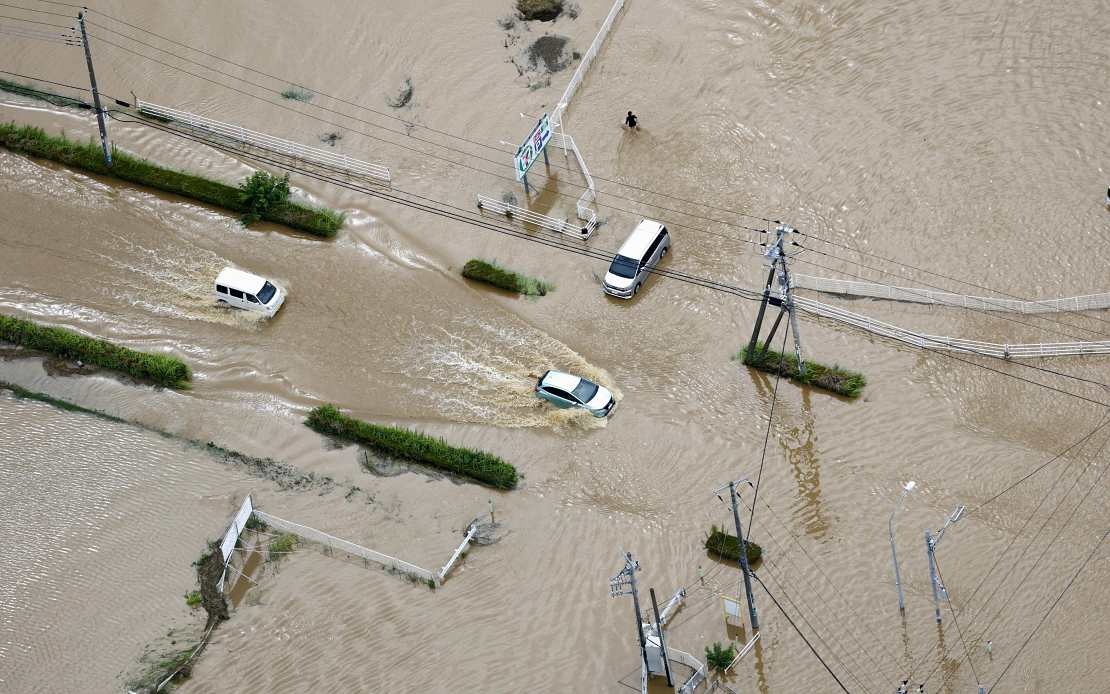
Eastern Japan has been gripped by an unprecedented weather catastrophe as record-breaking rainfall swept through Chiba Prefecture, leaving eight people dead and displacing over 100,000 residents by Friday morning. The torrential downpour, which persisted through the early hours of Friday, represents one of the most severe meteorological events to strike the densely populated prefecture in recent memory, raising questions about climate resilience and disaster preparedness in one of the world's most weather-vulnerable regions.
The confirmed fatalities span multiple municipalities across the prefecture, with deaths recorded in Chiba City, Kashiwa, Ichikawa, Sakura and Yachiyo. Additionally, four people sustained minor injuries during the deluge. The geographic spread of casualties underscores the scale of the disaster, as the weather system affected not a single location but an extensive area covering millions of inhabitants. Local authorities from the Chiba Prefectural Government have been coordinating emergency response efforts, though the speed and intensity of the rainfall presented unprecedented challenges to rescue and relief operations.
The meteorological data tells a sobering story about the intensity of the weather event. Chiba City accumulated 348 millimetres of rain over a mere 12-hour period ending at 1.40 am on Friday, according to measurements from the Japan Meteorological Agency. To contextualise this extraordinary figure, the typical rainfall for Chiba City during the entire month of August averages approximately 120 millimetres. This means that three months' worth of expected precipitation fell in half a day, compressing into a brief window what normally takes weeks to accumulate. Such concentrated rainfall overwhelms drainage systems and natural water absorption capacity, inevitably triggering flooding and landslides across vulnerable terrain.
The Japan Meteorological Agency escalated its alert status to the maximum Level 5 emergency warning for heavy rain and landslides in affected regions of Chiba Prefecture, signalling the highest degree of danger to the public. This top-tier warning, seldom issued, reflects the agency's assessment that conditions posed an imminent and severe threat to life and property. Although authorities downgraded these warnings to Level 4 or below by Friday morning as rainfall subsided, meteorologists cautioned that additional heavy downpours remained possible, requiring continued vigilance from residents and emergency services.
The human cost of the disaster extends beyond fatalities and injuries to encompass mass displacement and upheaval. Around 102,600 people were subject to evacuation orders across Chiba Prefecture as of 11 am on Friday, forced to abandon their homes in anticipation of further flooding or landslide risks. For many families, evacuation means leaving behind possessions and livelihoods, creating both immediate hardship and long-term recovery challenges. The psychological toll of such displacement, particularly for elderly residents and those with health vulnerabilities, compounds the physical dangers posed by the weather event itself.
The transportation infrastructure serving the Tokyo metropolitan region and beyond experienced significant disruption due to the rainfall's intensity. Narita Airport, situated within Chiba Prefecture and serving as a critical international gateway for the greater Tokyo area, saw approximately 7,000 passengers stranded overnight as heavy rain paralysed train and bus operations that normally connect the facility to urban centres. This disruption rippled across Japan's transport network, affecting not only airport users but also commuters relying on public transit systems that ground to a halt. For Malaysia and Southeast Asia, such disruptions carry broader implications, as many regional passengers transiting through Narita experienced delays in their journeys and disruptions to business operations and personal travel plans.
The disaster highlights the increasing vulnerability of even highly developed nations to extreme weather phenomena, a pattern observers increasingly attribute to climate change. Japan, despite possessing sophisticated meteorological forecasting systems, advanced drainage infrastructure, and well-trained disaster response agencies, nonetheless suffered significant loss of life and displacement. This reality carries particular significance for Southeast Asian nations, many of which possess less developed early warning systems and infrastructure than Japan. The Chiba Prefecture flooding serves as a cautionary reminder of the region's exposure to intensifying weather patterns and the necessity for continued investment in climate adaptation measures.
Climate scientists have documented a troubling trend of increasing rainfall intensity in East Asia, with some research suggesting that warming atmospheric temperatures enhance moisture-holding capacity and amplify precipitation in storm systems. While any individual weather event cannot be definitively attributed to climate change, the pattern of record-breaking rainfall events across Japan in recent years aligns with projections from climate models. For Malaysia, which has experienced its own devastating flash floods and monsoon-related disasters, the Chiba Prefecture event underscores the urgency of regional cooperation on climate resilience, early warning systems, and disaster management protocols.
The response capacity of Japan's emergency services, though substantial, revealed the formidable challenges posed by the compressed timeline of the rainfall. Fire and Disaster Management Agency personnel, local governments, and volunteer organisations mobilised rescue efforts, but the sudden intensity of the deluge meant that some communities experienced flooding before residents could be fully evacuated. In subsequent days, authorities will conduct detailed investigations into response effectiveness and identify lessons applicable to future events. These findings will likely be shared through international disaster management networks, benefiting preparedness planning across the Asia-Pacific region.
For Malaysian policymakers and disaster management officials, the Chiba Prefecture event offers practical insights into challenges that the nation itself faces during monsoon seasons and tropical downpours. While Malaysia's geographical and climatic context differs from Japan's temperate location, both regions contend with torrential rainfall capable of exceeding infrastructure capacity. The Japanese experience demonstrates the importance of pre-positioned evacuation plans, real-time communication systems, and post-event recovery coordination. As climate patterns continue to evolve, regional governments across Southeast Asia would benefit from enhanced information sharing regarding effective disaster response strategies and technological innovations proven effective in managing extreme weather events.

