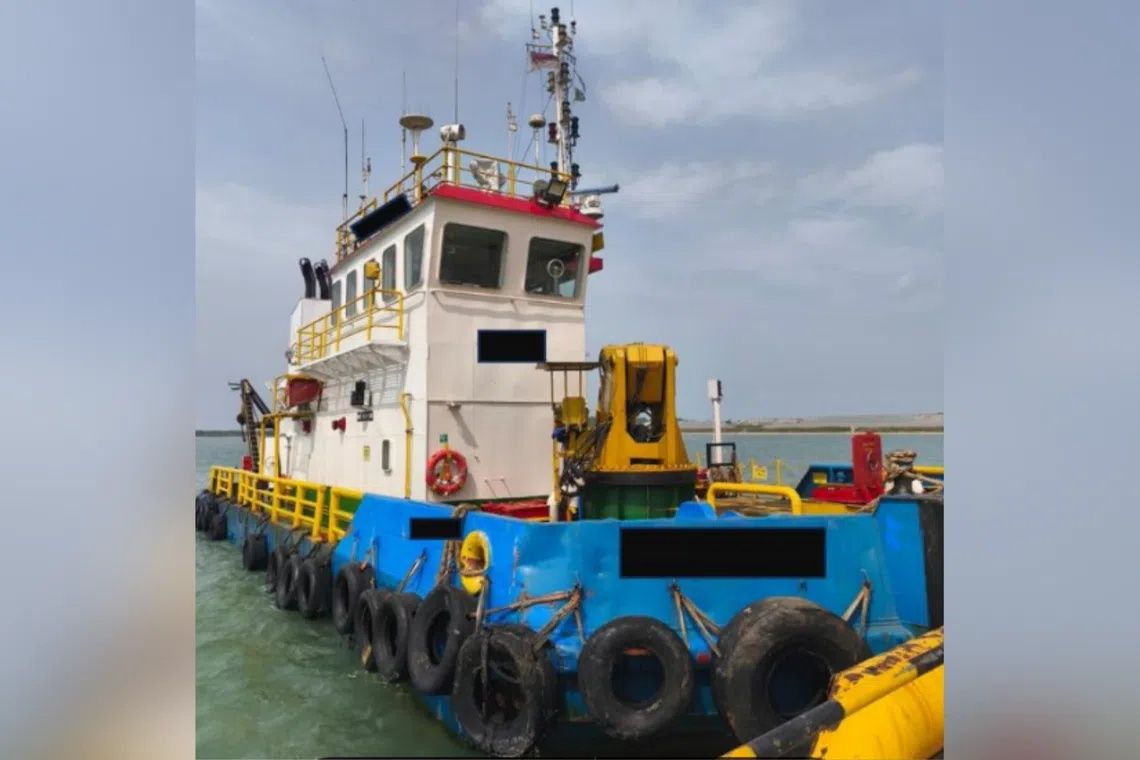
Eight crew members from a Singapore-registered tugboat are facing court proceedings on Friday, August 14, after authorities arrested them for their involvement in an unlawful marine gas oil transaction. The men, whose ages range from 25 to 54 years old, were apprehended during a routine security operation by Police Coast Guard officers patrolling the maritime zone surrounding Tuas in the early hours of August 13, at approximately 1.05am.
The early morning interception marks another enforcement action in Singapore's ongoing effort to combat illicit activity in its territorial waters. What initially appeared to be a standard vessel inspection evolved into a significant investigation when officers discovered evidence of criminal conduct aboard the tugboat. The discovery underscores the vulnerability of maritime operations to internal theft schemes, particularly when crew members exploit their access to valuable cargo and operational procedures.
According to preliminary investigation findings, the detained crew members exploited their positions aboard the vessel to divert marine gas oil valued at approximately S$10,570 from the tugboat's inventory without authorisation from their employer. Rather than maintaining the fuel for legitimate maritime operations, the men subsequently engaged in an illegal transaction by selling the appropriated oil through unofficial channels. The scheme appears designed to generate personal financial benefit at the direct expense of their shipping company.
Marine gas oil (MGO) theft represents a particularly costly problem for the maritime industry across Southeast Asia and beyond. The fuel carries significant commercial value, and its theft from vessels creates cascading operational challenges and financial losses. In the context of Singapore's bustling port environment—one of the world's busiest—such incidents threaten the integrity of supply chains and create security vulnerabilities that can affect multiple stakeholders across the maritime sector.
The legal framework governing this offence carries substantial penalties designed to deter similar misconduct among maritime workers. The men will be prosecuted under the charge of theft by servant of property in possession of master, a statute specifically crafted to address situations where employees betray the trust placed in them by their employers regarding valuable assets. Conviction on this charge can result in both monetary fines and custodial sentences reaching up to seven years, reflecting the severity with which Singapore's legal system treats such breaches of employment trust.
For Malaysian maritime operators and shipping companies with vessels transiting through Singapore waters or conducting business with Singapore-registered entities, this incident provides a cautionary reminder about the importance of rigorous crew screening, internal control procedures, and inventory management protocols. The theft demonstrates how personnel at relatively junior operational levels can orchestrate significant losses if supervisory systems remain inadequate.
Singapore's Police Coast Guard maintains an active maritime security posture, conducting regular patrols and spot-checks across territorial waters to identify irregularities and unlawful conduct. The August 13 intercept exemplifies this enforcement commitment, as officers detected and intervened in criminal activity during what appeared to be a routine inspection. This proactive approach has proven instrumental in maintaining the security of shipping lanes and port operations that remain critical to regional trade flows.
The broader context of maritime fuel theft in Asia reflects significant economic and environmental concerns. Illegal fuel trade networks can compromise product quality, contaminate legitimate supply chains, and create liability issues for companies that unknowingly purchase compromised products. Additionally, fuel theft creates inconsistencies in supply, potentially affecting vessel operations and contributing to maintenance problems if substandard fuel enters the system.
From a regional perspective, coordinated enforcement across Southeast Asian maritime jurisdictions remains essential to address such problems comprehensively. Malaysian authorities, working alongside Singapore and other regional partners, face similar challenges in preventing fuel theft and illegal maritime transactions. Information sharing and coordinated patrols enhance the collective capacity to detect organised schemes that often span multiple jurisdictions.
The incident also highlights the importance of corporate governance and oversight within shipping companies themselves. Companies operating tugboats and other vessels must implement robust systems for monitoring crew conduct, tracking fuel consumption, and maintaining accountability across supply chain operations. Investment in technology solutions, including real-time tracking and automated inventory verification, can reduce opportunities for systematic theft.
For workers in the maritime sector, this prosecution serves as a stark reminder that engaging in theft schemes carries severe legal consequences that extend far beyond immediate employment termination. The potential seven-year prison sentence represents a life-altering consequence that should discourage personnel from participating in illegal transactions, regardless of perceived financial incentives.
As Singapore continues emphasising its position as a global maritime hub, maintaining strict enforcement standards against illicit activities remains integral to its reputation and operational reliability. The commitment demonstrated through consistent patrols and prosecutions helps ensure that Singapore waters remain secure and that legitimate maritime commerce can proceed without disruption from criminal elements operating within the sector.
The forthcoming court proceedings will likely provide further details about the scale and sophistication of the alleged theft scheme, potentially revealing information about the networks through which stolen marine fuel was distributed. Such cases frequently contribute valuable intelligence to maritime security agencies regarding smuggling routes and illegal transaction methodologies, enabling refinement of detection and prevention strategies.

