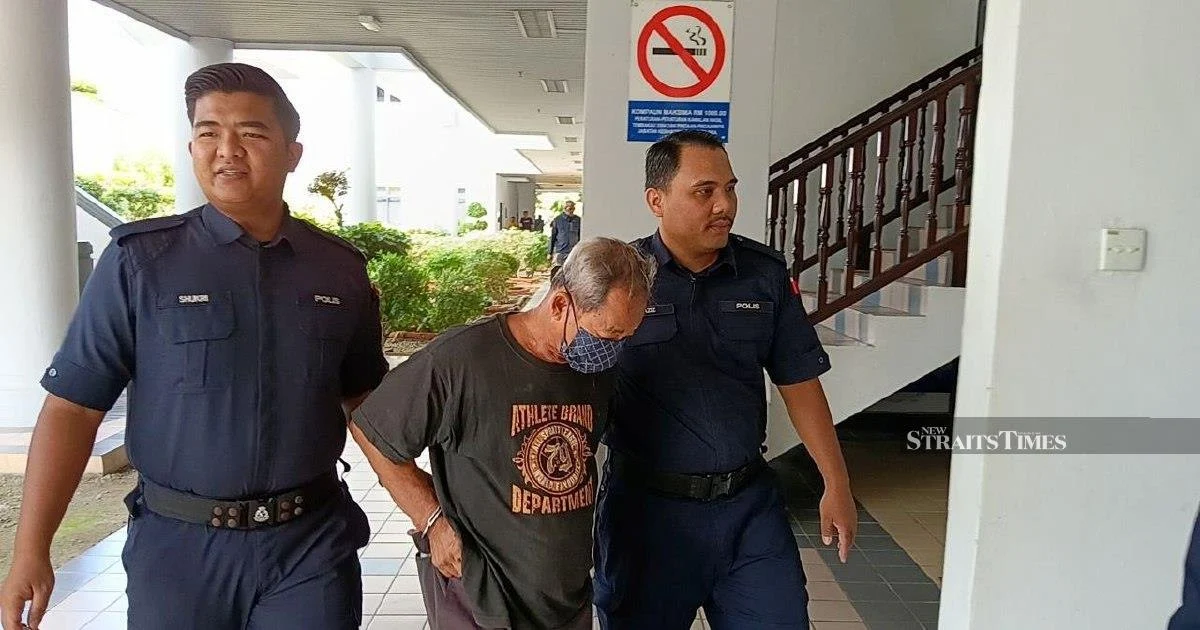
An elderly man made a court appearance in Melaka today to face serious charges relating to alleged sexual assaults on two young schoolchildren. The accused was brought before the Ayer Keroh Sessions Court where he was formally charged with two counts of committing physical sexual assault. The identity and specific details of the accused have been withheld pending court proceedings, though the nature of the charges underscore growing concerns about child safety in community spaces, particularly within religious institutions that are traditionally viewed as safe havens by Malaysian families.
The alleged assaults are understood to have taken place within a storeroom at a mosque, a detail that carries particular significance given the central role mosques play in Malaysian society and the expectation that such facilities operate as secure environments for worshippers of all ages. This incident raises troubling questions about security protocols and supervision in religious establishments, matters that extend beyond this single case to affect broader community confidence in institutional safeguarding measures across the country.
Cases involving alleged sexual misconduct toward minors have increasingly captured public attention in Malaysia, prompting discussions about how different community spaces, from schools to religious institutions, can better protect children in their care. Each reported incident contributes to a broader conversation about vulnerability factors and the effectiveness of existing safeguards. The involvement of a senior citizen as the accused also reflects the diversity of potential perpetrators and challenges conventional narratives about where such risks originate.
The Melaka Sessions Court proceedings represent a critical juncture in ensuring that proper legal processes are followed and that victims' rights are protected throughout the judicial system. Malaysian courts handle such matters with specific provisions under relevant legislation designed to address crimes against children, though the complexity of such cases often extends across psychological, legal, and social dimensions.
Religious organisations across Malaysia have faced increasing scrutiny regarding their internal governance structures and the adequacy of protective mechanisms for vulnerable individuals. Mosques, as public spaces welcoming community members across age groups, require comprehensive security frameworks and clear accountability chains. The incident in Melaka highlights practical gaps that may exist between institutional expectations and on-the-ground realities, particularly in smaller or less-supervised areas within larger facilities.
For Malaysian families, especially those in Melaka and the broader Southeast Asian region, such incidents understandably generate anxiety about children's safety. Parents increasingly question what additional measures they should take to protect their children while participating in religious and community activities that have traditionally been considered wholesome. This erosion of confidence in institutional environments represents an indirect social cost of such allegations, regardless of eventual court outcomes.
The judicial process in Malaysia requires careful handling of cases involving minors as witnesses or complainants, with established protocols designed to minimise secondary trauma. Courts employ special measures for child witnesses and maintain strict confidentiality regarding victim identities. These procedural protections, while important, operate within a broader legal framework that must balance the rights of the accused with the need for thorough investigation and justice for alleged victims.
Community leaders and religious authorities in Malaysia have grown more attentive to safeguarding obligations, recognising that institutional credibility depends partly on demonstrated commitment to protecting vulnerable members. Training for staff, supervision protocols, and clear reporting mechanisms have become topics of increasingly serious consideration. Whether these measures are implemented comprehensively across Malaysia's diverse range of religious and community institutions remains an ongoing challenge.
The charges brought against the elderly man in Ayer Keroh represent the state acting as arbiter in a matter of profound consequence for the affected children and their families. The evidentiary process will determine what occurred and whether the allegations can be sustained to the legal standard required for conviction. Throughout this process, attention must remain focused on ensuring fairness in the proceedings while guaranteeing that the interests of the young alleged victims are meaningfully protected.
For the broader Malaysian community, this case serves as a reminder of the necessity for vigilance and the importance of creating multiple layers of accountability within institutions entrusted with children's welfare. Whether through training, architectural design that minimises unsupervised spaces, or clear reporting channels, communities can work toward environments that make misconduct less feasible and detection more likely. The case also underscores why public awareness campaigns about recognising warning signs of abuse, alongside education for children about appropriate boundaries, remain vital components of child protection strategies across the nation.

