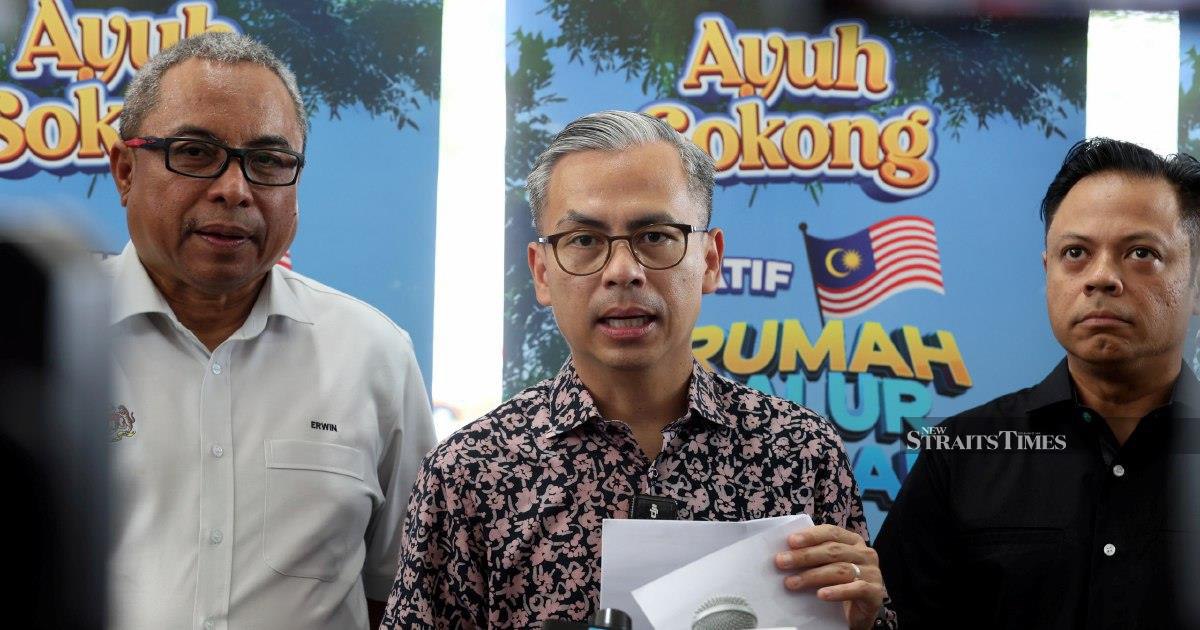
Prime Minister Datuk Seri Anwar Ibrahim has instructed the Election Commission to prepare a fresh assessment of Sarawak's push to add 17 additional state assembly seats, according to government spokesman Datuk Seri Fahmi Fadzil. The directive represents a significant step in addressing the East Malaysian state's longstanding bid to expand its legislative representation within the national parliament structure.
Sarawak's quest for additional parliamentary seats has been a recurring issue in Malaysia's federal dialogue, particularly given the state's geographic spread and growing population centres. The proposal to introduce 17 new seats would substantially alter the electoral landscape in the state, which has traditionally sought greater autonomy and representation commensurate with its size and economic significance.
The Election Commission's role in this matter is purely technical and analytical. The body must examine the constitutional, demographic, and administrative implications of redistributing electoral boundaries to accommodate the new seats. This process involves detailed scrutiny of population distribution across constituencies, accessibility for voters, and alignment with existing electoral frameworks that govern how seats are apportioned across Malaysia's federal structure.
Sarawak occupies a unique constitutional position within Malaysia. Unlike other states, it retains certain reserved powers and has negotiated special arrangements since joining the federation in 1963. These distinctive features mean that any expansion of its parliamentary representation carries implications beyond standard boundary redistricting, potentially touching on issues of federal-state relations and the balance of power in national governance.
The instruction from Anwar Ibrahim suggests that the federal government is actively considering the proposal rather than shelving it indefinitely. Previous reports on this matter may have been incomplete or required updating based on new demographic data or changed circumstances. The preparation of an updated document indicates that serious consideration is being given to moving this proposal forward through the necessary institutional channels.
For Sarawak itself, the potential addition of 17 seats would enhance its voice in federal parliament. Currently, the state holds a fixed number of parliamentary seats, and expanding this allocation would increase its legislative weight on national issues. This has particular relevance for matters affecting resource management, infrastructure development, and economic policies specific to the state's needs and interests.
From a broader Malaysian perspective, any redistribution of parliamentary seats carries significant political consequences. The allocation of seats directly influences which regions and communities have proportionally greater representation in federal decision-making. The proposal has therefore attracted attention from various political actors and stakeholders concerned with maintaining or altering the current balance of power within parliament.
The Election Commission's analysis will likely examine whether Sarawak's population growth since the last delimitation exercise justifies the proposed expansion. Demographic shifts, urbanisation patterns, and the concentration of voters in particular regions all factor into determining whether additional seats are warranted. Modern boundary commissions typically apply standardised criteria to ensure that seat allocation reflects population distribution accurately and maintains reasonable electoral equality across constituencies.
Constitutional amendments may be required to effect this change, particularly if it alters the total number of parliamentary seats or changes the ratio of representation between states. Any such amendments would need to navigate the complex legislative process in parliament, potentially requiring supermajorities depending on which constitutional provisions are affected. The Election Commission's report will provide the technical foundation upon which such political decisions might ultimately rest.
The timing of this instruction reflects the government's current legislative agenda and its capacity to address constitutional matters. With Fahmi Fadzil's public announcement, the administration has signalled transparency about its engagement with Sarawak's concerns, reassuring the state that its proposal is being taken seriously at the highest levels of government. This public commitment may also serve to manage expectations as the technical review proceeds.
Regional implications extend beyond Sarawak itself. Other Malaysian states might view the proposal as a precedent or as a test case for how their own concerns regarding representation might be addressed. The precedent established in handling Sarawak's request could influence future discussions about electoral boundaries and seat allocation across the federation.
The Election Commission's updated report will be a crucial document in determining how this proposal advances. Depending on its findings and recommendations, the path forward may involve further negotiations between the federal government and Sarawak's leadership, consultations with relevant parliamentary committees, and eventually formal legislative action if political will supports the change.

