The Election Commission is moving forward with an in-depth examination of a proposal to establish domestic postal voting mechanisms for eligible voters throughout Peninsular Malaysia, Sabah and Sarawak. The initiative reflects growing recognition within Malaysia's electoral apparatus that voting accessibility and participation rates warrant modernisation across the nation's diverse geographical regions.
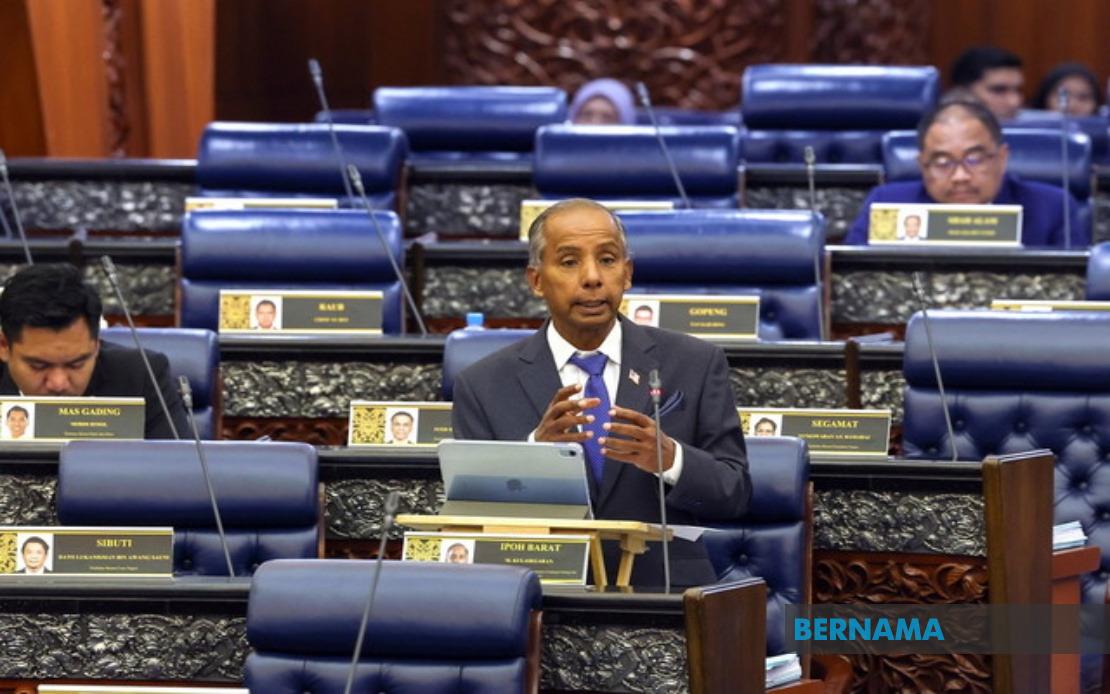
M. Kulasegaran, the Deputy Minister in the Prime Minister's Department (Law and Institutional Reform), confirmed during a recent Dewan Rakyat session that the Electoral Commission is pursuing this comprehensive review. The announcement came in response to a parliamentary query from Isnaraissah Munirah Majilis, the WARISAN representative for Kota Belud, who raised the urgent necessity of reforming electoral processes and extending postal voting privileges nationwide. Kulasegaran indicated that research efforts remain ongoing and substantive findings should materialise by the end of next year.
Central to the Commission's methodology is an extensive stakeholder consultation process that extends beyond bureaucratic circles. Political parties, civil society organisations, and other relevant bodies must be engaged throughout the examination phase before authorities can arrive at definitive conclusions. This inclusive approach reflects international best practice in electoral reform, where buy-in from competing political interests proves essential for successful implementation. The breadth of consultation requirements underscores the complexity inherent in introducing postal voting systems across Malaysia's three geographically and administratively distinct regions.
For Malaysian voters, particularly those in rural and remote areas of Sabah and Sarawak where travel distances to polling stations can span hundreds of kilometres, postal voting represents a potentially transformative development. The system could substantially increase participation rates among voters who currently face practical obstacles during election periods. Students studying abroad, migrant workers, and individuals with mobility challenges would similarly benefit from such an arrangement, addressing a long-standing barrier to democratic engagement that has become increasingly salient in modern Malaysia.
Beyond the postal voting initiative, the government has demonstrated receptiveness to another significant electoral reform proposal. Kulasegaran indicated that the administration stands prepared to examine a suggestion that the Election Commission's governance structure be repositioned within Parliament's purview rather than remaining under the Prime Minister's Department. This potential reorganisation carries profound implications for institutional independence and the separation of powers. Moving the EC outside the executive branch could enhance public confidence in the impartiality and autonomy of electoral processes, a consideration that resonates throughout Southeast Asia's democratic communities where concerns about executive influence over electoral institutions remain prevalent.
The Deputy Minister characterised the parliamentary proposal regarding EC independence as meritorious and worthy of serious consideration. He signalled that the matter would be forwarded to appropriate government entities for formal evaluation and eventual decision-making. Such acknowledgment, while non-committal, suggests genuine momentum behind electoral governance reforms that extend beyond voting accessibility to encompass institutional architecture itself.
A separate matter raised during parliamentary proceedings concerned enforcement of existing prohibitions on mobile telephone usage within polling stations. Questions had been raised about whether current oversight mechanisms sufficiently deter voter-related violations during elections. However, the Election Commission has expressed confidence that its established control procedures remain adequate for maintaining polling integrity. The Commission has determined that no amendments to enforcement protocols are deemed necessary at present, nor does it intend to designate mobile phone usage as a distinct offence under the Election Offences Act 1954.
This multi-layered approach to electoral modernisation reflects Malaysia's incremental progression toward enhanced democratic governance. The examination of postal voting systems responds to practical necessities arising from Malaysia's geographic diversity and dispersed populations, while the consideration of institutional repositioning addresses structural questions about democratic accountability and neutrality. Such reforms, when eventually implemented, would position Malaysia as an evolving example of electoral system development within the Southeast Asian region.
The timeline extending into next year provides substantial opportunity for thorough assessment and broad-based consultation. International comparative research on postal voting systems, examination of technical infrastructure requirements, and detailed costing analyses will inform the Commission's eventual recommendations. Political party engagement remains critical, as opposition from significant parliamentary representatives could impede implementation regardless of technical feasibility. The coming months will therefore determine whether Malaysia transitions toward a more accessible and inclusive electoral framework that better accommodates the nation's contemporary demographic and geographic realities.

