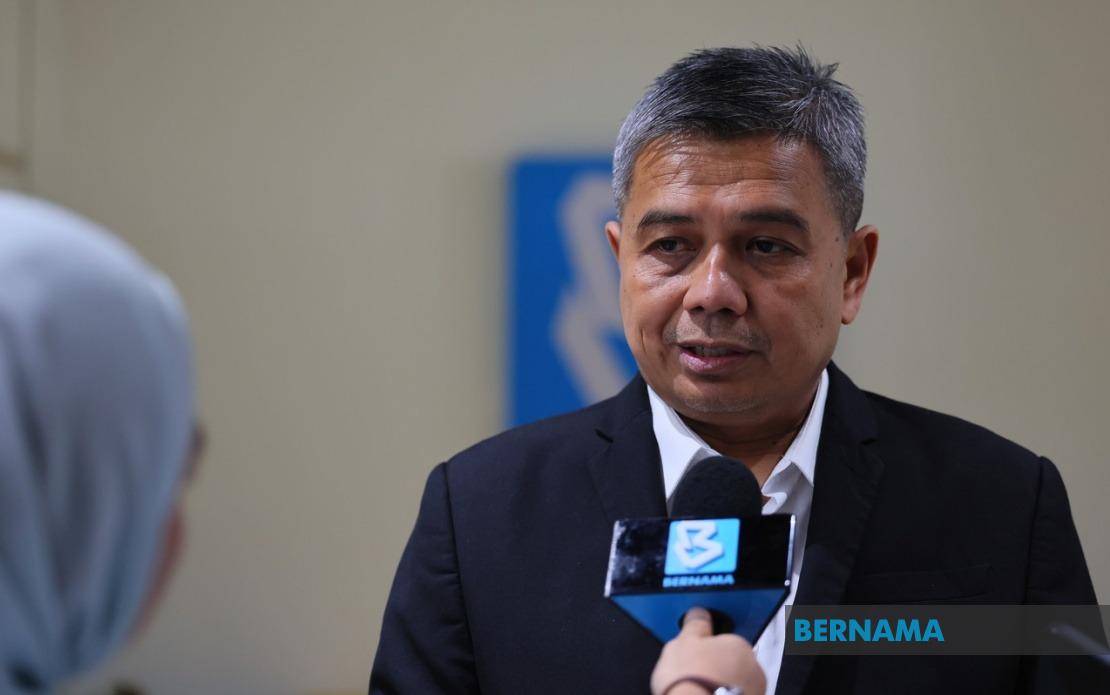
The Election Commission has issued formal guidance to candidates preparing for the upcoming Negeri Sembilan state election, emphasizing the importance of proper documentation and advance preparation ahead of Saturday's nomination filing deadline. In a statement released on Monday, EC secretary Datuk Khairul Shahril Idrus outlined a series of procedural requirements designed to streamline the nomination process and prevent last-minute complications that could disqualify candidates from the race.
Candidates are strongly encouraged to submit their nomination forms for preliminary review by either the Returning Officer's Office or the Negeri Sembilan State Election Office before they formally lodge their papers on nomination day. This advance verification step offers an opportunity to identify and correct errors or omissions that might otherwise result in rejection, a particularly critical safeguard given the tight timeline between nomination and the August 1 polling date. The EC's recommendation reflects lessons learned from previous electoral cycles, where hasty or incomplete submissions have occasionally derailed campaigns at crucial moments.
Payment of the election deposit represents another key procedural element that candidates must address with adequate time. Rather than waiting until nomination day to settle this financial obligation, the EC has advised prospective candidates to complete payment well in advance and retain their payment receipts as proof of settlement. This approach reduces congestion at nomination centres and provides candidates with documentary evidence to present during the formal filing process, minimising administrative friction at what is typically a high-volume event.
For candidates representing political parties, an additional requirement mandates submission of an authorisation letter permitting use of the party's official symbol on ballot materials. This documentation must accompany the nomination papers when candidates file on Saturday, making it essential that party officials and candidates coordinate this element beforehand. The requirement underscores the regulatory framework governing electoral symbols and ensures that only properly authorised representatives can campaign under party insignia.
Nomination papers will be accepted across eight designated nomination centres throughout Negeri Sembilan during a compressed two-hour window from 9 am to 10 am on Saturday, July 18. Candidates have flexibility regarding who physically submits the papers—the candidate, proposer, and seconder may attend together, or any combination of these individuals may present the documentation. This flexibility accommodates circumstances where nominees cannot personally attend, though it places responsibility on representatives to ensure complete and accurate submission.
The Election Commission's statements make explicit reference to the Election Offences Act 1954 and relevant local authority bylaws, reminding all participants that election campaign material deposits trigger legal obligations. These provisions establish a clear framework governing campaign conduct and financial accountability, with violations potentially resulting in significant penalties. The emphasis on legal compliance suggests the EC is preparing for an election cycle where adherence to regulatory standards will be rigorously monitored.
Coordination between multiple agencies features prominently in the EC's messaging, with references to cooperation with local authorities and the Royal Malaysia Police. This multi-institutional approach reflects the complexity of managing state elections across numerous constituencies and the need for seamless coordination between election officials, municipal bodies, and law enforcement agencies. Candidates and parties are explicitly called upon to comply with directives from all these bodies, establishing clear expectations for behaviour throughout the nomination and campaign periods.
The Negeri Sembilan State Legislative Assembly comprises 36 seats, and the state assembly was officially dissolved on June 5 following consent from Tuanku Muhriz Tuanku Munawir, the Yang Dipertuan Besar of Negeri Sembilan. This formal dissolution triggered the electoral timeline that culminates in the August 1 polling date. Early voting has been scheduled for July 28, providing opportunities for voters unable to participate on the main polling day and offering the EC a preliminary assessment of turnout patterns.
The compressed timeframe between nomination day and polling day creates significant pressure on all participants. With only fourteen days separating the nomination deadline from voting, candidates have minimal time to conduct constituency-level campaigning, organise volunteer networks, and mobilise supporters. This tight schedule amplifies the consequences of nomination day errors, as remedying disqualifications or administrative oversights becomes virtually impossible given the abbreviated timeline. The EC's emphasis on advance preparation and form verification directly addresses these time-pressure concerns.
For Malaysian electoral observers, the Negeri Sembilan election represents an important mid-term assessment of political sentiment in one of the nation's smaller states. The contest occurs against a backdrop of shifting political alignments at the federal and state levels, and results may foreshadow broader electoral trends affecting the region. The election also provides an opportunity to evaluate implementation of election management procedures in a state-level contest, offering insights into administrative readiness for potential federal elections.
The procedural guidance issued by the Election Commission reflects international best practices in election administration, emphasizing transparency, advance notice, and clear documentation requirements. By providing detailed instructions well before nomination day, the EC seeks to reduce confusion and disputes that could undermine public confidence in the electoral process. For candidates and parties, strict adherence to these requirements represents both a legal obligation and a practical necessity for ensuring their participation in what promises to be a closely contested election.

