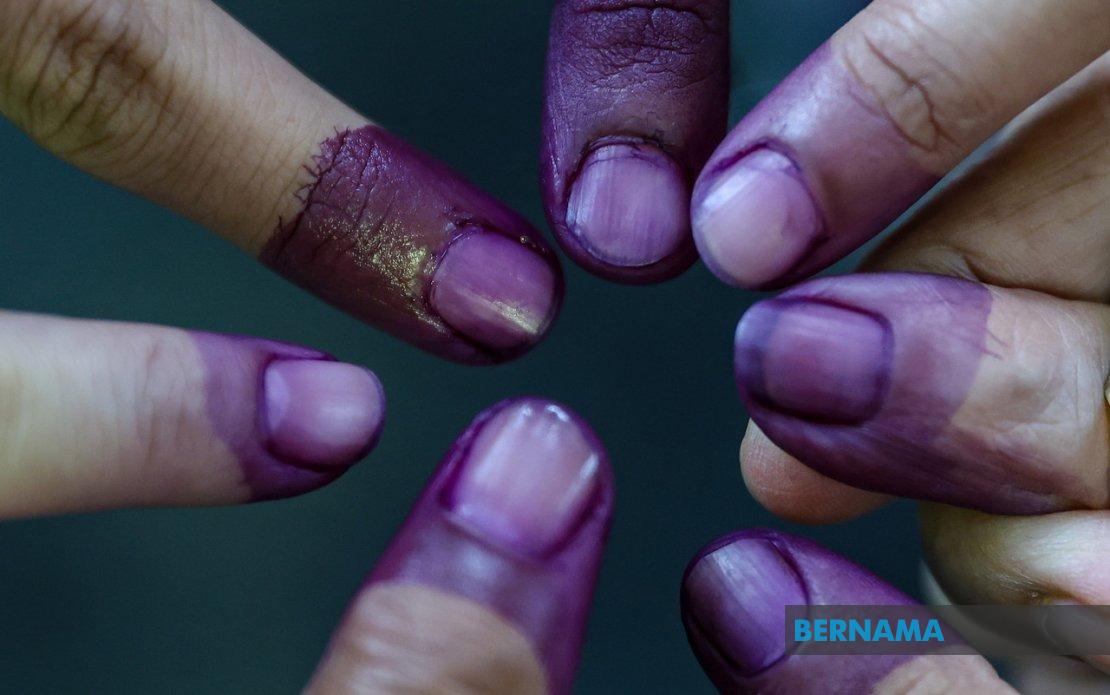
Voting in Johor's 16th state election took on an unexpected commercial dimension on July 11, as the indelible purple mark traditionally signifying democratic participation doubled as a discount coupon. Across the state, participating food and beverage outlets transformed the ink-stained index finger—a symbol of electoral integrity—into what voters quickly dubbed a "reward pass," blending civic duty with consumer gratification in a novel election day experience.
The phenomenon emerged organically as major chains recognised an opportunity to celebrate voter participation whilst driving footfall on a historically busy day. The Coffee Bean & Tea Leaf led the promotional charge, extending a 20 per cent discount on selected items exclusively to customers who displayed their marked finger. Krispy Kreme followed suit, reducing the price of an Original Glazed doughnut to just RM2 for ink-bearing voters at participating Johor outlets, subject to stock availability. These offers created a cascade of voter migration to commercial establishments immediately after leaving polling stations, photographs of which quickly saturated social media platforms by mid-morning.
Other establishment chains contributed their own incentives to the day's festivities. Burger King sweetened the proposition with complimentary Soft Serve Cone ice cream accompanying any set meal purchase, extending the promotion through the following day to capture late voters. Marrybrown complemented its local market positioning by bundling a free piece of fried chicken with purchases of its MB Combo meal for voters presenting their electoral mark. Though individually modest in monetary value, the cumulative effect of these staggered promotions generated sufficient enthusiasm to reshape the typical election day experience into something approaching a civic celebration blended with commercial opportunity.
The social media amplification of these deals proved as significant as the promotions themselves. Johor voters, particularly younger demographics active on digital platforms, shared images and details of their "reward stops" throughout the day, inadvertently creating organic marketing for participating brands whilst simultaneously documenting their own democratic participation. This digital sharing reinforced the festive atmosphere and encouraged others to engage with both the electoral process and the participating businesses, creating a virtuous cycle of engagement that transcended traditional election day formality.
The indelible ink itself carries deeper historical and administrative significance beyond today's commercial applications. The Election Commission first introduced the marking system during the 2013 Kuala Besut by-election as a procedural safeguard against duplicate voting and to enhance electoral integrity. The purple pigment's permanent nature—remaining visible for several days—created a visible audit trail that complemented the formal voter register, making systematic fraud operationally more difficult. Over the past decade, the marking system has become standardised across Malaysian elections, evolving from purely administrative tool to an instantly recognisable symbol of civic participation that commercial enterprises could credibly leverage.
The 16th Johor state election itself commanded extraordinary national attention, with more than 2.6 million eligible voters participating across the peninsula's second-most populous state. The Legislative Assembly's 56 contested seats represented a significant concentration of political power, making Johor outcomes consequential for the broader national political balance. The candidate field reflected Malaysia's fractionalised political landscape, with 172 contenders representing eight distinct political formations alongside independent candidates, indicating both ideological diversity and the challenges voters faced in navigating increasingly crowded choice sets.
The major coalitions—Pakatan Harapan and Barisan Nasional—each fielded complete slates of 56 candidates, effectively committing to comprehensive statewide coverage and signalling confidence in their respective platforms. Perikatan Nasional's 33 candidates positioned it as a substantial alternative force capable of contesting multiple seats whilst maintaining selective positioning. Smaller entities including Parti Bersama Malaysia (15 candidates), MUDA (four), and single-candidate representations from Parti Orang Asli Malaysia and Parti Sosialis Malaysia reflected niche political constituencies and single-issue advocacy. Six independent candidates completed the field, representing local personalities attempting to leverage personal rather than party-affiliated platforms.
This fragmentation of candidate supply created strategic complexity for Johor voters attempting to assess individual qualifications and platform alignment across a crowded ballot. The promotional activity centred on the ink mark, whilst commercially motivated, inadvertently reinforced the democratic process itself by celebrating participation regardless of voting preference or coalition support. The offers functioned as non-partisan recognition of civic engagement, appealing to voters across the ideological spectrum and transforming what might ordinarily constitute a solitary act into a communal celebration.
The spontaneous emergence of this "election day commerce" phenomenon reflects broader Malaysian commercial adaptability and the business sector's sensitivity to consumer sentiment around significant national events. Rather than treating electoral days as operational disruptions, participating chains recognised opportunities to align brand values with civic participation narratives, positioning themselves as stakeholders in Malaysia's democratic health. The modest discounts served primarily as incentives for visibility and goodwill generation rather than margin-eroding loss leaders, representing calculated brand investment in association with voter mobilisation.
Looking beyond the festive surface, the integration of commercial activity into the electoral experience raises subtle questions about the messaging environment surrounding voting. When sustenance and reward become associated with ballot casting, even symbolically, the psychological framing of electoral participation shifts subtly from obligation toward benefit. For Malaysia's younger voters particularly—those most active on social media and most receptive to promotional messaging—the normative association between voting and immediate gratification may reinforce civic engagement patterns during future electoral cycles. The phenomenon, however inadvertent, demonstrates how commercial incentives can amplify participation messaging and may merit consideration by electoral administrators contemplating voter mobilisation strategies beyond traditional campaigning.
The 2024 Johor state election's commercial dimension ultimately reflected a specific convergence of factors: a politically significant election, major business chains seeking relevance to statewide events, and a voter demographic primed to document and share their experiences digitally. Whether such organic promotional integration becomes a recurring feature of future Malaysian elections or remains a singular occurrence tied to Johor's particular commercial dynamism remains uncertain. Regardless, the ink-stained fingers visible across Johor on July 11 carried meanings beyond their original electoral integrity function, embodying instead a distinctly contemporary Malaysian experience where civic duty and consumer culture intersected on polling day.

