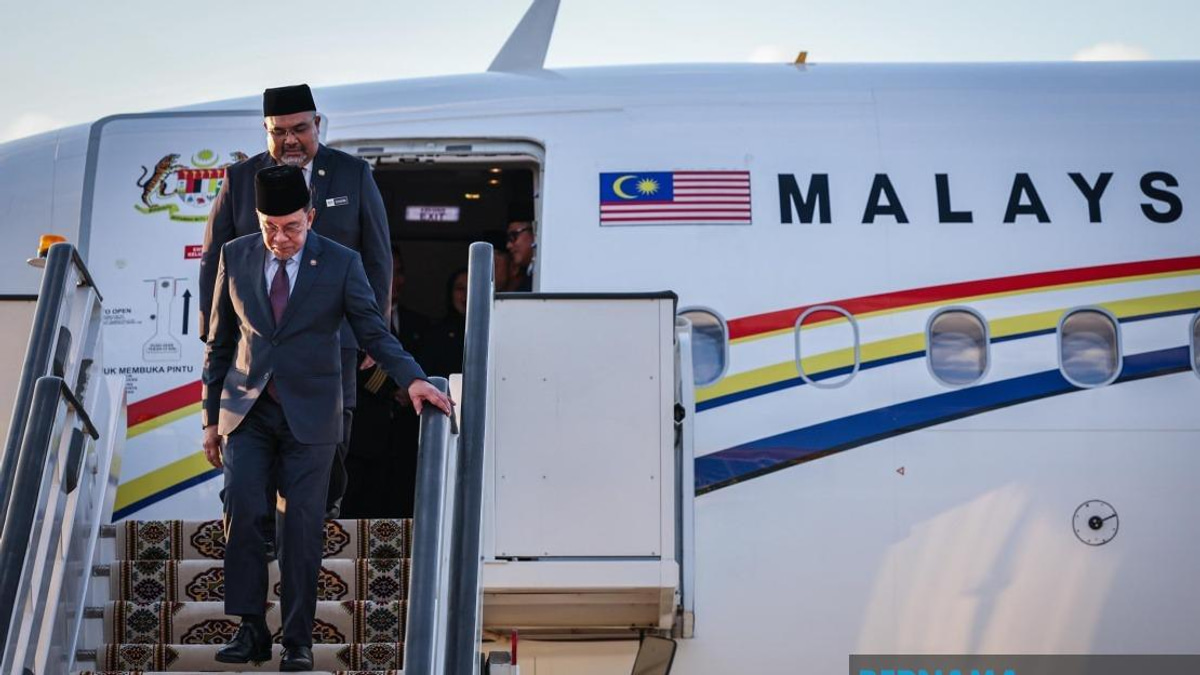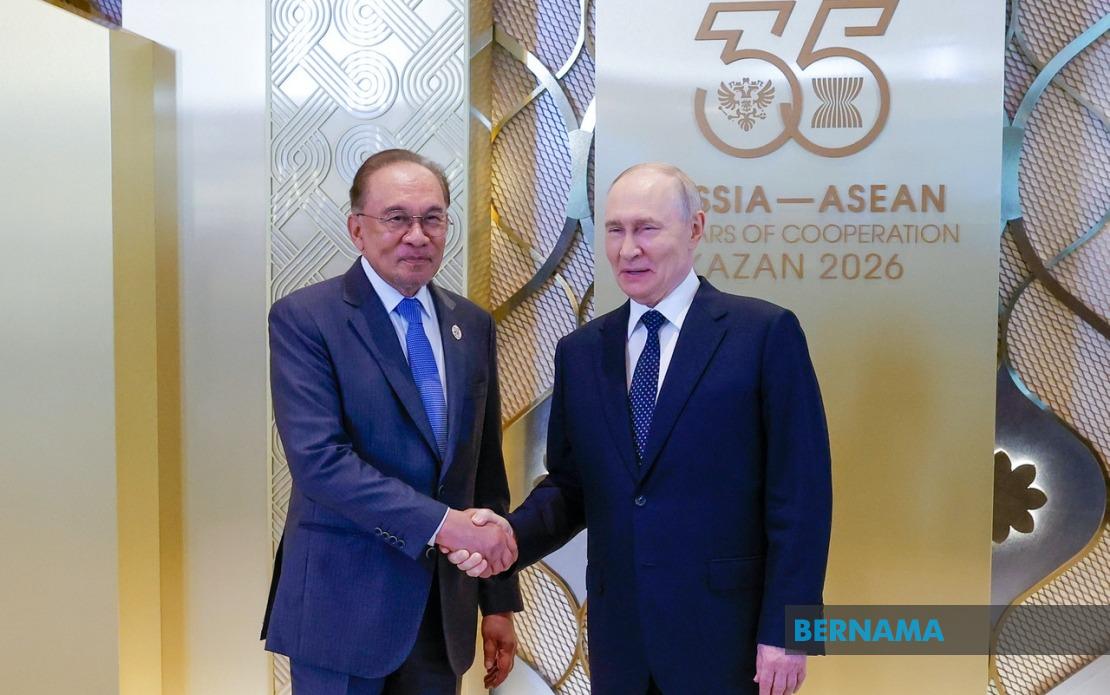
Prime Minister Datuk Seri Anwar Ibrahim has emphasized that in an increasingly complex global landscape marked by multiple challenges and unpredictability, formal platforms for dialogue between nations serve as essential mechanisms for deepening mutual comprehension and strengthening bilateral relationships. Speaking at the ASEAN-Russia Commemorative Summit in Kazan, Anwar highlighted how structured engagement channels help countries navigate shared concerns while identifying pathways toward cooperation that can benefit all parties involved.
Attending the summit in his dual capacity as Prime Minister and Finance Minister, Anwar participated in a gala dinner hosted by President Vladimir Putin, an event designed to bring together regional and international leaders for substantive discussions. He characterized such gatherings as invaluable opportunities for building the trust necessary to address transnational issues and explore collaborative ventures that generate tangible advantages for member states.
The Malaysian leader stressed that these diplomatic engagements transcend mere ceremonial functions. Rather, they provide structured forums where leaders can engage in candid exchanges of perspectives, establish personal rapport, and work toward identifying common ground on matters of regional and global significance. For ASEAN nations, which operate within a diverse geopolitical environment, such platforms offer critical opportunities to articulate regional interests and participate actively in shaping outcomes that affect Southeast Asian security and prosperity.
According to Anwar, the ASEAN-Russia Commemorative Summit exemplified this principle by combining cultural and historical elements with substantive political dialogue. The event served to showcase Russia's multifaceted heritage while simultaneously creating a conducive atmosphere for leaders to strengthen existing friendships and forge new connections. This blending of cultural diplomacy with strategic engagement reflects a sophisticated understanding of how nations can build enduring relationships that extend beyond transactional interests.
The summit itself, held from June 17 to 18 in Kazan, the capital and largest city of Russia's Tatarstan republic, represents an important milestone in ASEAN-Russia relations. The commemorative nature of the gathering suggests recognition of the historical trajectory of engagement between the regional bloc and the Russian Federation, while also signaling commitment to evolving that relationship in light of contemporary regional dynamics.
For Malaysia specifically, participation in such high-level forums allows the government to position the country as an active stakeholder in regional stability and development. Anwar's presence and his articulation of the value of these platforms underscore Malaysia's continued commitment to maintaining constructive relationships across diverse geopolitical alignments, a position that has historically characterized Malaysian foreign policy.
The emphasis on mutual understanding carries particular significance in Southeast Asia, where member states maintain varying relationships with major powers including Russia, China, and the West. ASEAN's traditional policy of non-alignment and its emphasis on dialogue as a mechanism for conflict resolution make such engagement summits especially important for maintaining the regional consensus that underpins ASEAN's collective voice and effectiveness on the international stage.
Anwar's remarks also reflect broader Malaysian strategic thinking regarding the importance of maintaining open channels of communication even amid geopolitical tensions. By highlighting how engagement platforms facilitate trust-building and cooperation, the Prime Minister articulates a vision of international relations grounded in dialogue rather than confrontation, an approach that aligns with Malaysia's longstanding advocacy for peaceful resolution of disputes.
The participation of ASEAN leadership at this commemorative summit carries additional significance given the evolving security landscape in the Indo-Pacific region. As regional powers adjust to shifting global dynamics, the maintenance of functional diplomatic channels and genuine engagement becomes increasingly critical for preventing misunderstandings and ensuring that competition between major powers does not destabilize Southeast Asia.
Moreover, the focus on exploring areas of cooperation reflects practical recognition that ASEAN and Russia have mutual interests in several domains, from trade and investment to cultural exchanges and security cooperation. The summit provides opportunity to identify specific initiatives that could deepen these ties while respecting each nation's strategic autonomy and commitment to existing partnerships.
The Malaysian government's emphasis on these engagement platforms also carries domestic political significance, demonstrating to Malaysia's population the active role their leaders play in regional and international affairs. By articulating clearly how such diplomacy serves national interests and contributes to regional stability, Anwar helps build public understanding of the importance of sustained engagement with diverse international partners.
Looking forward, the model exemplified by the ASEAN-Russia Commemorative Summit may offer templates for how Southeast Asian nations can strengthen relationships with other major powers while maintaining the balanced, inclusive approach that has characterized ASEAN's diplomatic tradition. In a world where regional powers compete for influence, such platforms provide space for dialogue that can prevent rivalry from escalating into conflict.