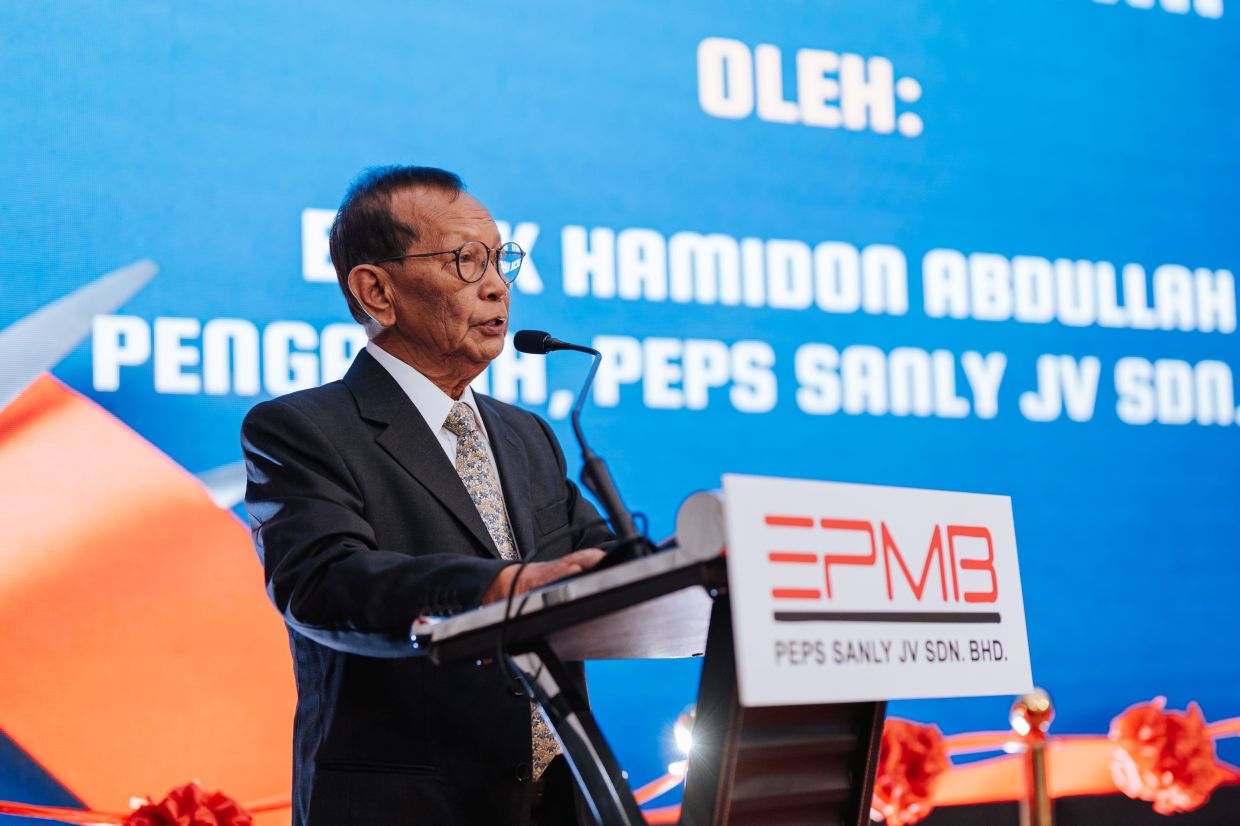
Electronics and Precision Manufacturing Berhad (EPMB) has activated a new automotive components plant in Tanjong Malim, marking a significant expansion in the company's longstanding partnership with national carmaker Proton. The facility, which began full operations in October 2025, represents a strategic investment in localising the production of critical chassis systems that underpin Proton's current and future vehicle lineup.
The manufacturing plant, spanning 9,909 square metres within the Automotive High Technology Valley (AHTV) industrial zone, is operated through Peps Sanly JV Sdn Bhd—a collaboration between EPMB and China-based Sanly Auto Parts Co Ltd established in February 2025. This partnership structure reflects a deliberate strategy to anchor Chinese manufacturing expertise and supply chain capabilities within Malaysia's automotive ecosystem, particularly as the industry navigates regionalisation and cost competitiveness pressures.
With a monthly production target of 40,000 car sets, the facility is designed to deliver up to 480,000 complete sets annually. The output will encompass front corner modules, subframe assemblies, and rear axle module systems destined for multiple Proton models spanning different market segments and powertrains. Current production feeds into the AMA01-based Saga, the Persona mid-range offering, and the popular Iriz city hatchback, while also preparing capacity for the forthcoming AMA02 and AMA05 platforms that represent Proton's next generation of vehicles.
For Malaysian automotive observers, this development carries particular significance given Proton's ambitious targets for regional market penetration and its commitment to integrating electric vehicle technology. The localisation of chassis components—historically sourced from overseas suppliers—reduces Proton's import dependency and shortens supply chains vulnerable to disruption. By concentrating these critical modules in Malaysia rather than importing finished assemblies, the arrangement enhances supply security whilst potentially lowering landed costs across the manufacturer's portfolio.
EPMB executive chairman Hamidon Abdullah framed the collaboration as a gateway to international manufacturing standards and operational practices. Through Sanly's established relationships with Geely Holding and other major Chinese original equipment manufacturers, EPMB gains access to proven metalworking techniques, assembly methodologies, and automotive chassis engineering systems developed within one of the world's largest automotive markets. This exposure to China's competitive manufacturing ecosystem allows the Malaysian company to adopt efficiency gains and quality disciplines that benefit not only Proton but potentially other domestic and regional customers.
The cost dimension warrants close examination for Malaysian industrial competitiveness. By tapping Sanly's supply chain architecture and benefiting from Chinese manufacturers' economies of scale, EPMB can deliver chassis assemblies to Proton at substantially improved price points compared to traditional overseas sourcing routes. This cost advantage proves crucial as Proton attempts to maintain competitive pricing in regional markets whilst simultaneously absorbing the higher component costs associated with electrification—a dual challenge facing most automakers in Southeast Asia.
The four-decade relationship between EPMB and Proton provides historical context for this expansion. EPMB has served as Proton's preferred local supplier across multiple generations of vehicles, building institutional knowledge about the national carmaker's engineering standards, quality expectations, and production requirements. The partnership's longevity underscores mutual trust and performance reliability—factors that influenced Proton's decision to entrust EPMB with expanded responsibility for critical structural and suspension components rather than fragmenting supply across multiple vendors.
Proton's broader strategic imperatives align directly with this facility's launch timing and capacity profile. The national automaker has publicly committed to regional expansion beyond Malaysia's saturated domestic market, targeting growth in Southeast Asia, Australia, and Middle Eastern territories. Additionally, Proton's electrification roadmap—announced as a priority alongside combustion engine vehicle development—requires supply chain partners capable of supporting multiple powertrain architectures simultaneously. A domestic supplier with flexible, high-volume capacity proves invaluable when managing the transition from conventional to electric platforms.
The location within AHTV reflects deliberate ecosystem positioning. This specialised industrial zone concentrates automotive manufacturing expertise, technical services, and parts suppliers, facilitating the integration and clustering effects that characterise successful global automotive hubs. EPMB's presence alongside other component manufacturers and engineering services strengthens the entire cluster's competitive position and reduces logistics costs through geographical proximity to other suppliers and assembly operations.
Regional implications extend beyond the immediate Proton relationship. Malaysia's automotive supply chain has historically struggled with limited domestic capacity for complex chassis systems, often forcing automakers to import from Thailand, Indonesia, or overseas. EPMB's expanded capability potentially attracts other regional manufacturers seeking alternative sourcing options, diversifying Malaysia's role within broader Southeast Asian automotive networks and reducing concentration risk around individual customers.
The Sanly partnership also signals shifting dynamics within Southeast Asian manufacturing. Rather than competition between Malaysian and Chinese suppliers, this arrangement demonstrates how Malaysian companies can leverage Chinese manufacturing expertise and cost structures to strengthen regional competitiveness. This model—joint ventures anchoring foreign technical knowledge within local operations—increasingly characterises how Southeast Asian nations position themselves within global automotive value chains.
Hamidon's emphasis on quality assurance alongside cost efficiency addresses a persistent concern among Malaysian automotive suppliers: the perceived tension between competitive pricing and product reliability. By framing the partnership as enhancing both dimensions simultaneously, EPMB signals confidence that Chinese manufacturing practices, properly integrated, elevate rather than compromise Malaysian supply chain performance. This positioning proves essential for attracting customers hesitant about perceived quality trade-offs associated with Chinese suppliers.
Looking forward, the facility's design with 480,000 annual capacity suggests confidence in sustained demand growth from Proton's vehicle portfolio. The scale also provides buffer capacity for potential supply to other customers, particularly within the ASEAN region where multiple manufacturers source components locally. The investment's success ultimately depends on Proton's sales performance in new markets and the uptake of upcoming platforms like the AMA02 and AMA05—factors influenced by consumer preferences, regional competition, and broader economic conditions across EPMB's target geographies.

