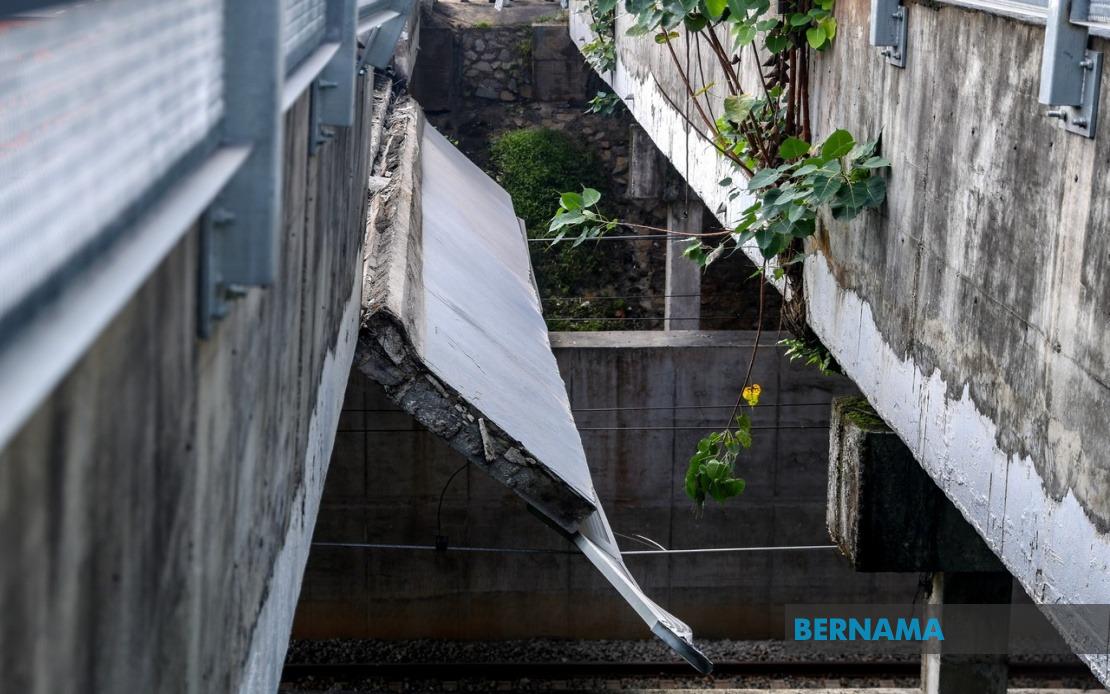
The Electric Train Service (ETS) network serving Johor's busy transport corridor experienced significant operational challenges following a collision involving a heavy goods vehicle on the Kulai-Kempas Baru rail track. Keretapi Tanah Melayu Berhad (KTMB) swiftly implemented contingency measures to minimise passenger inconvenience, deploying shuttle bus services between JB Sentral, Kempas Baru, and Kulai stations to bridge the disrupted rail segment and maintain connectivity for travellers destined for various inland and cross-border destinations.
The incident, which unfolded in the early hours of the morning, rendered three major ETS services temporarily unable to operate on their scheduled routes. ETS 9442 connecting JB Sentral to Padang Besar, ETS 9524 linking JB Sentral with KL Sentral, and ETS 9326 serving the JB Sentral-Butterworth corridor all fell victim to the transport interruption. Each of these services carries substantial passenger volumes, particularly among commuters and long-distance travellers, making the disruption a matter of significant concern for the travelling public across the peninsular rail network.
The underlying cause of the service interruption stemmed from structural damage to critical rail infrastructure. A fallen concrete parapet structure came into contact with the overhead line (OHL) system that powers the electric trains, compromising the electrical supply mechanism essential for train operations. This type of damage presents complex restoration challenges, as both the physical infrastructure and the sensitive electrical systems require careful assessment and repair before trains can safely resume full operations.
KTMB's contingency response prioritised passenger welfare by offering multiple options to affected travellers. Those willing to continue their journeys could utilise the shuttle bus system to bypass the affected track section, transferring at Kulai Station to resume their ETS journey to their intended destinations. Alternatively, passengers choosing not to continue were entitled to full refunds, with KTMB staff stationed throughout the affected stations to provide guidance and process refund requests. This two-pronged approach acknowledged both the practical needs of time-sensitive travellers and the circumstances of those for whom the delays rendered their journeys impractical.
The Shuttle Selatan regional bus service, which operates regional routes in southern Johor, experienced partial operational impacts. The Pasir Gudang-JB Sentral-Pasir Gudang service and Kempas Baru-JB Sentral-Kempas Baru service continued functioning normally, providing alternative connectivity for commuters in those corridors. However, the Kulai-Kempas Baru-Kulai shuttle route, which would have provided direct support to ETS passengers on the disrupted rail line, was suspended due to the severity of the incident and the scope of ongoing restoration activities at the crash site.
The removal of the damaged concrete structure represented the most pressing operational bottleneck. KTMB had engaged Transmare-Chemie (M) Sdn Bhd, the company operating the vehicle involved in the incident, to arrange for a 120-tonne crane capable of safely lifting and removing the fallen parapet. Early on the morning following the crash, the lorry company indicated that securing this specialised equipment was still in progress, with anticipated availability for commencement of lifting operations around mid-morning. The heavy lifting equipment requirement underscores the substantial structural damage inflicted and the technical precision necessary for safe removal without exacerbating damage to the rail infrastructure or OHL system.
KTMB's restoration framework demanded multiple sequential steps before the resumption of normal train operations. Beyond merely removing the concrete obstruction, comprehensive technical inspections of both the track infrastructure and overhead electrical systems had to be completed. Safety clearance certification, issued following successful inspections, would serve as the definitive prerequisite for authorising resumption of train services. This methodical approach, while extending the disruption period, reflects standard railway safety protocols designed to prevent recurrence of similar incidents and ensure passenger and infrastructure security.
The incident represents the second consecutive day of service interruptions on this critical Johor rail corridor. The preceding day had witnessed delays to both Shuttle Selatan and ETS services when a separate incident involved a lorry transporting flammable liquid that skidded near the rail line, causing a power supply disruption. The proximity of these two incidents within 24 hours raised questions about road safety management near the railway corridor and the vulnerability of the rail infrastructure to vehicular incidents occurring in adjacent areas.
The Kulai-Kempas Baru section holds substantial operational importance within Malaysia's southern transport network. The three affected ETS services collectively serve major population centres and cross-border travel routes, making the disruption consequential for business travellers, international commuters, and daily passengers reliant on these connections. The incident's impact extended beyond immediate passengers to encompassing broader logistics, business continuity, and regional transport reliability considerations that resonate throughout southern peninsular Malaysia and into neighbouring Singapore.
KTMB's restoration coordination involved multiple stakeholders beyond its own operational teams. The transport operator worked alongside the responsible transport company, site authorities, electrical system specialists, and safety inspection bodies to orchestrate an efficient recovery. This multi-agency coordination model, while sometimes perceived as bureaucratically cumbersome, remains essential for maintaining safety standards and preventing shortcuts that could compromise long-term infrastructure integrity. The unpredictable nature of restoration work duration—dependent upon crane availability, weather conditions, and inspection findings—meant passengers faced uncertainty regarding exact resumption timeframes.
The broader implications of such disruptions merit consideration within Malaysia's evolving transport infrastructure strategy. Incidents occurring at the intersection of road and rail corridors highlight the importance of comprehensive transport corridor planning that accounts for vehicular traffic management, protective barriers, and contingency protocols. As the nation develops increasingly integrated transport networks and higher-speed rail systems, minimising vulnerability to road vehicle incursions becomes increasingly critical for service reliability and passenger safety.

