The European Union has mobilised emergency financial support totalling €2.1 million to assist Colombia in the aftermath of a devastating 7.4 magnitude earthquake that struck the country earlier this week, resulting in at least 181 fatalities. The decision reflects the bloc's commitment to providing swift humanitarian relief in response to major natural disasters affecting its international partners, demonstrating the multilateral approach to crisis management that characterises EU foreign policy.
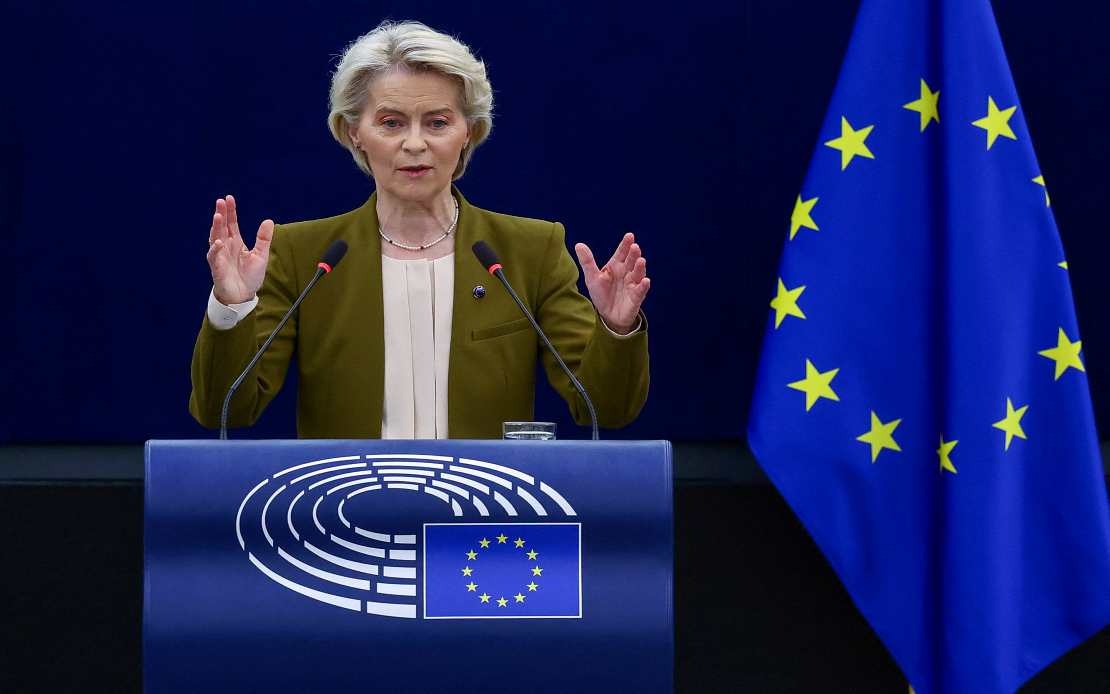
European Commission President Ursula von der Leyen announced the assistance package on Wednesday, emphasising that the EU stands ready to support Colombia as search and rescue operations continue across affected regions. The statement underscored the importance of coordinated international response during critical phases of disaster recovery, when immediate action often determines the difference between successful rescue outcomes and further tragedy. Von der Leyen's announcement signals that Brussels views the earthquake as a significant humanitarian emergency warranting rapid institutional engagement.
The €2.1 million assistance package targets the most pressing needs identified in earthquake-affected areas. The funds will facilitate the distribution of essential health supplies, clean water provision, sanitation infrastructure, and hygiene materials critical to preventing disease outbreaks in the chaotic aftermath of seismic events. Additionally, the support encompasses shelter materials, emergency food rations, and protective equipment for vulnerable populations, reflecting a comprehensive understanding of disaster response priorities that extends beyond immediate rescue operations to address medium-term survival needs.
The European Commission had already demonstrated its commitment to rapid response by providing €100,000 to the German Red Cross on Tuesday, directing these initial funds toward the severely impacted regions of Chocó and Valle del Cauca. This preliminary allocation specifically targeted addressing the immediate requirements of approximately 2,500 families confronting displacement, injury, and loss. The decision to channel resources through established humanitarian organisations like the German Red Cross reflects proven operational efficiency in delivering aid to remote or infrastructure-damaged areas where government systems may be temporarily overwhelmed.
Beyond financial contributions, the EU has mobilised its advanced technological capabilities to support ground-level emergency operations. The bloc has placed its satellite mapping and imagery services at Colombia's disposal, enabling emergency managers to assess structural damage with precision, identify priority areas for rescue efforts, and map safe access routes through affected zones. This technological assistance represents a significant advantage for coordinated response, particularly in regions where traditional communication infrastructure has been compromised by the earthquake's impact.
The ongoing coordination between EU institutions and Colombian authorities highlights the adaptive nature of international disaster response mechanisms. Rather than imposing a one-time assistance package, the European Commission has committed to maintaining regular communication with Colombian officials to monitor evolving needs and adjust support accordingly. This flexibility acknowledges that earthquake aftermath presents cascading challenges—from immediate medical emergencies to water contamination, disease prevention, and eventual reconstruction—each requiring different resources and timelines.
For Southeast Asian nations including Malaysia, the EU's response offers instructive lessons in regional cooperation frameworks for disaster management. The region's exposure to seismic activity, volcanic eruptions, and tsunamis mirrors Colombia's vulnerability to natural hazards, suggesting that bilateral and multilateral arrangements for rapid emergency assistance merit closer attention. The EU's emphasis on pre-positioned agreements with organisations like the Red Cross and maintained technological readiness demonstrates institutional preparedness that regional bodies might emulate through enhanced ASEAN disaster management protocols.
The scale of the humanitarian response also reflects broader geopolitical dimensions of international relations. The EU's swift mobilisation of resources to Latin America demonstrates that European engagement extends beyond traditional Atlantic partnerships, recognising mutual interests in global stability and humanitarian principles. For countries navigating multipolar international dynamics, such visible European commitment to non-partisan crisis assistance carries implications for how nations calibrate their international partnerships and expectations of reciprocal support during emergencies.
Colombia's vulnerability to seismic events stems from its position along the Pacific Ring of Fire and complex tectonic interactions of the Nazca, Caribbean, and South American plates. The 7.4 magnitude earthquake represents a significant event even by regional standards, and the casualty toll reflects both the tremor's intensity and underlying vulnerabilities in building standards and emergency preparedness in some affected communities. The immediate international response thus addresses not only immediate humanitarian needs but also creates momentum for longer-term discussions about disaster risk reduction and resilience building.
The EU's approach demonstrates that modern humanitarian assistance encompasses technical expertise, financial resources, and institutional coordination rather than merely transferring funds. The combination of direct monetary support, logistics assistance through partner organisations, and advanced technological capabilities reflects recognition that effective disaster response requires multifaceted engagement. As developing nations worldwide confront climate change-related increases in natural disaster frequency, the template established by EU-Colombia cooperation provides a useful model for structuring international mutual aid mechanisms that maximise impact while respecting national sovereignty in emergency management.
Looking forward, the sustainability of Colombia's recovery will depend partly on transforming this emergency assistance into foundations for systematic resilience building. The earthquake's destruction creates opportunities—often termed the Hyogo Framework's "build-back-better" principle—to incorporate improved building codes, enhanced early warning systems, and strengthened community preparedness. International donors' engagement during crisis phases offers leverage to encourage such measures, ensuring that emergency aid translates into reduced vulnerability to future seismic events. For the broader international community, Colombia's experience reinforces that comprehensive disaster management requires integrating immediate relief, medium-term recovery support, and long-term risk reduction within coherent strategic frameworks.

