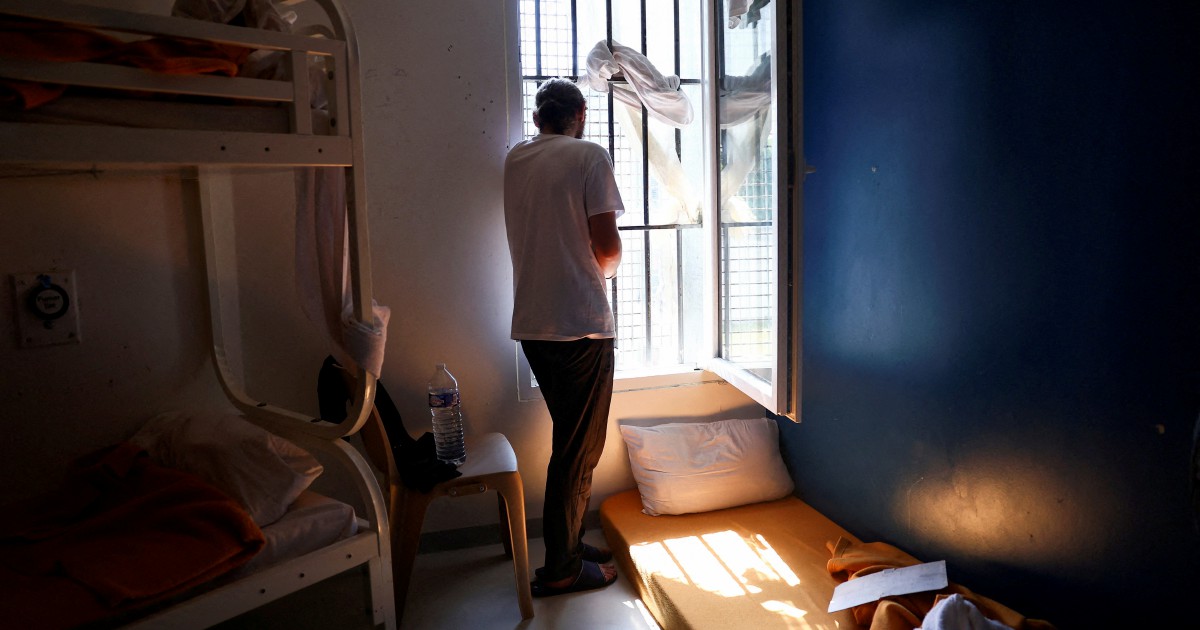
During a blistering heatwave that pushed temperatures beyond 37 degrees Celsius, a French prisoner resorted to draping wet towels around his cell window bars in a desperate attempt at cooling. When a visiting politician passed through the prison, the inmate seized the opportunity to articulate what many behind bars experience but few beyond the walls understand: the suffocating reality of incarceration during extreme weather conditions. This poignant scene encapsulates a broader crisis gripping Europe's penal system, where institutional decay and overcrowding collide with climate-driven temperature spikes, creating hazardous environments that threaten inmate health and dignity.
The situation across European prisons reveals systemic vulnerabilities that have accumulated over decades of underinvestment and rising prisoner populations. Ageing infrastructure, much of it constructed without modern climate considerations, becomes a pressure cooker during summer months. Cells designed to house one person often contain two or more, while ventilation systems struggle to cope with the thermal load. France, Spain, Italy, and several Central European nations have reported particularly acute problems, with prison officials confirming that cooling measures remain inadequate or entirely absent in many facilities. The lack of air conditioning or even basic mechanical ventilation transforms cells into human storage units where temperatures soar 5 to 10 degrees Celsius higher than outside conditions.
For Southeast Asian readers, this European crisis carries particular relevance. Malaysia and neighbouring countries operate within tropical climates where heat management in detention facilities is already challenging even without overcrowding. The European experience demonstrates how delayed action on prison conditions and capacity expansion eventually forces governments to confront humanitarian crises under public scrutiny. Building modern, adequately resourced correctional facilities now proves far more economical and less damaging to institutional legitimacy than managing catastrophic failures later. Additionally, regional prison systems drawing from similar architectural blueprints and facing comparable funding constraints may benefit from European authorities' emerging responses and technological solutions.
Medical experts emphasise that prolonged exposure to extreme heat in confined spaces triggers serious physiological consequences. Heat exhaustion, dehydration, and heat stroke become genuine risks, particularly for elderly inmates, those with pre-existing health conditions, and prisoners on certain medications that impair thermal regulation. Beyond immediate physical threats, psychological stress intensifies when inmates cannot escape oppressive conditions. Sleep deprivation compounds health deterioration, while aggression and violence often spike as environmental stress erodes behavioural stability. Prison medical services, typically understaffed and under-equipped, face overwhelming demand during heatwaves, yet lack isolation units or emergency protocols specifically designed for heat-related emergencies.
European prison authorities have begun implementing emergency measures, though critics argue such responses are reactive rather than preventive. Temporary water dispensers, ice distribution, extended yard time during cooler morning and evening hours, and occasional cell relocations offer marginal relief. Some facilities have installed portable fans or shade structures in exercise areas. However, these piecemeal solutions cannot address structural problems. Overcrowding remains the core issue; if prisons operate at 120 to 130 per cent capacity, even doubled ventilation capacity provides inadequate relief. The fundamental mismatch between prison population and available space means mitigation efforts can only postpone crises, not resolve them.
Political dimensions surrounding prison conditions create additional complexities. Public sympathy for incarcerated individuals remains limited in many European countries, making budget allocations for prison improvements politically unpopular compared to education, healthcare, or infrastructure spending. Yet repeated heatwave crises increasingly trigger legal challenges, with human rights organisations arguing that institutional negligence during foreseeable environmental extremes constitutes inhumane treatment. Courts in some jurisdictions have begun issuing findings of fact supporting such claims, creating pressure on governments to modernise facilities or face escalating litigation costs and reputational damage.
The link between climate change and prison conditions also deserves attention. Heatwaves are intensifying in frequency and severity across the Northern Hemisphere. Europe's 2022 and 2023 summers featured record-breaking temperatures, and climate projections indicate this pattern will continue. Prisons that functioned adequately during cooler historical periods now face regular extreme heat challenges. This reality demands that prison modernisation planning explicitly incorporate climate resilience—ensuring facilities can maintain safe conditions amid temperatures that would have been considered unusual a generation ago but are becoming routine.
International human rights bodies, including the European Court of Human Rights, have increasingly scrutinised prison conditions during heatwaves. Verdicts establishing that governments violated inmates' rights to protection from inhuman treatment have created legal precedents encouraging policy change. Some European nations have launched long-term decarceration initiatives, attempting to reduce prison populations through alternative sentencing, expanded probation programmes, and rehabilitation focus. Others are investing in purpose-built modern facilities replacing ageing institutions, though construction timelines stretch across years while overcrowding persists in the interim.
For Malaysia, observing European struggles offers instructive lessons about institutional planning. The Malaysian prison system, while generally better maintained than some aging European facilities, faces capacity pressures and operates in an inherently hot climate. Proactive investment in facility upgrades, including climate-appropriate design, can prevent the humanitarian and legal complications now confronting European authorities. Furthermore, demonstrating genuine concern for inmate welfare, even among populations convicted of serious crimes, reflects governmental sophistication and commitment to rule of law principles that international observers increasingly monitor.
The heatwave exposure of Europe's overcrowding crisis ultimately transcends criminal justice debate. It represents a failure of foresight and planning, a collision between ageing infrastructure and contemporary realities, and growing tension between punitive impulses and humanitarian obligations. Solutions require political courage to expand prison capacity thoughtfully, invest in modernisation, and reduce populations through evidence-based programmes—measures more challenging but more durable than temporary cooling measures during recurring emergencies.

