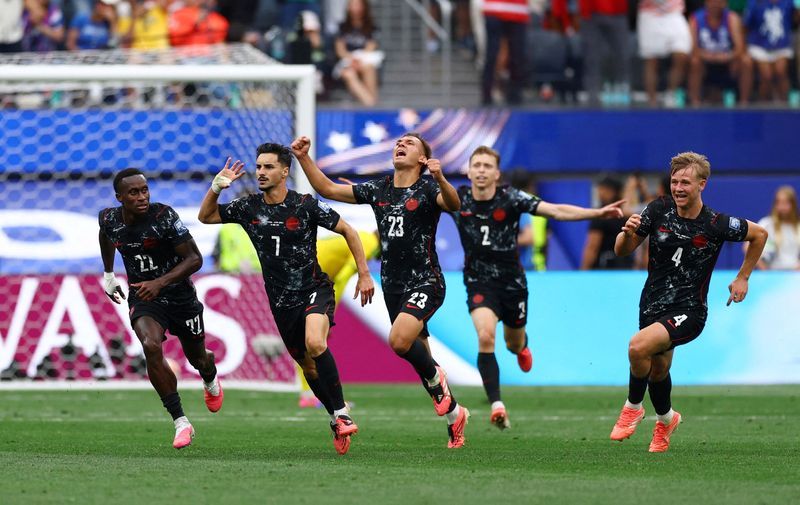
Stephen Eustaquio delivered a moment of redemption for Canada's football ambitions on Sunday, firing a powerful strike from the edge of the penalty area in the 92nd minute to secure a 1-0 victory over South Africa at Los Angeles Stadium. The goal ended the co-hosts' World Cup journey on a triumphant note, propelling them into the knockout stage for the first time in their tournament history and marking a watershed moment for Canadian soccer on the global stage.
The South African goalkeeper Ronwen Williams had little chance of stopping Eustaquio's well-struck effort, which arrived just when the African nation appeared to be managing the match toward either extra time or a penalty shootout. In the closing moments that followed, South Africa launched desperate attacking moves in an attempt to equalize, but Canada's defense held firm as the final whistle approached, securing the nation's most significant World Cup achievement to date.
Canada's path to this milestone has been far from straightforward. The side arrived in Inglewood with just three days of recovery following a disappointing 2-1 group-stage loss to Switzerland on Wednesday, and they were forced to play their first knockout-round fixture outside of Canadian territory—a considerable disadvantage for the tournament's co-host nation. Despite these challenges, Marsch's team demonstrated the resilience and character that has come to define their World Cup campaign, overcoming early setbacks and missed opportunities to seize victory when it mattered most.
Throughout much of the first half, the match unfolded as a tightly contested affair between two nations making their maiden knockout appearances. Canada's most promising moment arrived just before the interval when a corner created chaos in the South African box. Moise Bombito directed a header toward goal before Aubrey Modiba cleared the danger off the line, and Tajon Buchanan's follow-up shot struck Williams directly in the chest. Minutes later, the referee's decision to reject Canadian penalty appeals after Richie Laryea went down in the box—confirmed by VAR review—drew fierce protests from Marsch and palpable frustration from Canada's supporters, who had traveled in considerable numbers to the Los Angeles venue.
The second half saw South Africa settle into a defensive posture, content to absorb pressure and seek opportunities on the counter-attack. This cautious approach limited the quality of play but also frustrated Canada's attacking rhythm. Another opening presented itself when Tani Oluwaseyi's shot reached Williams, but Jonathan David could not convert the rebound thanks to Mbekezeli Mbokazi's crucial defensive intervention. As the match wore on, it appeared as though Marsch's warnings about his team's inability to finish chances cleanly might cost them dearly.
Eustaquio's breakthrough represented vindication for Canada's perseverance. Having controlled large portions of the match without creating a decisive opening, the Canadian midfielder received possession near the South African penalty area and unleashed a strike that provided no margin for error—the ball nestled into the net with the force and precision that such a critical moment demanded. For a player and a nation accustomed to heartbreak in international competition, the feeling of delivering when everything was on the line transcended mere football.
In the post-match interviews, Eustaquio spoke of the collective determination that propelled Canada forward. "We just kept believing, we kept pushing and I think we couldn't have imagined it any other way," he reflected, crediting his teammates for their unwavering commitment. Coach Marsch emphasized that while his side had fashioned opportunities throughout the ninety minutes, they had lacked the clinical finishing that separates tournament contenders from hopefuls until the decisive moment arrived. Marsch's characterization of his players as "Canadian heroes" resonated with a nation that has invested considerable resources and expectations into building a competitive World Cup team.
Canada now advances to face either the Netherlands or Morocco on July 4 in Houston, with a quarter-final berth at stake. This progression represents a genuine shift in global perceptions of Canadian soccer capability. The team's group-stage performance, culminating in qualification despite the loss to Switzerland, had demonstrated competitiveness against elite opposition. This knockout victory validates that progress and opens possibilities for deeper tournament involvement than most observers anticipated when the competition began.
For South Africa, the exit carries mixed emotions. Hugo Broos's side achieved something significant by reaching the knockout rounds at only their fourth World Cup attempt, yet their passive approach in the decisive match left them vulnerable to precisely the kind of tactical setup Canada exploited. At seventy-four years old, Broos indicated that this tournament represents his final World Cup engagement, leaving questions about the direction of South African football during a period of rebuilding and renewal.
The implications of Canada's breakthrough extend beyond the immediate tournament context. As a co-host nation, Canadian success generates momentum for football development domestically and elevates the sport's profile in a nation traditionally dominated by ice hockey. The victory in Inglewood demonstrated that investment in youth development, coaching infrastructure, and player recruitment strategies can yield results on soccer's grandest stage. For Southeast Asian nations monitoring global football trends and development pathways, Canada's journey offers instructive lessons about patience, systematic progress, and the importance of cultivating homegrown talent alongside international experience.

