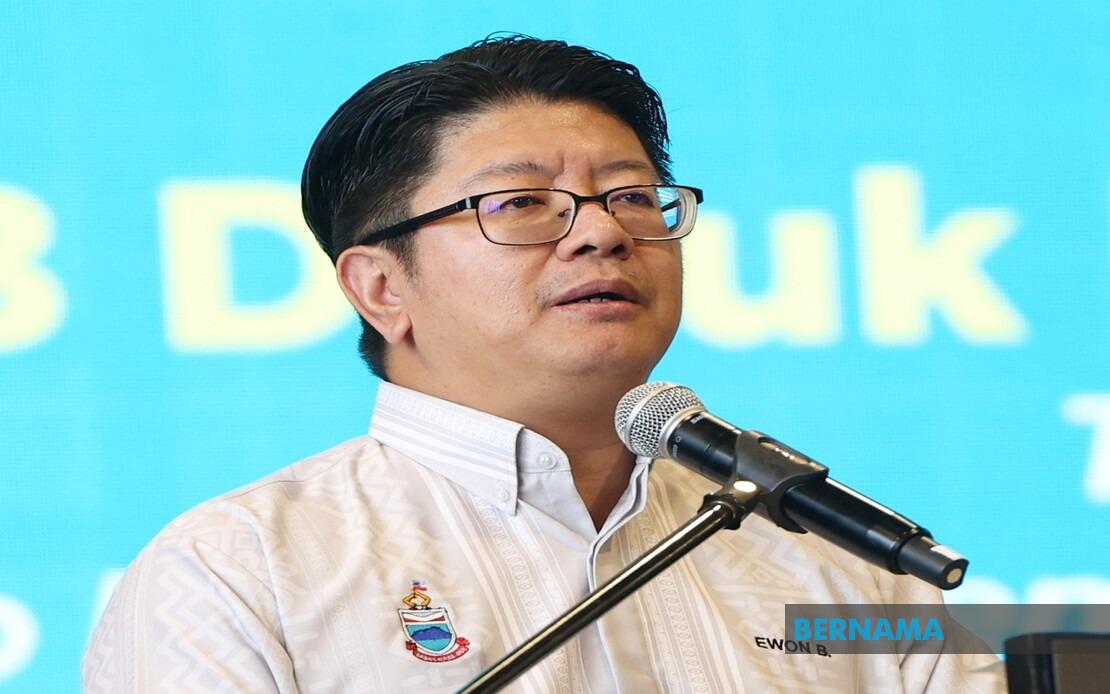
The United Progressive Kinabalu Organisation (UPKO) has solidified its leadership continuity by reelecting Datuk Ewon Benedick and Datuk Donald Peter Mojuntin to their positions as president and deputy president respectively for the 2026-2029 term. The uncontested results emerged from elections held during the party's 17th triennial delegates conference in Penampang on August 10, signalling consensus within the party on maintaining its current command structure at a time when Sabah's political landscape remains competitive and fluid.
The election process, which produced no challengers for the top two positions, also confirmed five vice-presidents in their roles. Jairaiaz Joseph, Datuk Wong Thien Fook, Datuk Pangiran Lalung, Datuk Basari Sarikun, and Datuk Dr Laurentius Nayan Ambu will continue steering their respective portfolios. The absence of contested races at this tier of party hierarchy reflects either strong organisational cohesion or, alternatively, a settled expectation that the incumbent leadership enjoys majority backing among delegates. Either interpretation carries implications for UPKO's positioning within the broader Gabungan Rakyat Sabah (GRS) coalition in the years ahead.
In his closing remarks at the conference, Ewon articulated a vision of strengthened internal unity flowing from the election outcome. He framed the exercise not as a mere procedural formality but as a democratic affirmation with operational consequences for the party's trajectory. His emphasis on democratic processes—despite the lack of competition—underscores UPKO's commitment to formal institutional legitimacy, a factor particularly relevant given Malaysia's history of coalition politics where party stability and internal harmony directly influence electoral performance and governmental influence.
Ewon's acknowledgement that all party members constitute UPKO's extended family served as both reassurance and rallying cry. In Malaysian political culture, such inclusive language traditionally signals an attempt to prevent factional grievances from calcifying into lasting divisions. The statement carries particular weight in a regional context where cross-cutting loyalties and shifting coalition dynamics have repeatedly demonstrated the fragility of party unity absent proactive leadership messaging.
The newly confirmed leadership carries direct responsibilities to Sabah Chief Minister Datuk Seri Hajiji Noor, whose position as GRS chairman places him at the apex of the ruling coalition in the state. UPKO's role as a constituent party within this broader arrangement means that party resolutions and strategic positions must be articulated and defended through official channels—both legislative chambers and cabinet discussions. This structural relationship constrains UPKO's autonomy while simultaneously offering members access to state-level executive power, a trade-off that has historically defined alliance-based politics in Sabah.
Ewon's reference to parliamentary and legislative debates signals UPKO's expectation that elected representatives will actively voice party positions rather than defaulting to unquestioning coalition discipline. This distinction matters substantively for Malaysian democracy and for Sabah specifically, where minority parties within coalitions retain limited but meaningful scope to shape policy discourse without triggering coalition collapse. The actual exercise of this freedom remains subject to ongoing negotiation and political calculation.
Beyond the top tier, UPKO's secondary leadership underwent more visible changes, with several positions turning over to new office-bearers. Carlye Lajimin assumed the role of UPKO Youth chief, replacing the previous incumbent, whilst Newbaxter Tibin was elected as his deputy. These transitions in the youth wing carry medium-term strategic significance given the evolving demographic composition of Malaysian electorates and the historical importance of youth mobilization in state-level campaigns. Sabah's youthful population presents both opportunities and challenges for party recruitment and activism.
Mohina Sidom retained her position as UPKO Women chief, while Lomiti Jahan entered the leadership structure as deputy chief. The confirmed presence of women in formal party leadership positions reflects contemporary Malaysian political expectations, though the party's actual commitment to women-focused policy advocacy and candidate development remains distinct from symbolic representation. The Women's wing's effectiveness in translating organisational leadership into electoral outcomes and policy influence continues to merit scrutiny.
Emmanuel Atin was elected to lead the newly designated UPKO Young Generation wing, with Alison Chan as deputy chief. This structural addition suggests party recognition of distinct generational interests and possibly a strategic attempt to create additional entry points for youth engagement beyond the traditional Youth wing. Whether this proliferation of youth structures enhances or dilutes the party's capacity for youth mobilisation requires monitoring over the coming election cycle.
The confluence of leadership continuity at the apex and selective turnover in secondary positions reflects a calibrated approach to party renewal. UPKO appears intent on preserving established strategic direction whilst creating advancement opportunities for second-tier figures, a formula intended to balance stability with perceived fairness in career progression. For Malaysian observers tracking coalition dynamics and state-level politics, this leadership configuration suggests UPKO expects to maintain its current strategic positioning within GRS while incrementally refreshing its organisational capacity.
Looking forward, UPKO's influence on Sabah governance will depend substantially on how effectively Ewon's leadership translates party resolutions into concrete policy outcomes and how skillfully party representatives navigate the inherent tensions between coalition loyalty and constituent representation. The next three years will test whether UPKO can maintain internal cohesion while asserting meaningful influence over GRS priorities, particularly regarding Sabah's economic development, resource management, and intercommunal relations—domains where the party's historical positioning and constituent base grant it particular relevance.

