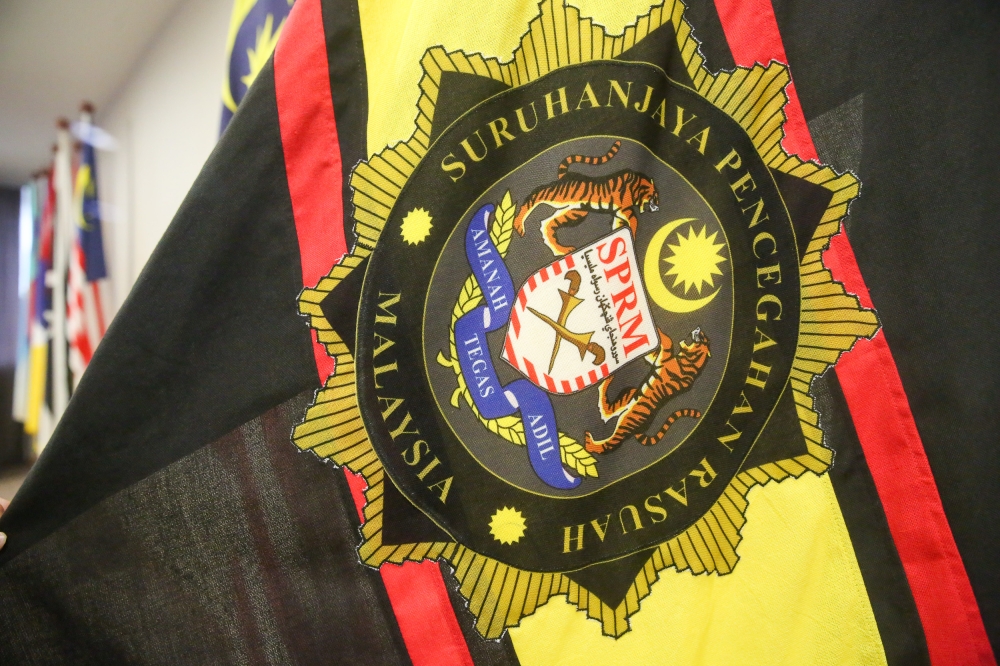
The Malaysian Anti-Corruption Commission arrested a former estate manager operating a rubber sapling supply business in the Klang Valley on 4 August as investigators intensified their scrutiny into a RM8 million transaction trail. The detention marks a significant development in the enforcement action following recommendations from the Tabung Haji Royal Commission of Inquiry, which identified irregularities in procurement procedures affecting the Islamic pilgrimage fund's financial management.
The suspect, whose company operated within the heavily industrialised Klang Valley region, has become the focal point of an investigation into the supply of rubber saplings—a transaction that would ordinarily appear routine but allegedly involved inflated pricing and questionable procurement practices. The initial leads emerged when auditors and investigators examined documentation related to purchases made by Tabung Haji, Malaysia's statutory body responsible for facilitating the Hajj journey for Muslim pilgrims across the nation. The scale of the alleged irregularity, measured in millions of ringgit, indicates systemic vulnerabilities in institutional purchasing controls that extend beyond a single transaction.
Tabung Haji's governance came under intense public and governmental scrutiny following the establishment of the Royal Commission of Inquiry, which was tasked with examining financial irregularities, investment mismanagement, and operational deficiencies. The pilgrimage fund's challenges had accumulated over several years, affecting the savings and investments of hundreds of thousands of ordinary Malaysians who entrust their hajj deposits to the institution. The rubber sapling procurement case represents one segment of a broader investigation into how departmental purchasing decisions were made, approved, and executed without adequate transparency or competitive bidding processes.
For Malaysian stakeholders invested in Tabung Haji—from individual pilgrims to policymakers concerned with institutional reform—this detention signals that authorities are pursuing accountability through multiple investigative channels. The MACC's intervention demonstrates the seriousness with which procurement fraud is being treated, particularly when it involves statutory bodies managing public funds and individual savings. Previous corporate scandals in Malaysia have shown that supply chain manipulation and inflated invoicing represent sophisticated methods through which funds can be diverted, making the agency's focus on procurement documentation and vendor relationships essential to uncovering the full scope of any wrongdoing.
The Klang Valley location of the suspect's operations is particularly noteworthy given the region's concentration of industrial and agricultural businesses, where supply relationships and contractor networks can become opaque. Investigators will likely be examining whether the pricing for rubber saplings—commodities with relatively transparent market values—was artificially elevated, and whether proper tender processes were bypassed. The conduct of individual officials who approved such purchases, along with the involvement of intermediaries or facilitators, constitutes a parallel investigative track that the MACC typically pursues in complex cases.
The detention follows weeks of intensive document analysis and witness interviews conducted by the Anti-Corruption Commission's dedicated task forces. Financial intelligence units have reportedly traced fund flows, examining bank statements and procurement records to establish connections between various entities involved in the supply chain. The investigation's complexity suggests multiple actors across different institutional levels may have been involved, from purchasing department staff to senior management personnel responsible for authorising expenditures.
For the broader Malaysian public, this case illustrates the enduring challenges of ensuring institutional integrity within government-linked companies and statutory bodies. Tabung Haji's reformation remains an ongoing priority for the government, with various remedial measures already implemented following the Royal Commission findings. Nevertheless, the emergence of individual cases of suspected fraud demonstrates that systematic change requires not only policy revision and structural reorganisation, but also relentless investigative work to address past misconduct.
The detention of the estate manager represents a tangible enforcement outcome from the Royal Commission process, translating investigative findings into legal action. The prosecution phase will test whether the gathered evidence meets the threshold for formal charges under the Malaysian Anti-Corruption Commission Act. Observers of Malaysian institutional governance will be monitoring whether this case leads to convictions and whether it catalyses wider accountability measures affecting other officials and entities involved in the Tabung Haji irregularities.
Regionally, Malaysia's handling of this case carries implications for Southeast Asian approaches to managing sovereign wealth and pilgrim funds. Several nations in the region operate similar institutions, and the transparency and accountability frameworks governing such bodies have drawn increasing international attention. The manner in which Malaysia prosecutes procurement-related offences involving statutory institutions sends signals about institutional governance standards across ASEAN economies.
Stakeholders in Tabung Haji reform initiatives view cases such as this as prerequisites for restoring public confidence in the institution. The fund's rehabilitation requires not only improved governance frameworks but demonstrated enforcement against those who exploited previous weaknesses. The MACC's continued investigation into supply chain irregularities underscores the multifaceted nature of institutional reform, where legal accountability works in concert with policy change to address deep-rooted governance challenges.

