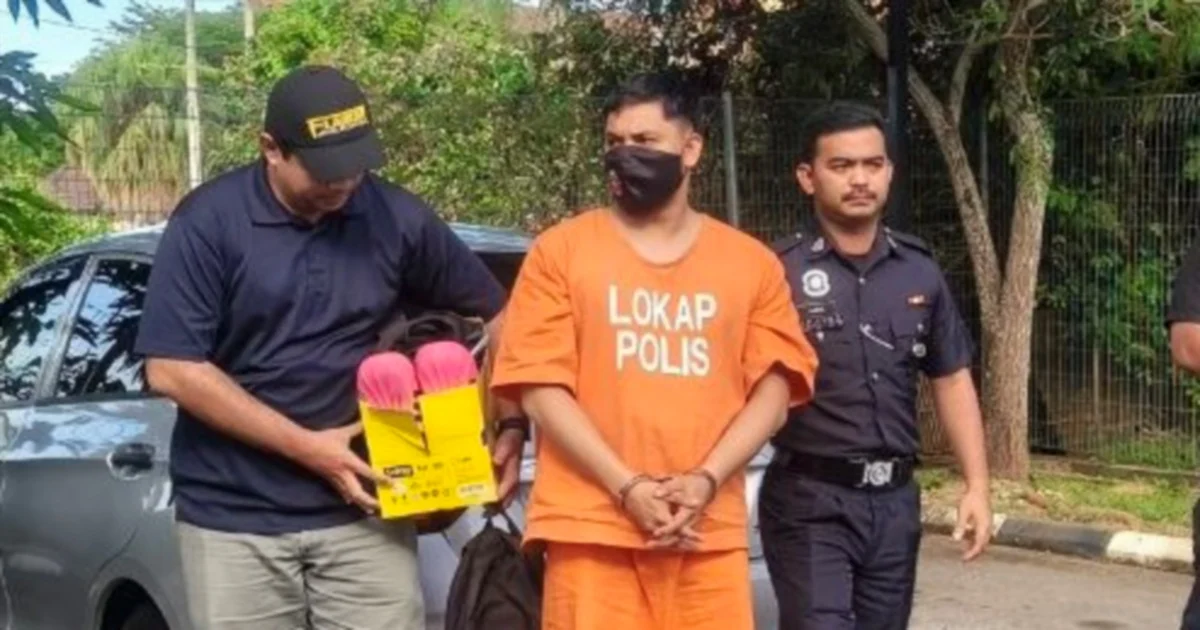
A former information technology engineer in Besut has been handed a substantial financial penalty after the courts found him guilty of systematically misusing other people's identity documents to unlawfully access government subsidies. The Besut magistrate's court imposed a fine of RM18,000 on the man today, with an alternative custodial sentence of 18 months' imprisonment should he fail to settle the penalty. The defendant entered guilty pleas to all three charges of identity fraud, significantly streamlining proceedings and demonstrating accountability for his actions.
The case centres on the misappropriation of the Budi95 subsidy scheme, a government programme designed to provide legitimate financial assistance to eligible Malaysian citizens. Rather than benefiting those for whom the scheme was intended, the former IT professional exploited his technical knowledge to circumvent verification systems and fraudulently claim benefits using documentation belonging to other individuals. This form of subsidy fraud represents a breach of public trust and diverts resources away from genuine beneficiaries who depend on such assistance for essential needs.
The specific nature of the offences—three separate counts of utilising another person's identity card—suggests a calculated and repeated pattern of misconduct rather than an isolated or accidental occurrence. Each charge likely corresponds to a distinct instance of fraudulent subsidy claims, indicating the accused had engaged in systematic exploitation of the Budi95 programme over what appears to have been an extended period. The multiple charges underscore the severity with which authorities view such breaches of administrative and criminal law.
Identity fraud of this nature carries particular gravity within Malaysia's legal framework because it compromises both personal security and institutional integrity. When individuals abuse others' identity documents, they create cascading harms: victims may face complications with their own benefit claims, credit histories, or tax records, while simultaneously undermining confidence in government assistance programmes that millions of Malaysians legitimately depend upon. The courts' decision to impose a substantial fine signals official disapproval of such behaviour and serves as a deterrent against similar misconduct.
The defendant's professional background in information technology adds a troubling dimension to the case. Individuals with technical expertise occupy positions of considerable trust within both private and public sectors, and their misuse of such knowledge for fraudulent purposes constitutes a particularly egregious betrayal. This incident highlights the vulnerability of digital systems managing government benefits and the ongoing need for stronger safeguards to verify beneficiary eligibility and prevent cross-referencing failures that allow fraudsters to exploit multiple identities simultaneously.
TheAugmentation of Malaysia's subsidy verification infrastructure has become increasingly urgent as digital fraud methods grow more sophisticated. Whilst the Budi95 scheme serves a vital social function in supporting lower-income households, the existence of vulnerabilities that permitted this individual to submit fraudulent claims multiple times suggests that current authentication protocols may require enhancement. Integration with the National Registration Department's identity verification systems, biometric screening, or real-time fraud detection algorithms could substantially reduce the opportunities for such abuses in future.
The case also reflects broader enforcement priorities within Malaysia's anti-corruption and anti-fraud apparatus. That authorities successfully prosecuted this matter demonstrates commitment to protecting public resources from misappropriation, particularly where government assistance programmes are concerned. However, detection and successful prosecution of subsidy fraud often depends upon whistleblowers, systematic audits, or accidental discovery—underscoring how many similar cases may escape official notice entirely without proactive investigation strategies.
Sentencing considerations in fraud cases typically balance deterrence, punishment, and the offender's personal circumstances. The RM18,000 fine imposed here—combined with the threat of 18 months' imprisonment as alternative punishment—reflects a middle-ground approach that neither imposes the harshest available penalties nor treats the matter as trivial. For a former IT engineer, such a financial penalty likely represents substantial economic consequence, serving as motivation to avoid future lawbreaking whilst avoiding the social disruption of incarceration.
The defendant's guilty pleas proved instrumental in reaching this disposition efficiently. By accepting responsibility rather than contesting the charges, he prevented the need for lengthy trials that would have diverted court resources and extended proceedings for months. This cooperative approach, whilst typical in Malaysian courts where overwhelming evidence exists, nevertheless reflects a pragmatic judicial system that rewards accountability and streamlines the justice process where circumstances permit.
This conviction arrives at a moment when Malaysian authorities are increasingly vigilant regarding subsidy programme integrity. As government assistance schemes expand to address economic pressures facing ordinary Malaysians, ensuring that benefits reach legitimate recipients whilst preventing fraudulent claims has become essential to maintaining public confidence in such initiatives. Future cases of this nature will likely receive similarly rigorous prosecutorial attention and substantial sentencing as authorities seek to establish that subsidy fraud carries real consequences.

