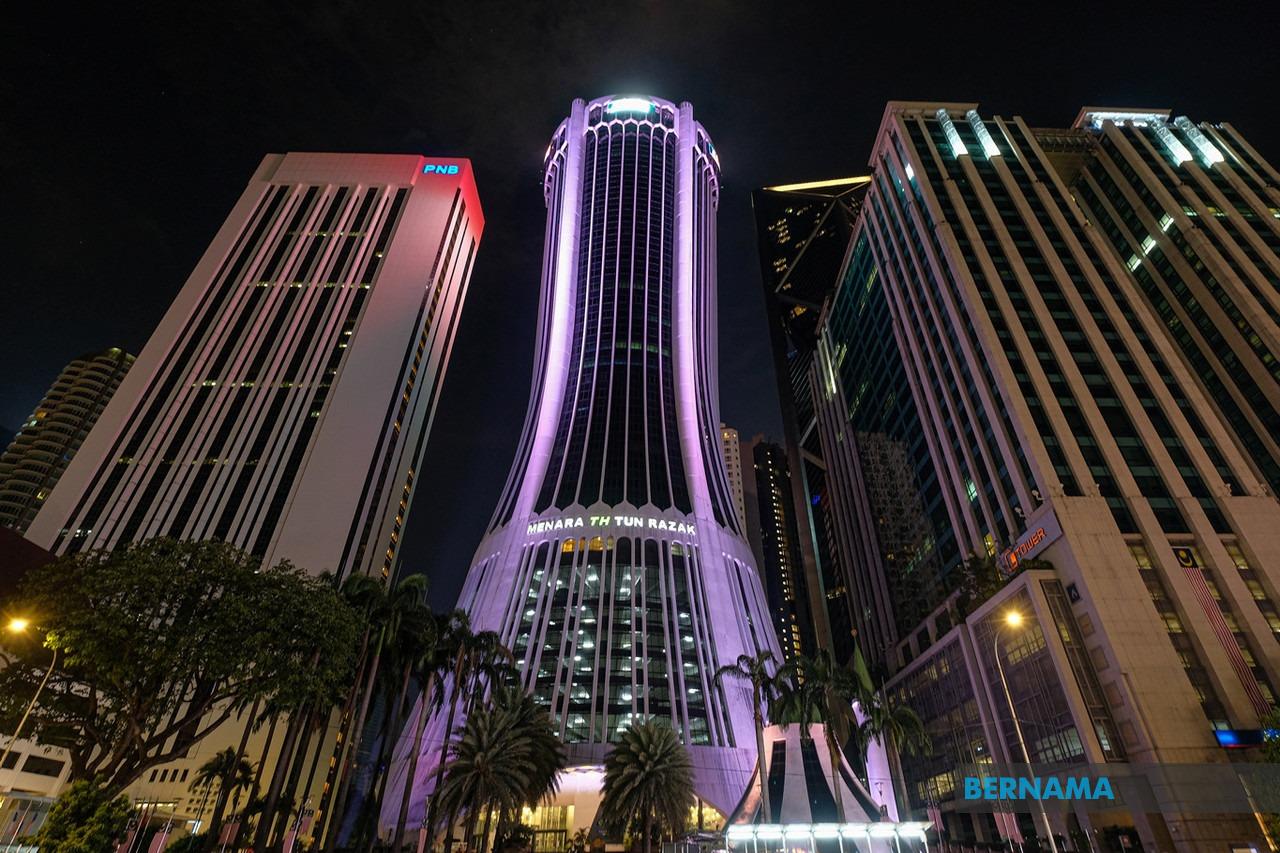
The call for transparency surrounding Tabung Haji has intensified as multiple stakeholders argue that the delayed publication of the Royal Commission of Inquiry report undermines public trust in one of Malaysia's most significant Islamic financial institutions. With millions of Malaysian Muslims relying on Tabung Haji to accumulate savings for the hajj pilgrimage, the prolonged withholding of findings from the comprehensive inquiry has become a source of considerable concern among depositors and governance advocates alike.
Dr Mazlan Che Soh, a political science senior lecturer at Universiti Teknologi MARA's Seremban campus, emphasises that immediate disclosure serves a fundamentally democratic purpose. He argues that Tabung Haji occupies a unique position within Malaysia's institutional landscape—it functions not simply as a conventional financial entity but rather as a custodian of trust for the Muslim population, holding savings earmarked for one of Islam's five pillars. This distinction, he suggests, elevates the moral imperative for transparency beyond typical corporate governance considerations. The depositors themselves represent millions of ordinary Malaysians whose financial security depends on the institution's soundness and integrity.
According to Dr Mazlan's analysis, transparency serves multiple critical functions simultaneously. Publishing the report would allow society to comprehend what went wrong, to identify structural and procedural failings within the organisation's governance framework, and most importantly, to establish concrete safeguards preventing similar mishaps in future. He advocates for a staged disclosure approach, whereby the government could initially release an executive summary capturing the RCI's principal conclusions, followed by documentation detailing which recommendations have already been implemented and an outline of forthcoming corrective measures. This graduated strategy would balance the public's legitimate right to information with the government's administrative capacity to respond comprehensively.
Dr Mazlan acknowledges a politically sensitive dimension to the report's release, particularly given its potential resonance with Malay-Muslim voters and TH depositors who may interpret the findings through a partisan lens. However, his analysis suggests that electoral calculations cannot override institutional accountability. While recognising that report disclosure might influence voter sentiment, he contends that electoral behaviour responds to multiple competing variables—living costs, state government effectiveness, individual candidates' reputations, longstanding party affiliations, and the organisational strength of party machinery all weigh heavily on voting decisions. No single issue, even one involving substantial sums of depositors' money, necessarily determines electoral outcomes decisively.
From the University Kebangsaan Malaysia, Dr Jamaie Hamil from the Faculty of Social Sciences and Humanities reinforces the argument that institutional resolution has been unconscionably prolonged. He notes that improvements to Tabung Haji's operations have already proceeded incrementally through successive administrations—from the Pakatan Harapan government through to the current MADANI administration. This continued progression of reforms, he implies, suggests that further delay in releasing the RCI findings lacks practical justification and merely extends public uncertainty unnecessarily.
The call for action extends beyond academic circles into grassroots sentiment. Wan Osman Hashim, a seventy-year-old retired civil servant, articulated public frustration through a video message distributed via TikTok that subsequently gained prominence when Communications Minister Datuk Seri Fahmi Fadzil shared it more broadly. Hashim's message crystallises the anxiety many ordinary Malaysians feel regarding their accumulated hajj savings. He urges the government to act expeditiously, warning that prolonged inaction risks further financial deterioration for Tabung Haji itself. His appeal emphasises that swift governmental intervention would restore public confidence, assuring depositors that their contributions remain secure and that serious consequences await those responsible for any financial impropriety. The invocation of justice for ordinary Malaysians whose money is at stake provides a powerful emotional counterweight to any procedural arguments for continued confidentiality.
The institutional significance of Tabung Haji warrants particular consideration within Malaysia's Islamic financial ecosystem. As the primary vehicle through which millions of Muslims accumulate funds for the hajj—one of Islam's five fundamental obligations—the institution carries religious and cultural weight extending far beyond conventional financial metrics. Any governance failure or mismanagement strikes at the heart of Muslims' capacity to fulfil a central religious duty, making the transparency imperative especially compelling. The erosion of trust in such an institution creates ripple effects throughout Malaysia's broader Islamic finance sector.
Prime Minister Datuk Seri Anwar Ibrahim has signalled receptiveness to the transparency argument, expressing confidence that the Cabinet would endorse the proposal to make the RCI report public once formally tabled for consideration. His apparent openness to disclosure suggests that remaining obstacles are likely procedural or technical rather than fundamentally political, offering hope that release may materialise in the near term.
The expert consensus emerging from Malaysian academia and public figures reflects a sophisticated understanding that institutional legitimacy in democratic societies depends fundamentally on transparent governance, particularly when public trust has been compromised. For an institution managing funds belonging to millions of ordinary Malaysians pursuing a sacred religious obligation, delayed accountability becomes increasingly untenable. The collective weight of these arguments suggests that further withholding of the RCI findings serves no constructive purpose and actively undermines the public confidence essential for Tabung Haji to function effectively as a trusted financial steward.

