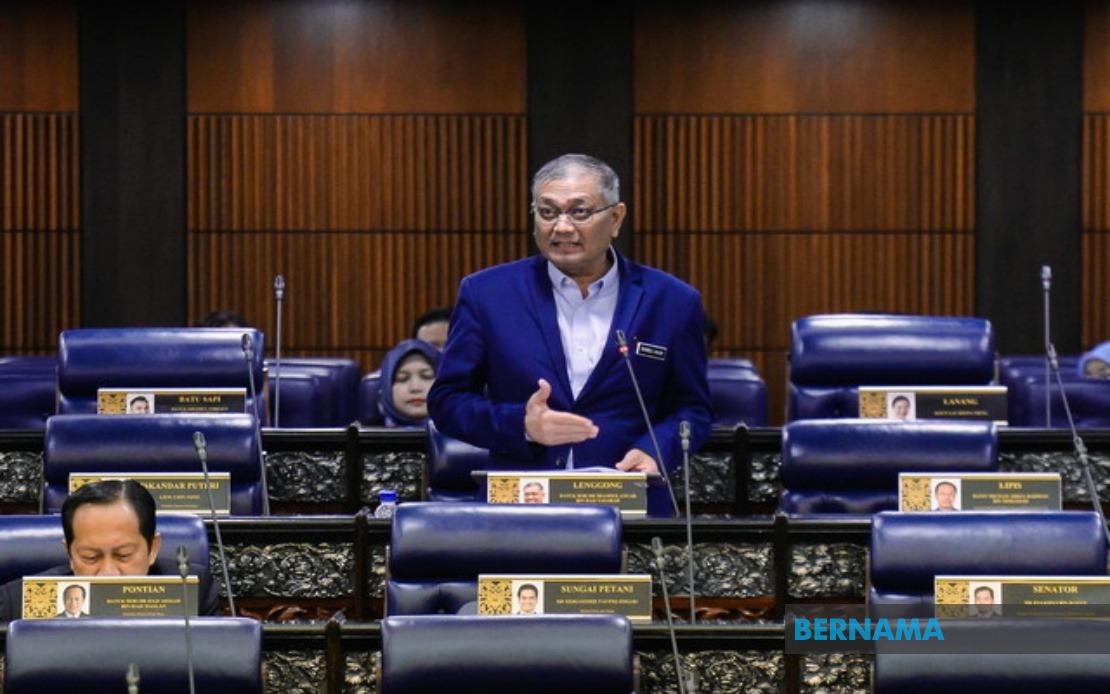
The Malaysian Home Ministry moved to clarify the nature of extra drills and field duties assigned to Royal Malaysia Police personnel, asserting that such measures function as disciplinary tools designed to build character and encourage behavioural change rather than inflict physical harm. Deputy Minister Datuk Seri Dr Shamsul Anuar Nasarah made the distinction during parliamentary proceedings on July 14, addressing mounting public concern about the welfare and treatment of junior-ranking officers within the force.
The clarification emerged in response to parliamentary questions about enforcement procedures following the May death of a Sepang-based policeman, which had sparked debate about whether extra drills could pose health risks to officers. Shamsul Anuar explained that such duties operate under established regulations codified in Paragraph 32 of the Inspector-General of Police's Standing Orders, a framework specifically designed to handle minor disciplinary infractions among lower-ranking personnel without resorting to formal action.
According to the deputy minister, the enforcement framework contains specific safeguards to prevent abuse or excessive physical strain. Regulations stipulate that field duties cannot extend beyond four hours daily and must not be imposed for more than five consecutive days, representing what authorities characterise as reasonable limits designed to maintain both discipline and officer wellbeing. Supervising officers bear responsibility for conducting these duties in a controlled, safe manner, with explicit consideration for each officer's physical condition, overall health status, and environmental factors that might compromise safety.
In response to the Sepang incident, the Police Integrity and Standards Compliance Department issued a new administrative directive dated June 29 that introduced a mandatory health assessment form requirement. This procedural enhancement aims to strengthen existing oversight mechanisms and provide documented evidence that officers undergoing extra drills meet basic fitness standards for such assignments. The measure reflects official acknowledgement that additional safeguards could prevent future tragedies and demonstrate institutional commitment to officer protection.
The distinction between discipline for junior and senior officers drew particular scrutiny in parliament, with some legislators questioning whether the application of extra drills reflected rank-based favouritism within the force. Shamsul Anuar addressed these concerns by explaining that Paragraph 32 provisions were intentionally crafted for junior-ranking police officers as a middle-ground alternative to more formal and potentially career-damaging disciplinary proceedings. Senior officers, by contrast, fall under different legal provisions applicable to their respective service categories, creating distinct disciplinary frameworks rather than preferential treatment.
Questions about potential bullying or ragging within the system prompted additional ministerial clarification regarding procedural controls. Shamsul Anuar emphasised that every disciplinary measure, regardless of type, remains subject to strict institutional processes that prevent arbitrary imposition by individual superior officers. This procedural requirement theoretically protects personnel from capricious discipline while maintaining the force's ability to enforce conduct standards through established channels.
The parliamentary exchange reflects broader Southeast Asian concerns about police discipline mechanisms and officer welfare. Malaysia's clarification attempts to balance institutional authority with personnel protection, a tension increasingly scrutinised across the region as civil society organisations and legislative bodies demand transparency in security force operations. The Home Ministry's emphasis on procedural safeguards suggests official recognition that contemporary governance standards require documented, auditable discipline processes rather than discretionary authority.
For Malaysian readers, the significance extends beyond police administration to questions about how government institutions manage accountability while maintaining operational effectiveness. The debate also carries implications for public confidence in law enforcement, as excessive or poorly-monitored discipline can erode morale and professionalism within police ranks. The introduction of health assessment requirements represents an attempt to demonstrate responsiveness to public concerns while preserving disciplinary authority.
The evolution of these procedures also reflects international best practices increasingly adopted across regional security forces. Health screening, time limitations, and documented oversight represent standards aligned with contemporary police management frameworks in developed democracies, suggesting Malaysia's Home Ministry is positioning the force within global professional norms. However, implementation effectiveness will ultimately depend on consistent enforcement of these safeguards across all police divisions and ranks.
From a broader institutional perspective, the parliamentary discussion highlights how security force management remains subject to legislative scrutiny in Malaysia's constitutional democracy. Unlike systems with minimal civilian oversight, Malaysia's parliament retains authority to question ministry officials about operational procedures, creating accountability mechanisms that, while sometimes contentious, reflect democratic principles. The willingness of officials to explain and justify extra drill procedures in public parliamentary proceedings distinguishes Malaysia's approach to police governance within the Southeast Asian context.
Moving forward, observers will likely focus on whether the June 29 health assessment directive is uniformly implemented across all police divisions or remains inconsistently applied. Real institutional change requires not merely procedural announcements but sustained enforcement and periodic auditing of compliance. The Sepang incident, while tragic, may ultimately serve to strengthen police management practices if accompanied by genuine commitment to implementing announced safeguards across all operational levels.

