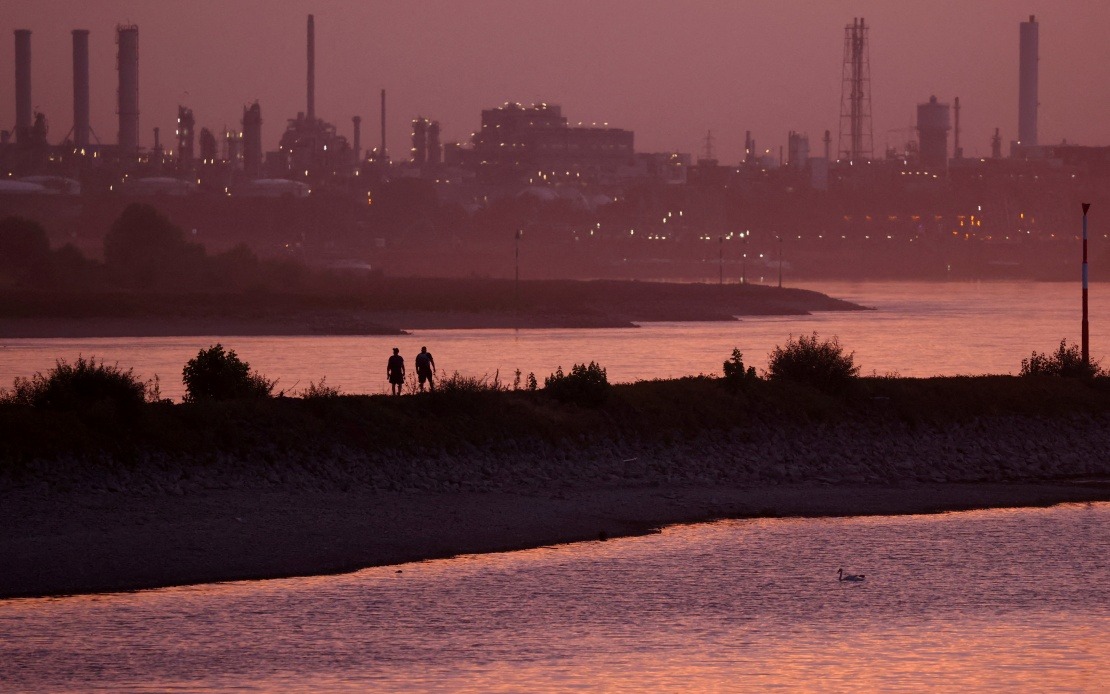
Explosive ordnance disposal teams in Germany are preparing to safely neutralise a substantial World War II-era bomb that emerged from the Rhine river near Cologne following exceptionally low water conditions. The discovery, made on Wednesday evening, underscores both the lingering hazards of conflict and the unusual environmental conditions now gripping Europe as extended heat and drought persist across the continent.
The 500-kilogramme United States aerial bomb came to light in the Rheinpark district of Cologne as water levels in the Rhine plummeted to unprecedented levels. On Thursday, the river's gauge registered 67 centimetres at Cologne, matching a historic low reached just days prior and with further declines anticipated within hours. Specialists from the German explosives disposal service were mobilised to undertake the defusing operation, though the precise timing of the procedure remained unconfirmed as of the latest reports.
The threat posed by the ordnance necessitated substantial precautionary measures. City authorities ordered the evacuation of approximately 360 individuals within a 400-metre safety perimeter surrounding the bomb's location. Those affected include occupants of a nearby retirement facility and personnel working at RTL television studios in the immediate vicinity. The evacuation highlights how discoveries of this kind, while historically significant, pose real contemporary safety challenges to modern urban populations living atop landscapes scarred by decades-old warfare.
The emergence of this bomb reflects a broader pattern visible across European conflict zones: the Rhine and other major river systems remain repositories of unexploded ordnance deposited during World War II bombing campaigns. Allied air raids targeted German industrial and transportation infrastructure extensively throughout the war, and munitions that failed to detonate either fell into waterways or became embedded in riverbed sediments. Under normal circumstances, the Rhine's relatively high water levels keep such hazards submerged and largely inaccessible. The current hydrological crisis has reversed that protective concealment.
The extreme aridity affecting the Rhine basin demonstrates the escalating consequences of climate instability. The prolonged drought has reduced water levels to such critical thresholds that Germany's most economically vital inland waterway faces severe operational constraints. Shipping companies have been compelled to load vessels to only partial capacity, substantially diminishing transport efficiency along a route that ordinarily handles millions of tonnes of cargo annually. Barge operators, industrial facilities dependent on water transport, and the broader supply chain dependent on Rhine connectivity all face mounting economic pressure as the drought extends without resolution.
Meteorological forecasts offer little reassurance to those hoping for rapid improvement. Hydrological projections indicate that Rhine water levels will rise only marginally in the coming days, with no indication of the sustained recovery necessary to restore normal navigational conditions. This forecast suggests that the river may remain in crisis mode for weeks or potentially months, creating cascading disruptions to European commerce and energy infrastructure. Thermal power plants, many of which rely on river water for cooling, also face potential operational limitations if drought conditions intensify further.
The confluence of military history, environmental change, and modern urban safety illustrates how past conflicts continue to intersect with contemporary challenges. The WWII bomb discovered near Cologne represents merely one of thousands of tonnes of unexploded ordnance dispersed across European territories. While most remain permanently submerged or deeply buried, drought conditions periodically force communities to confront these dangerous remnants. Explosives experts must be maintained in constant readiness, and evacuation protocols must be rehearsed regularly, imposing ongoing administrative and financial costs on municipalities.
For Southeast Asian observers, this incident carries instructive implications. Several major rivers in the region, including the Mekong, face similar vulnerability to climate-induced drought and its cascading consequences. While Southeast Asia has not experienced warfare of World War II magnitude in recent decades, historical conflicts and industrial activities have left various environmental legacies. Understanding how European nations manage the intersection of environmental stress, aging infrastructure, and dormant hazards offers relevant lessons for regional policymakers and environmental managers contemplating climate adaptation strategies.
The broader German response to this situation reflects institutional capacity to mobilise rapid, coordinated responses to emergency situations. Evacuation procedures were clearly established and communication channels functional. This stands in contrast to some developing nations where comparable hazards might generate more ad hoc or inadequately resourced interventions. The incident exemplifies how wealthy democracies with established emergency management frameworks can respond effectively even when faced with simultaneous pressures from extreme environmental conditions and public safety threats.
As defusing operations proceed near Cologne, the incident will likely prompt renewed assessment of similar hazards along the Rhine and other major European waterways. Hydrographic surveys may be accelerated to identify and map additional submerged ordnance before drought conditions abate and water levels normalise. The costs of such surveys, coupled with expenses for disposing of identified munitions, will represent yet another financial consequence of both historical conflict and contemporary environmental instability. This layered accumulation of challenges underscores how historical traumas and modern climate disruption combine to complicate present-day governance and risk management.

