Education Minister Fadhlina Sidek has underscored the imperative for a comprehensive and strategic approach to school safety, calling on all stakeholders to work in concert to establish a protective environment where students can thrive. Speaking on the matter, Fadhlina emphasized that the complexity of contemporary school safety challenges demands nothing less than unwavering commitment from educators, parents, administrators, and government bodies working together towards a unified objective.
The ministry's immediate focus centres on rebuilding and maintaining public trust by demonstrating concrete action and genuine protection for every student within the school system. This objective is not merely aspirational but represents a fundamental responsibility that Fadhlina has made clear will not be compromised under any circumstances. The education sector, she stressed, must prioritize the physical wellbeing and emotional security of all children as the cornerstone of institutional policy and daily practice.
To operationalize this commitment, Fadhlina outlined that established safety guidelines and child protection frameworks must serve as binding standards across every educational institution operating under Ministry of Education jurisdiction. These are not optional recommendations but mandatory protocols that all schools must implement with rigour and consistency. The minister indicated that compliance mechanisms must be strengthened to ensure no institution operates below these safety thresholds, regardless of whether it is a public school, a private institution, or any facility serving students.
Beyond physical security measures, the minister acknowledged that addressing mental health concerns represents a critical parallel priority that schools cannot overlook. Student psychological wellbeing is intrinsically linked to overall safety within the school ecosystem, as emotional distress can manifest in various harmful ways if left unaddressed. The education system must therefore integrate mental health support services, counselling resources, and preventive programmes as integral components of the broader safety framework.
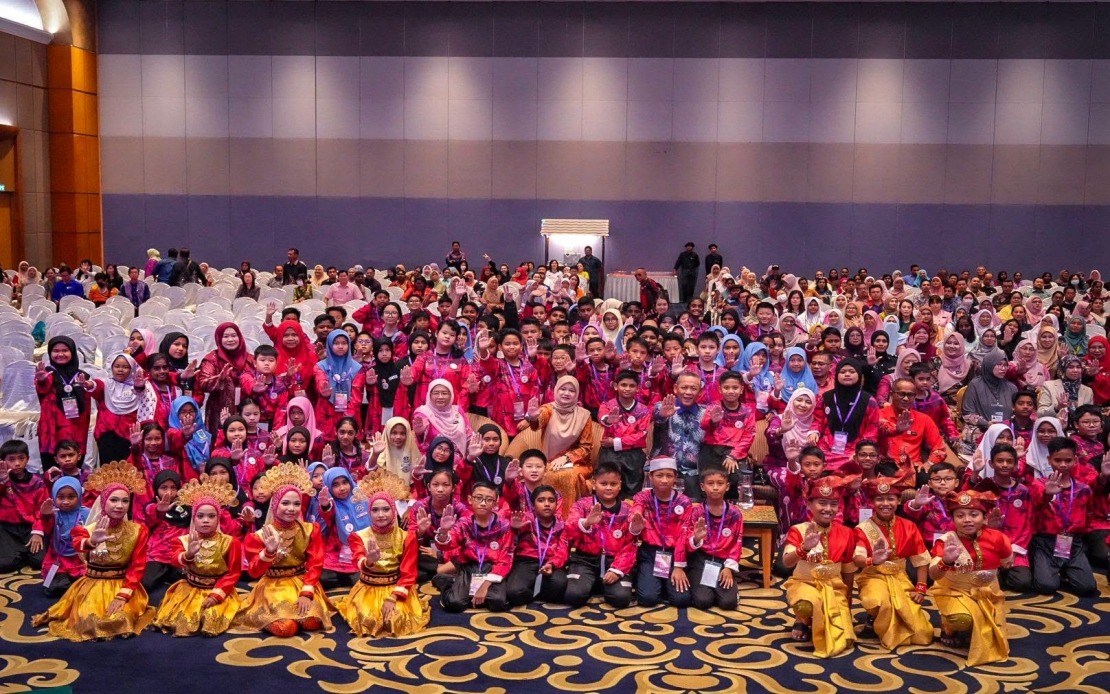
Fadhlina's remarks came during the Mutiara Diri Programme, an event that attracted significant participation including Negeri Sembilan Menteri Besar Datuk Seri Aminuddin Harun. Rather than serving as a routine awareness initiative, the programme represented a deliberate advocacy campaign designed to confront the multifaceted challenges surrounding student safety in schools. The presence of senior political figures underscored the gravity with which both state and federal governments view this issue.
Addressing parents and educators gathered at the programme, Fadhlina issued a direct appeal for enhanced collaboration and synergy among all parties involved in the school environment. She articulated that children possess an inherent right to occupy spaces that are fundamentally safe, that treat them with dignity, and that provide conditions for their comprehensive development and prosperity. This framing positions student safety not merely as an administrative concern but as a rights-based imperative rooted in respect for children's fundamental entitlements.
The minister's emphasis on collective responsibility reflects an understanding that school safety cannot be achieved through top-down directives alone. Effective implementation requires buy-in from parents who must reinforce safety messages at home, from educators who must maintain vigilance and create supportive classroom environments, from administrators who must ensure resources are allocated appropriately, and from students themselves who must develop the skills and confidence to seek help when needed. This ecosystem approach recognizes that isolated interventions will prove insufficient in addressing interconnected challenges.
For Malaysian education stakeholders, Fadhlina's statements represent both a commitment and an implicit accountability measure. Schools will likely face increased scrutiny regarding their safety protocols and adherence to guidelines, while parents may expect more transparent communication about incidents and preventive measures. The explicit rejection of compromise on safety matters suggests the ministry is prepared to take stronger action against institutions that fail to meet standards or that appear indifferent to threats against student welfare.
The timing of these pronouncements reflects a broader regional trend across Southeast Asian education systems, where safety concerns have elevated in public consciousness. Malaysia's articulation of a strategic, whole-of-society approach to school security positions the country within international best practice frameworks while addressing local contexts and challenges specific to Malaysian schools.

