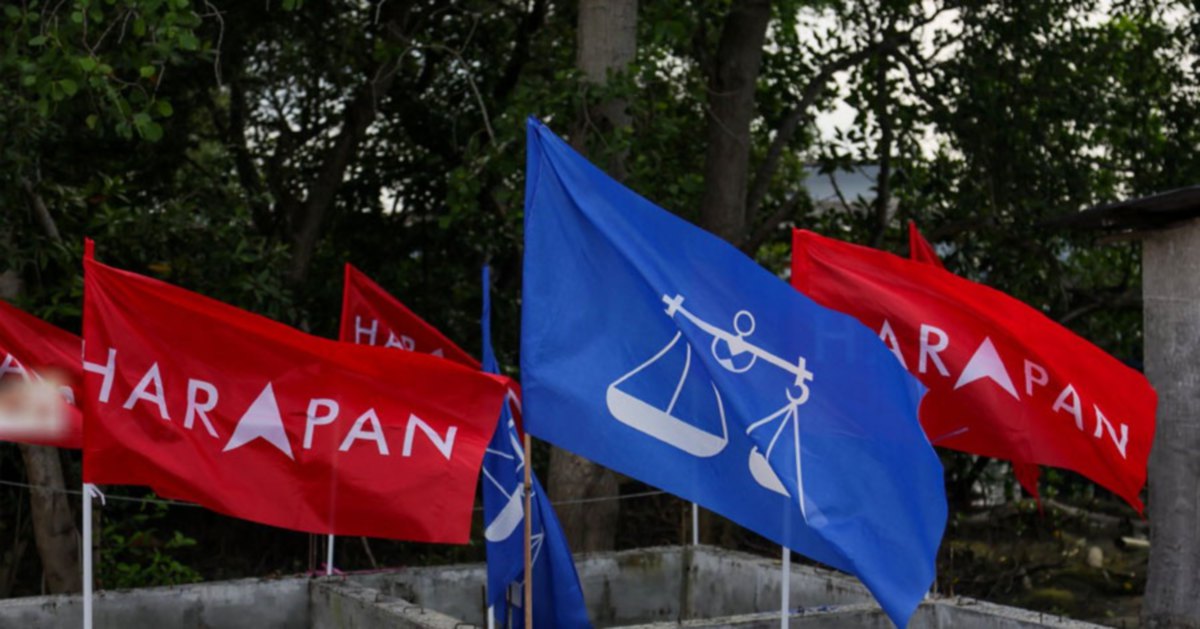
Pakatan Harapan's communications chief Datuk Seri Fahmi Fadzil has publicly acknowledged that senior coalition figures Datuk Seri Amirudin Shari and Datuk Seri Anwar Ibrahim convened for discussions, confirming the occurrence of what appears to be a strategically significant meeting between the two officials. The confirmation comes as the ruling coalition continues its complex negotiations with Barisan Nasional partners regarding the allocation of parliamentary constituencies ahead of upcoming electoral contests.
The convergence of these senior leaders underscores the intricate political choreography required to maintain the current governing coalition, which has proven fragile since its formation in 2020. With Anwar Ibrahim serving as the coalition's chairman and overall political figurehead, while Amirudin Shari directs electoral strategy and candidate placement decisions, their meeting suggests substantive discussions are underway concerning the distribution of winnable seats between Pakatan Harapan and Barisan Nasional.
Seat negotiations between coalition partners have historically served as flashpoints for tension within Malaysia's governing alliances. The current round of discussions reflects the delicate balance required to satisfy the ambitions of multiple political parties while maintaining enough internal cohesion to govern effectively. For Pakatan Harapan, which comprises the Democratic Action Party, Amanah, and the People's Justice Party under Anwar's leadership, securing an optimal slate of candidates remains essential to countering opposition Perikatan Nasional's growing influence in several regions.
The strategic importance of these internal deliberations extends beyond mere seat-counting exercises. Constituency allocation decisions can determine which political parties strengthen their parliamentary representation, influence power distribution within the coalition government, and shape policy priorities that emerge from collective cabinet discussions. By meeting with the coalition chairman, Amirudin Shari likely sought to align electoral strategy with Anwar Ibrahim's broader political vision and ensure that constituency decisions reflect the leadership's confidence in particular candidates and regional strategies.
For Malaysian voters and political observers, such meetings represent the machinery through which coalition governments negotiate their internal arrangements away from public scrutiny. The fact that these discussions occur at such senior levels demonstrates the significance Pakatan Harapan places on the upcoming electoral exercise and its determination to present a united front despite historical tensions between coalition partners regarding seat distribution and ministerial portfolios.
The engagement between these two figures also suggests that Pakatan Harapan may be actively managing relationships with Barisan Nasional from multiple coordination points within its leadership structure. Having the election director communicate directly with the coalition chairman ensures that electoral decisions carry the weight of the coalition's top political authority, reducing the possibility of contradictory messaging that might undermine negotiations or coalition stability.
Barisan Nasional's involvement in these seat discussions remains significant for regional politics across Peninsular Malaysia and beyond. The traditional coalition has shown renewed interest in selective partnership with Pakatan Harapan in certain constituencies, though tensions persist over which party should contest particular seats and the terms under which they might coordinate campaign activities. These negotiations directly affect the competitive landscape facing Perikatan Nasional, which has positioned itself as an alternative governing force offering a different political model to voters.
From a Southeast Asian perspective, Malaysia's coalition-building efforts warrant attention as a case study in managing multi-party governance within a Westminster-style parliamentary system. The constant requirement to negotiate seat distribution and electoral strategy reflects the complexity of representing diverse regional, religious, and demographic constituencies while maintaining sufficient unity to govern. Other regional democracies grappling with coalition politics often observe Malaysian developments with interest.
Looking forward, the confirmation of these high-level meetings suggests that Pakatan Harapan is moving deliberately through its pre-electoral preparation phase, ensuring that strategic decisions receive appropriate political authorization and that all coalition partners maintain confidence in the decision-making process. The transparency shown by Fahmi Fadzil in confirming the meeting, rather than deflecting or obscuring it, may reflect Pakatan Harapan's confidence that internal coalition negotiations are proceeding according to established protocols and that public acknowledgement of these discussions carries minimal political risk.
The broader implications for Malaysian governance rest on whether Pakatan Harapan and Barisan Nasional can finalize seat allocations without triggering internal tensions that might destabilize the government or undermine coalition morale heading into the electoral campaign. Historical precedent suggests that seat negotiations often generate grievances among candidates passed over and constituencies reallocated to different parties, requiring skillful political management from leaders like Anwar Ibrahim to maintain coalition discipline during the election process itself.

