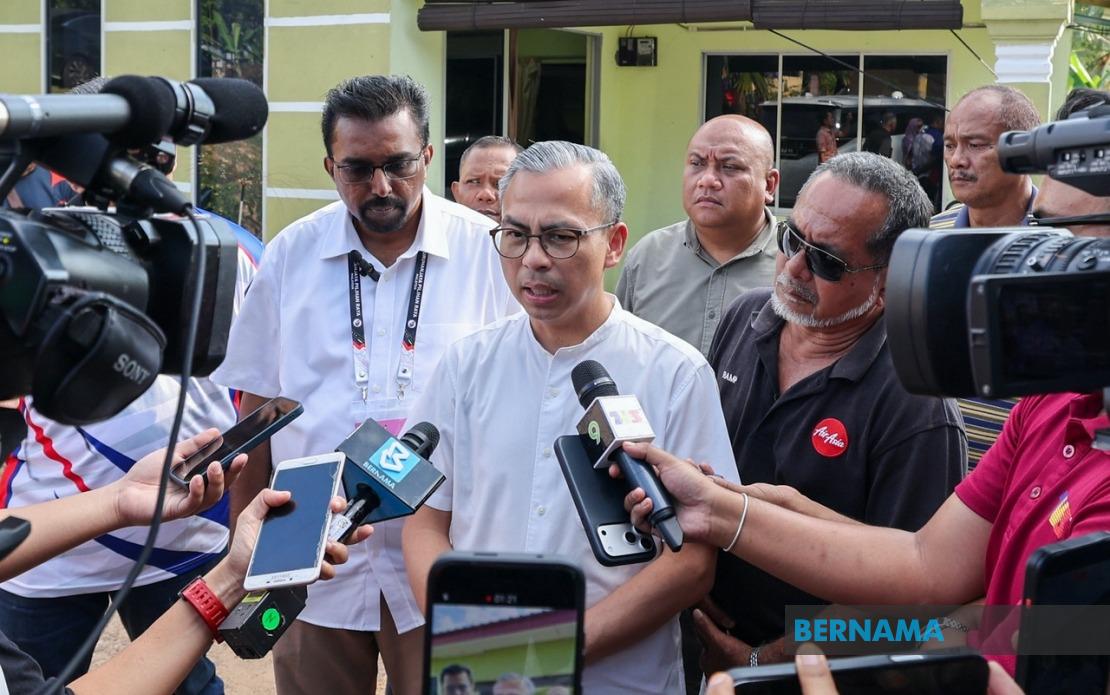
Malaysia's Communications Minister Datuk Seri Fahmi Fadzil has reinforced calls for the Royal Commission of Inquiry report on Tabung Haji to be released to the public, arguing that transparency is essential for restoring public confidence in the Islamic pilgrimage fund. Speaking at a government outreach programme in Jempol on July 23, Fahmi stressed that depositors, contributors, and ordinary Malaysians deserve access to the full findings of the inquiry, which investigated serious allegations regarding the disposal of the agency's valuable assets.
The push for disclosure reflects broader governance concerns surrounding Tabung Haji, which has faced mounting criticism over financial management practices and the handling of valuable properties. The inquiry itself represents an acknowledgment by the government that the issues warranted formal investigation at the highest level. By calling for public release of the report, Fahmi is positioning the current administration as committed to breaking with past opacity and institutional secrecy that has long characterized Malaysian government agencies.
Fahmi's remarks follow similar statements from Prime Minister Datuk Seri Anwar Ibrahim, who indicated that the government intends to publish the final RCI report without undue delay. Anwar suggested he would consult with Chief Secretary to the Government Tan Sri Shamsul Azri Abu Bakar on the mechanics of release, with expectations that the report would become available to the public no later than the following Wednesday from the date of his statement. This timeline signals that senior leadership views public disclosure as both inevitable and desirable, rather than a matter still under debate.
The transparency argument carries particular weight given Tabung Haji's role as custodian of funds held in trust by Muslim Malaysians preparing for the Hajj pilgrimage. Unlike commercial enterprises, pilgrim savings held within Tabung Haji carry religious and cultural significance, amplifying public expectations of ethical stewardship. When such institutions face allegations of mismanagement or improper asset sales, the reputational damage extends beyond financial concerns to questions about governmental respect for sacred trust. Releasing the RCI report addresses these concerns directly by subjecting institutional conduct to public scrutiny.
The inquiry examined allegations surrounding strategic asset sales, which reportedly involved valuable properties and land holdings. The nature and value of these assets, the decision-making processes that led to their disposal, and whether adequate value was obtained for the fund remain core questions for depositors. An independent royal commission investigation suggests the original transactions were sufficiently controversial to warrant formal review. Public access to the commission's findings would clarify whether irregularities occurred and what safeguards have since been implemented to prevent recurrence.
Fahmi emphasized that Tabung Haji's position has materially strengthened under current management compared to the period under scrutiny by the RCI. This assertion attempts to frame disclosure not as airing problematic institutional secrets but as demonstrating genuine reform and recovery. The minister's framing suggests that transparent revelation of past problems, coupled with evidence of organizational improvement, would actually reinforce rather than undermine public confidence. This approach represents a calculated gamble that accountability ultimately serves institutional rehabilitation better than continued confidentiality.
The timing of these statements appears significant. By early July, the government evidently felt sufficiently confident about institutional remedies and reforms to commit publicly to releasing findings. The relatively compressed timeline for publication—within days rather than months—indicates that ministers do not view the report as politically explosive or administratively problematic to release. This confidence may reflect either that the RCI findings, while critical of past practices, do not implicate sitting politicians in criminal misconduct, or that current leadership calculates political benefits from demonstrating transparency outweigh any reputational risks.
For Malaysian fund contributors and pilgrims with monies in Tabung Haji, the promised disclosure offers an opportunity to make informed assessments of institutional trustworthiness. This becomes particularly consequential given that alternative pilgrimage savings mechanisms remain limited, and most Malaysian Muslims have limited practical choice regarding where to deposit Hajj funds. Access to formal inquiry findings allows rational evaluation of whether past vulnerabilities have been adequately addressed through governance reforms, audit enhancements, or structural changes to oversight mechanisms.
The broader policy context matters as well. The government's willingness to commission a royal commission and subsequently commit to publishing its findings signals an evolution in how Malaysian public institutions address accountability. Historically, such inquiries frequently resulted in reports that remained classified or unpublished, their findings trickling out through unofficial channels or remaining permanently inaccessible. That stance increasingly sits uneasily with global governance standards and domestic expectations, particularly among younger, digitally connected populations accustomed to information access.
Implementation challenges may still arise during the publication process. Government agencies sometimes append restrictions, redactions, or delayed-release provisions to formally public documents, limiting their practical utility. The commitment to release the report must be accompanied by genuine accessibility—timely posting on official websites, copies available to pilgrims and contributors, and sufficient promotion to ensure actual public awareness. Releasing a 500-page technical document with minimal publicity would satisfy the letter of transparency obligations while failing to achieve genuine accountability.
The Tabung Haji inquiry represents a test case for post-2018 Malaysian governance commitments to transparency and public accountability. How thoroughly and accessibly the government releases this report, and how readily it responds to public questions and concerns raised by the findings, will signal whether rhetoric about institutional reform translates into genuine behavioral change. For Malaysian depositors with life savings tied to pilgrimage funds, and for Southeast Asian observers tracking Malaysia's governance trajectory, the impending report release carries significance extending well beyond a single agency's internal affairs.

