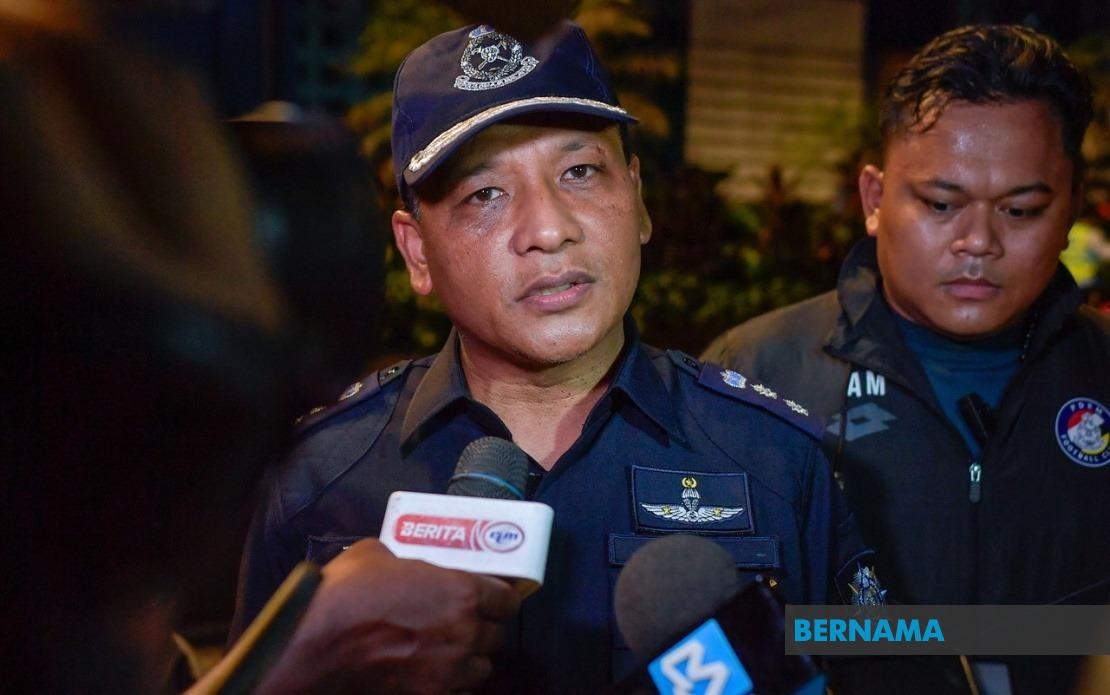
A tragic road accident in central Kuala Lumpur that claimed three lives early this morning has been escalated to the Attorney General's Chambers (AGC) for review and potential criminal charges. The Kuala Lumpur Traffic Investigation and Enforcement Department (JSPT) confirmed yesterday that the investigation paper would be handed over for legal assessment following coordination between police and the prosecution authorities.
According to JSPT chief ACP Mohd Zamzuri Mohd Isa, the file will be presented to the Head of the General Crime and Public Order Division at the AGC by the prosecution director and investigating officer. This procedural step marks the final phase of preliminary investigation, after which prosecutors will determine whether sufficient evidence exists to formally charge the individuals involved. The decision timing suggests conclusions from the initial inquiry have satisfied legal thresholds for escalation.
Two drivers remain under remand following the collision on Jalan Sultan Ismail around 1 am—the operator of the Kuala Lumpur Immigration Department truck and the driver of a Proton Saga sedan. Both individuals are being investigated under Section 41(1) of the Road Transport Act 1987, which addresses serious traffic violations. Police secured a one-day remand order enabling further questioning and evidence gathering before the handover to prosecutors.
The crash itself reveals a sequence of events raising questions about traffic management and official vehicle operations. The Immigration Department's "Black Maria" lorry, which was empty at the time and en route to Chow Kit for an immigration enforcement operation, allegedly ran a red traffic signal while its beacon and siren were activated. The truck subsequently collided with the Proton Saga, which was travelling through the same junction under a green light, indicating the private vehicle had the right of way.
The violent impact caused the official truck to lose control and veer from the roadway, striking multiple victims and a third vehicle—an Inokom Matrix—in the process. Three pedestrians from the same family were fatally injured: Shaik Mohd Firdaus Shaikh Yahya, 53, his daughter Siti Nor Sazlin, 25, and his younger daughter Siti Darwisyah Auni, 12. A fourth family member, identified as Norhayati Razali, 55, suffered serious injuries and was admitted to the Intensive Care Unit at Kuala Lumpur Hospital.
For Malaysian road safety advocates, this incident underscores persistent concerns about emergency vehicle protocols in densely populated urban areas. The question of whether official vehicles should proceed through red signals even with activated warning lights remains contested globally, with evidence suggesting beacon activation alone does not guarantee safe passage. The presence of multiple collision victims suggests circumstances where other road users could not adequately respond to the government truck's movements, despite its visual and audible warnings.
The referral to the AGC introduces another layer of complexity, as prosecutors must determine legal culpability within Malaysia's traffic and criminal frameworks. Section 41(1) of the Road Transport Act 1987 encompasses various traffic violations, but the specific charges—whether negligence, dangerous driving, or other offences—will depend on how prosecutors interpret the facts established during investigation. The involvement of an official government vehicle may also raise administrative and policy questions extending beyond criminal liability.
This tragedy carries implications for how Malaysia's government agencies operate heavy vehicles in metropolitan zones. The Kuala Lumpur City Hall and police traffic management divisions will likely review incident protocols, particularly concerning whether additional safety measures should be implemented when official vehicles transit busy commercial streets. The case could influence future guidelines governing beacon and siren deployment, especially during routine enforcement operations that do not constitute genuine emergencies.
For families grieving the unexpected loss of three relatives in a single incident, the legal process now underway provides a mechanism for accountability and potential justice, though it offers no compensation for their devastation. The intensive care treatment of the surviving family member will require substantial medical resources and extended rehabilitation. Insurance and compensation claims will likely emerge as secondary proceedings parallel to the criminal investigation.
The Attorney General's review expected to conclude in the coming days will represent a crucial juncture. Prosecutors must balance traffic law precedents, public safety considerations, and the particular facts surrounding an official vehicle's operations. Their determination will signal whether Malaysian legal frameworks view government drivers as subject to identical standards applied to civilian motorists or whether emergency status confers certain exemptions—a distinction carrying broader implications for traffic enforcement nationwide.
This incident also raises questions about whether the Immigration Department's operational procedures adequately address safe driving practices during enforcement missions. Training protocols, vehicle maintenance standards, and decision-making authority regarding beacon activation all represent areas where administrative review may prove necessary alongside legal proceedings. The government will face public scrutiny regarding whether sufficient safeguards exist to protect both enforcement personnel and civilians sharing roadways with official vehicles.

