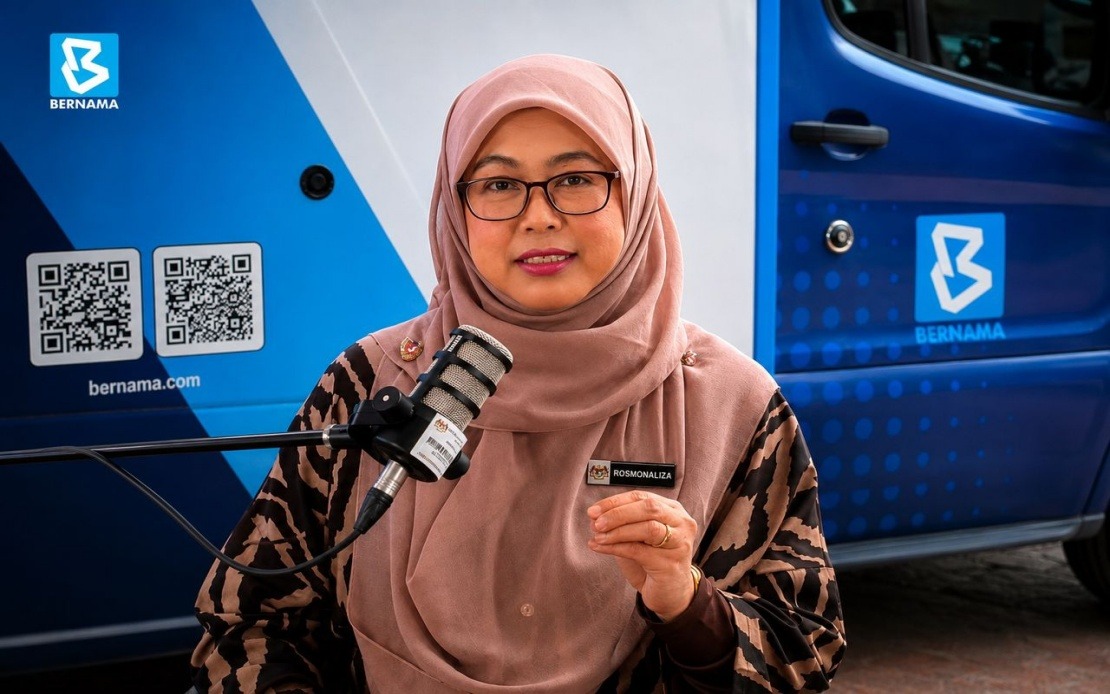
The landscape of family life in Malaysia is undergoing significant transformation, prompting national authorities to recalibrate expectations around paternal responsibilities. Rosmonaliza Abdul Ghani, director of the Family Well-being Division at the National Population and Family Development Board (LPPKN), has underscored the critical need for fathers to step up their engagement across three key dimensions: fostering open family dialogue, providing emotional scaffolding for their children, and taking an invested interest in educational pursuits. Speaking on the KASIH Lensa Keluarga podcast, she articulated a vision of fatherhood that extends well beyond the traditional economic provider model that has long dominated Malaysian family structures.
The shift in parental expectations reflects broader demographic and socioeconomic changes sweeping through Malaysian households. As urbanisation accelerates and dual-income families become increasingly prevalent, the compartmentalisation of family roles has become less tenable. Rosmonaliza framed this evolution not as a rejection of masculine contribution but as an expansion of it. Fathers today are positioned as transformational figures capable of building family resilience and fostering the emotional intelligences that children require to navigate an increasingly complex world. This reframing acknowledges that traditional divisions of labour, while perhaps functional in previous generations, no longer adequately serve the developmental needs of contemporary children or the psychological requirements of modern marriages.
A particularly encouraging trend emerging in Malaysian society is the growing willingness among men to pursue professional mental health support. Rosmonaliza noted that more fathers are now approaching counselling sessions, both individually and alongside their spouses and children. This represents a significant cultural shift in a region where masculine stoicism and reluctance to discuss vulnerability have historically served as barriers to help-seeking behaviour. The uptake of these services points to a gradual erosion of stigma surrounding mental health among Malaysian men, suggesting that previous interventions and public awareness campaigns have borne meaningful fruit.
LPPKN has positioned itself as a crucial institutional support mechanism in this transition. The board operates an array of programmes encompassing family counselling, individual therapy, and psychological assessments specifically designed for fathers navigating financial stress, mental health challenges, and the broader pressures of contemporary adult life. By establishing what Rosmonaliza termed a "safe space" for men to articulate their struggles without judgment, LPPKN acknowledges that paternal disengagement often stems not from indifference but from overwhelm and the absence of accessible support systems. This therapeutic stance represents a departure from punitive or shame-based approaches that have historically characterised responses to family breakdown in Malaysia.
The social costs of paternal absence extend far beyond individual family dysfunction. Rosmonaliza highlighted commentary from practitioners working with marginalised communities, who reported that many contemporary social pathologies originate in the absence of engaged father figures. Drug addiction, poverty, street homelessness, and juvenile delinquency frequently cluster in households where paternal involvement has diminished or disappeared entirely. The causal mechanisms are multifaceted: absent fathers mean reduced household income, certainly, but also the loss of male role modelling, diminished discipline and structure, and reduced capacity for emotional validation that children require. Understanding this relationship between paternal disengagement and social dysfunction provides crucial context for Malaysian policymakers considering resource allocation and intervention strategies.
Engaging fathers who have already become disconnected from family life requires a fundamentally compassionate approach rather than enforcement mechanisms. Those working with vulnerable male populations have learned that shame and accusation merely entrench the defensive postures that fathers adopt when overwhelmed. Rosmonaliza's colleague in this discussion advocated for interventions grounded in religious values and family principles, recognising that for many Malaysian men, reconnection to spiritual and cultural traditions provides powerful motivation for behaviour change. This approach acknowledges that sustainable transformation occurs when individuals internalise new identities rather than merely complying with external mandates.
The reciprocal nature of family emotional labour deserves particular emphasis. Fathers do not operate in isolation; their capacity to engage meaningfully with children depends partly on receiving recognition and encouragement from spouses and offspring. Rosmonaliza articulated an important plea to adult children and wives to communicate appreciation for paternal sacrifice before crises force such reckoning. She further challenged fathers to recognise that their presence carries immeasurable psychological weight that material provision cannot substitute for. This mutual accountability framework rejects the notion of fatherhood as a one-directional performance and instead frames family wellbeing as a collective endeavour.
The emphasis on quality family time represents a conscious pushback against materialist framings of parental contribution. In affluent Malaysian contexts particularly, there exists a tacit assumption that paternal love can be adequately expressed through financial provision—expensive educations, gadgets, holidays abroad. Rosmonaliza's intervention insists that children's deepest needs—for attention, validation, and witnessed presence—cannot be purchased. This message carries particular weight in a society where economic achievement often displaces relational investment. For fathers struggling with the guilt of insufficient material provision, this reframing offers liberation: they can contribute meaningfully regardless of economic circumstances.
The emerging paradigm around fatherhood in Malaysia reflects international psychological research demonstrating that paternal involvement significantly improves child outcomes across educational, emotional, and behavioural measures. Yet translating this knowledge into cultural practice requires sustained institutional effort and deliberate messaging that counters decades of gender socialisation. LPPKN's podcast series and counselling initiatives represent concrete attempts to shift male consciousness around parental roles. The organisation implicitly recognises that individual behaviour change happens most effectively when supported by institutional validation and accessible resources.
Looking forward, Malaysia's approach to fatherhood will likely continue evolving as economic pressures, educational expectations, and mental health awareness reshape family dynamics. The current institutional positioning of fathers as emotional contributors rather than mere economic providers suggests that future generations will inherit both greater expectations of paternal engagement and greater social permission to discuss the vulnerabilities that such engagement requires. For Malaysian families navigating rapid social change, this expanded conception of fatherhood offers both challenge and opportunity—challenge in that it requires men to develop capacities beyond those their own fathers modelled, and opportunity in that it permits deeper, more authentic family connections than older models permitted.

