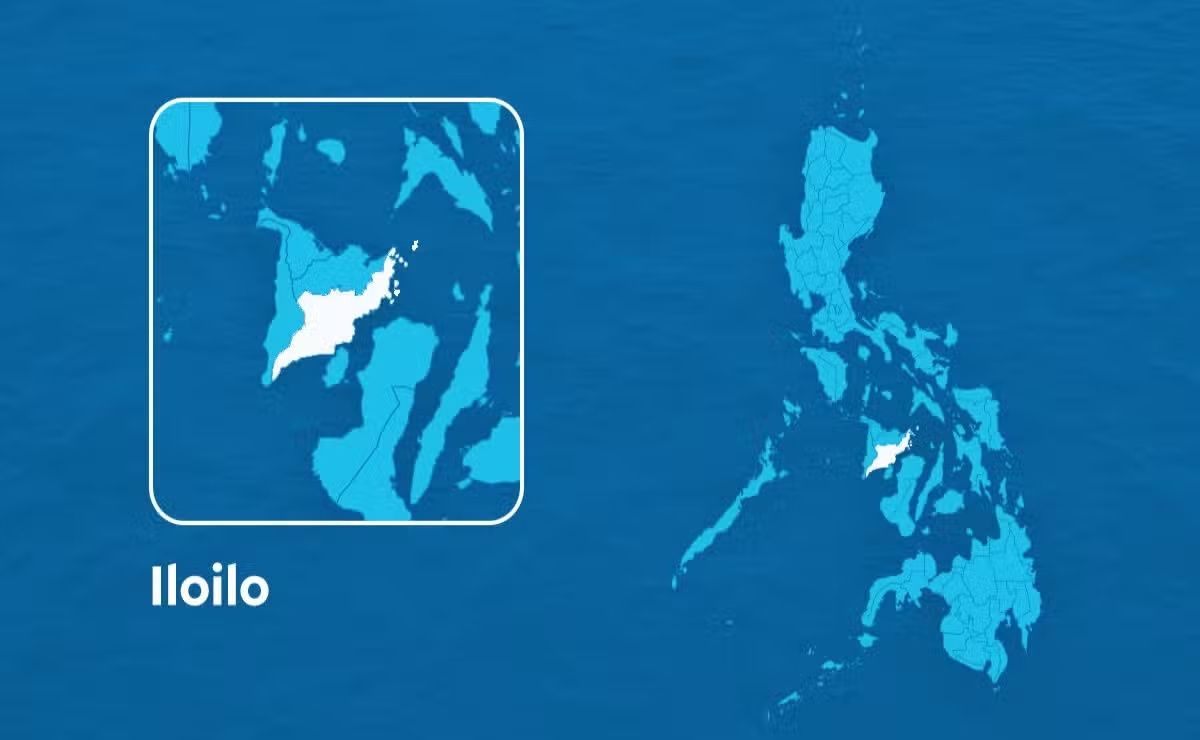
Rey Grabato II, an Ilonggo businessman recently designated by the US Federal Bureau of Investigation as one of its most wanted fraudsters, is currently in the Philippines, his family confirmed this week. The revelation came shortly after American authorities formally announced his placement on the FBI's Most Wanted list on August 13, citing allegations of conspiracy to commit securities fraud, securities fraud, wire fraud, and conspiracy to defraud the United States concerning tax matters. The confirmation from his family represents their first public acknowledgment of his whereabouts since the international law enforcement spotlight intensified on his case.
Mina Rey Grabato, the family patriarch and mayor of Iloilo town, disclosed on Friday that his son remains within provincial boundaries. However, the town mayor declined to elaborate beyond this basic confirmation, citing his preference for restraint in public discussion of the sensitive matter. His measured response reflected an apparent family strategy to address the accusations without amplifying the controversy further or commenting on the specific allegations lodged against Rey II. The mayor's brief statement underscored an apparent tension between transparency and discretion as the family navigates an unprecedented international legal crisis.
The family's official position, articulated through a detailed statement released by Christopher Rey Grabato, Rey II's youngest brother, introduces significant health complications into the narrative. According to Christopher Rey, his older brother suffered a severe stroke that has left him substantially incapacitated. The statement emphasises that Rey II is currently experiencing partial paralysis alongside significant functional limitations affecting his mobility, communication abilities, and cognitive capacity. This disclosure of medical vulnerability adds a humanitarian dimension to the case, as the family argues that immediate medical rehabilitation and ongoing treatment remain their primary concern.
Central to the family's defence is their assertion that Rey Grabato II has neither received formal notice nor any summons from either Philippine or American authorities. Christopher Rey stated categorically that neither Rey II nor any person acting with his authorisation has been served with legal documents by officials from either jurisdiction. This claim, if accurate, raises questions about how the FBI proceeded with its Most Wanted designation and what mechanisms exist for notifying fugitives operating across international boundaries. The statement suggests the family views the FBI announcement as premature or procedurally irregular, potentially strengthening their position for future legal proceedings.
The family's strategy includes an effort to reframe their eldest son's role within National Realty Investment Advisors, the company central to the federal accusations. According to Christopher Rey, financial publication Barron's, published by the Dow Jones & Company, cited federal prosecutors who characterised Rey II's leadership position at NRIA as merely "titular" in nature. This framing attempts to diminish his culpability by suggesting he held a figurative rather than substantive governing role. By invoking a respected financial publication's reporting of prosecutors' own characterisations, the family seeks to establish that Rey II was not the primary architect of whatever fraudulent schemes allegedly occurred at NRIA.
The family's narrative further emphasises that Thomas Nicholas Salzano, an individual with a more operational role at NRIA, had already been apprehended by federal authorities prior to Rey II's designation. The implicit suggestion is that the actual architect of fraudulent activities has already been detained and faces prosecution, potentially reducing Rey II's criminal exposure. This rhetorical strategy attempts to position the FBI's pursuit of Rey Grabato II as possibly targeting the wrong figure or at least a lesser player in an alleged conspiracy. For Malaysian and Southeast Asian observers, the case illustrates how cross-border financial crimes implicate multiple parties across different jurisdictions and how family dynamics intersect with international law enforcement.
The Forbes-connected Grabato family's prominence in Ilonggo society adds another layer of complexity to this case. As municipal leadership and apparent business interests converge, the international allegations have created significant reputational damage not only to Rey II personally but potentially to his family's broader standing in regional commerce and politics. The mayor's apparent reluctance to comment extensively suggests awareness of how detailed public statements might inadvertently prejudice his son's legal position or further complicate family relations.
For the Philippines, this case represents one in a growing number of complex white-collar crime investigations involving Filipino nationals allegedly operating sophisticated financial schemes with international dimensions. The involvement of multiple jurisdictions, the sophistication of alleged securities fraud mechanisms, and the cross-border nature of the wire fraud accusations all suggest criminal activity that extends beyond traditional financial crimes. The case also raises practical questions about how Philippine law enforcement will coordinate with American authorities regarding a citizen whom family members claim is too medically compromised to be safely transported or prosecuted.
The broader context includes heightened international scrutiny of financial fraud operations during an era when investment advisory schemes can attract funds from multiple countries simultaneously. NRIA's operations apparently involved sufficient complexity and scale to warrant FBI attention and Most Wanted status for a principal figure, indicating either substantial victim losses or systematic fraud affecting multiple constituencies. The fact that Rey II's co-conspirators have already faced apprehension by American authorities suggests an active and ongoing federal investigation with considerable momentum.
As this situation develops, the family's public relations effort appears aimed at humanising their son while simultaneously contesting the FBI's characterisation of his role and culpability. Their emphasis on his medical incapacity serves dual purposes: evoking sympathy while potentially creating practical obstacles to his extradition or arrest. For international observers and Malaysian legal professionals monitoring cross-border enforcement trends, the Grabato case demonstrates how transnational financial crime investigations intersect with family advocacy, medical considerations, and jurisdictional complications in ways that complicate straightforward law enforcement outcomes.

