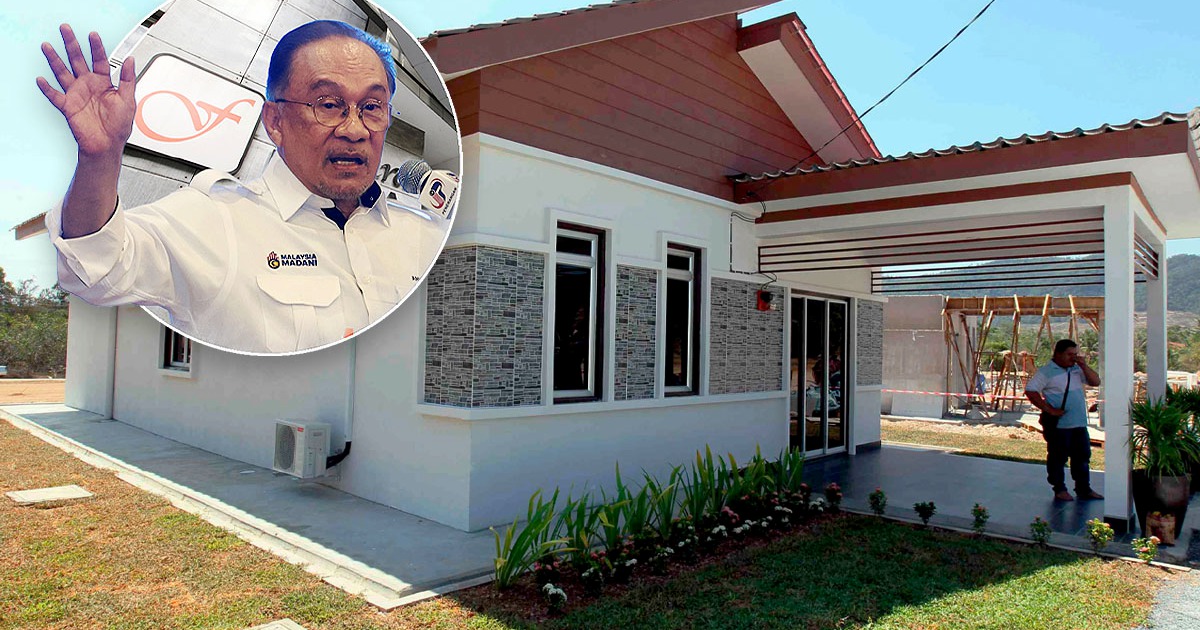
Prime Minister Datuk Seri Anwar Ibrahim has signalled his administration's commitment to improving the welfare of Felda settlers by advancing a second-home ownership scheme. The government intends to formally present a detailed policy paper to the Cabinet within the coming month, marking a significant step in delivering on promises made to the agricultural workforce that has long formed a crucial pillar of Malaysia's rural development landscape.
The initiative underscores the renewed focus on Felda's role in the broader economic strategy. The Federal Land Development Authority has for decades been responsible for settling smallholder farmers and allocating land for agricultural purposes, yet many settlers have faced persistent challenges in building personal assets beyond their primary landholdings. This proposed second-home scheme seeks to address wealth accumulation concerns among a demographic that has historically struggled with housing affordability in urban and semi-urban areas.
The timing of this announcement reflects heightened political attention to rural constituencies ahead of key electoral cycles. Felda settlers, numbering in the hundreds of thousands across peninsular Malaysia, represent a substantial voting bloc that governments have increasingly sought to engage with targeted welfare programmes. By placing this initiative on the Cabinet agenda, Anwar is positioning his administration as responsive to long-standing grievances within farming communities.
The specifics of how the second-home policy will function remain to be detailed in the forthcoming Cabinet paper. Potential mechanisms could include subsidised loans, land allocation schemes, or partnerships with private developers to offer discounted housing to eligible settlers. The government may also explore leveraging existing assets or restructuring financing arrangements to make property acquisition feasible for those with modest incomes.
For Malaysian policymakers, the scheme presents both opportunities and complexities. Housing initiatives aimed at specific demographic groups must balance fiscal sustainability with genuine affordability gains. The government will need to determine eligibility criteria, subsidy levels, and implementation timelines that prove both politically credible and economically sound. Experience with similar targeted housing programmes suggests that clarity in application procedures and transparent allocation mechanisms are essential to prevent perception of inequity among broader populations.
The announcement also highlights the evolving relationship between traditional agricultural development authorities and modern urban housing policy. Felda has traditionally focused on rural land settlement, yet today's settlers increasingly require pathways to property ownership in areas offering better access to services, employment, and education. A second-home initiative could signal institutional adaptation to demographic shifts and changing aspirations among farming families.
Regional implications should not be overlooked. Throughout Southeast Asia, agricultural communities face similar challenges in wealth creation and asset accumulation. Malaysia's approach to supporting Felda settlers through enhanced property policies may offer instructive lessons for neighbouring countries grappling with comparable rural development concerns. The scheme could also influence how other Malaysian constituencies with lower incomes—such as Orang Asli communities or marginalised urban populations—eventually gain access to homeownership support.
The Cabinet's pending review of this policy will likely involve scrutiny from multiple angles. Finance Ministry officials will assess fiscal impact and long-term sustainability, while the Ministry of Housing will evaluate implementation feasibility and integration with existing affordable housing programmes. Rural affairs specialists will contribute perspectives on how the scheme aligns with broader Felda reform objectives and settler livelihoods.
Stakeholders in the agricultural sector have long advocated for enhanced support mechanisms beyond traditional farming assistance. The second-home initiative represents tangible recognition of these demands and signals government willingness to think beyond conventional agricultural subsidies. However, success will ultimately depend on the policy's design details and the resources committed to execution.
As the Cabinet prepares to receive this paper, several questions will likely emerge. What price range will the second homes target? Will the scheme favour settlers in specific regions, or operate on a nationwide basis? How will government finance the programme amid competing budgetary pressures? These details will determine whether the initiative delivers meaningful benefits or remains largely symbolic.
For Felda settlers themselves, this development carries considerable significance. Homeownership has long been an aspiration for farming families seeking to secure their children's futures and build family wealth. A functional second-home policy could facilitate upward mobility within rural communities and demonstrate that government recognises the economic contributions settlers have made to national development.
The next month will be crucial as bureaucrats and officials prepare comprehensive analysis and recommendations for Cabinet consideration. Whether the policy eventually materialises as presented, or undergoes significant modification during governmental deliberation, will reveal much about the administration's genuine commitment to rural welfare enhancement versus the political necessity of addressing constituent demands ahead of electoral cycles. What remains certain is that Felda settlers now have concrete indication that their housing aspirations have reached the highest echelons of government attention.

