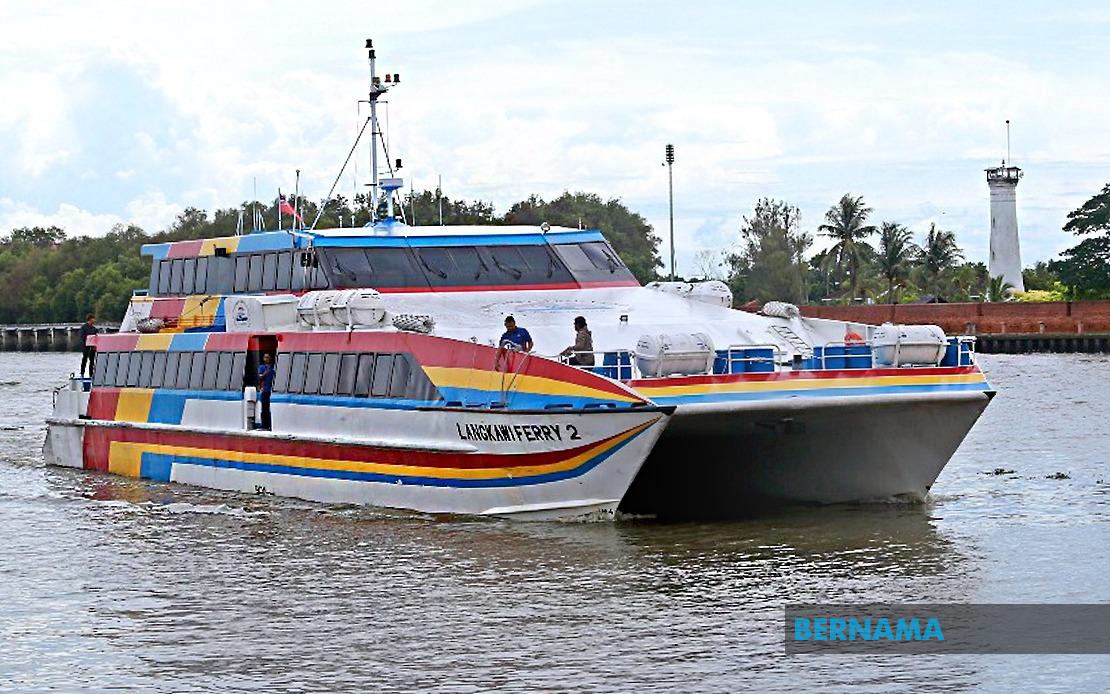
The operators of Langkawi's ferry services have raised alarm over the deteriorating condition of critical shipping lanes, urging the federal government to act swiftly on long-overdue dredging initiatives in Kuala Kedah and Kuala Perlis. According to Ferry Line Ventures Sdn Bhd operations manager Lieutenant Commander (Retired) Norhafiz Abdul Wahid, the accumulating silt in these waterways poses an escalating threat to the safety and efficiency of passenger ferry operations that form the backbone of transport links to the island.
The shallow waters represent far more than a minor inconvenience for operators and passengers. The reduced depth compromises the structural integrity of ferry routes, forcing vessels to navigate with diminished clearance margins that elevate accident risks while simultaneously creating bottlenecks that delay sailings and undermine schedule reliability. For an island destination utterly dependent on maritime connectivity, these operational disruptions carry cascading economic consequences that ripple through the tourism supply chain and impact regional commerce more broadly.
Langkawi's ferry sector carries extraordinary traffic volumes that underscore its strategic importance to national tourism infrastructure. Ferry Line Ventures' operational data indicates the passenger ferries have historically conveyed up to 25,000 tourists daily during peak holiday periods, a throughput that demonstrates the sector's critical role in servicing international and domestic visitor demand. The combination of growing passenger numbers, seasonal surges around school holidays and festival periods, and the anticipated influx expected during next year's Langkawi International Maritime and Aerospace Exhibition creates an urgent timeline for remedial action. Without intervention, the company warns that operational capacity will face severe constraints precisely when demand peaks.
The dredging imperative extends beyond immediate operational concerns to encompass broader economic and reputational dimensions. Sustained delays and reduced service reliability during high-season periods damage Langkawi's brand as a tourism destination and create friction in the travel experience at its gateway. Visitors who encounter cancelled sailings or protracted waiting times carry negative perceptions that undermine the island's competitive positioning within Southeast Asia's crowded leisure travel marketplace. The tourism sector's sensitivity to perceived accessibility challenges makes maritime infrastructure maintenance a proxy for destination management competence.
Norhafiz articulated the technical requirements clearly, emphasizing that dredging cannot be treated as a one-time remedial project but rather requires systematic, periodically scheduled maintenance operations to sustain navigational safety and operational efficiency. This perspective reframes the issue from emergency repair to essential ongoing infrastructure stewardship. The pattern of silt accumulation suggests structural deficiencies in maintenance protocols or inadequate allocation of resources to preventative management in these high-traffic corridors.
The timing of the appeal carries political weight. With Malaysia's domestic travel season intensifying through late August and into September, ferry operators have scheduled intensive service provision to accommodate school holidays and National Day celebrations. The company deployed 176 regular sailings supplemented by 66 additional trips across the August 27 to September 6 window, with passenger projections reaching approximately 90,000 travelers distributed across the two primary routes linking Langkawi with Kuala Perlis and Kuala Kedah. The operational scale underscores the sector's vulnerability to any disruption in channel navigability.
Ticket sales data indicates strong demand momentum. Ferry Line Ventures reported having sold 86,978 tickets through combined online, counter, and reservation channels by the time of the statement, demonstrating healthy market uptake. The company's promotional push for advance online ticket purchases through the Cuti-Cuti Langkawi application reflects operational realities—managing surge capacity during compressed holiday windows requires demand forecasting and advance commitment mechanisms that protect service continuity.
The dredging appeal arrives at a juncture where maritime infrastructure investment across Malaysia faces competing demands. Federal budget allocations require rigorous prioritization, and the Kedah and Perlis channels must compete against numerous other infrastructure maintenance needs across the archipelago. However, the economic multiplier effects of maintaining unimpeded ferry access to Langkawi—one of Malaysia's premier tourism destinations—potentially justify elevated prioritization, particularly given the relatively constrained geographic alternatives for reaching the island.
From a regional perspective, the situation illuminates broader Southeast Asian challenges around maritime infrastructure maintenance in high-traffic corridors. Siltation in tropical shipping lanes represents a persistent technical problem requiring capital-intensive solutions and sustained commitment to periodic dredging cycles. Countries across the region grapple with similar pressures as monsoon patterns, river systems, and natural coastal dynamics interact with escalating maritime traffic volumes. Langkawi's situation may foreshadow challenges that other regional ports and ferry routes will increasingly confront.
The ferry operators' statement reflects mounting anxiety about the adequacy of asset maintenance budgeting for critical transport infrastructure. By issuing public appeals to the federal government, they are escalating the issue beyond normal administrative channels, signaling that standard bureaucratic processes have not yielded adequate responses. This escalation tactic suggests frustration with implementation timelines and raises questions about coordination between maritime authorities, transport planners, and budget authorities in prioritizing maintenance of essential corridors.
Looking forward, the dredging question will likely shape the operational viability and growth trajectory of Langkawi ferry services through 2024 and beyond. Failure to execute timely dredging risks creating self-fulfilling prophecies whereby perceived service unreliability deters advance bookings, reducing revenue that operators might otherwise invest in fleet modernization or service enhancements. Conversely, timely federal intervention could position ferry services to capture rising tourism demand and cement Langkawi's position as an easily accessible leisure destination for regional and international visitors seeking convenient maritime connectivity.

