Selangor's Islamic heritage festival is stepping onto the national stage this year. The Festival Turath Islami Selangor, which has run successfully for three editions, will be rebranded and expanded as Festival Turath Islami Malaysia 2026, representing a significant shift in scope and ambition for the annual celebration of Islamic scholarly traditions. The upgraded event will operate on a substantially larger scale, moving its operations from state-level venues to the federal territory, underscoring the central government's commitment to preserving and promoting Islamic cultural heritage as a cornerstone of societal development and intellectual advancement.
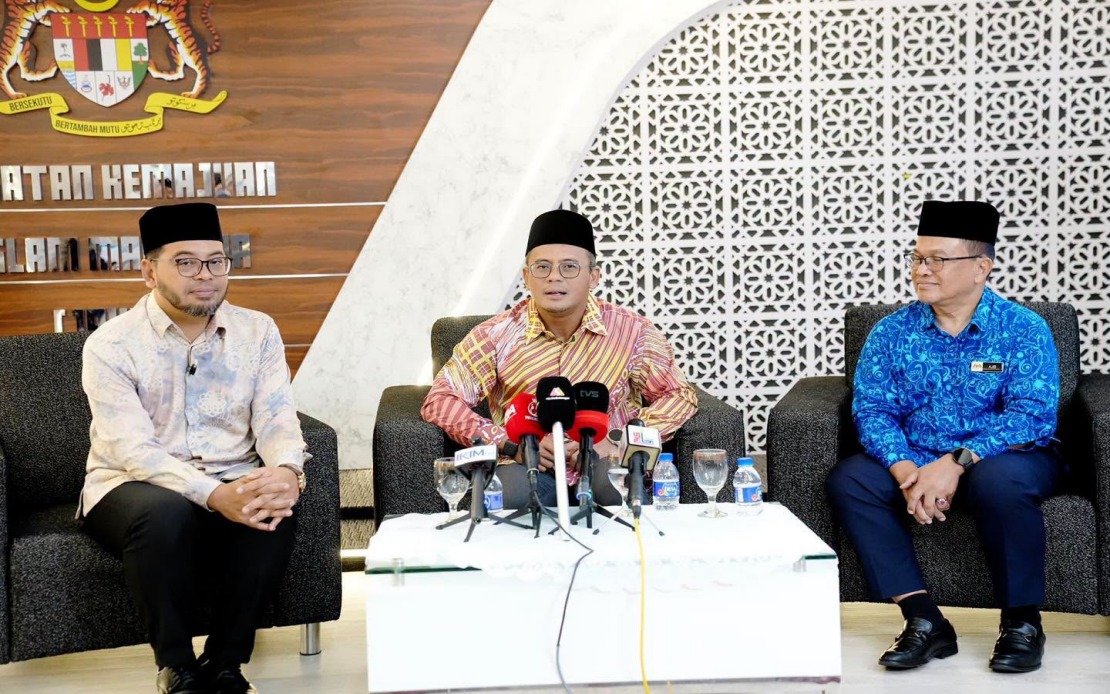
Selangor Menteri Besar Datuk Seri Amirudin Shari announced the transition at a media briefing in Putrajaya, revealing that the festival's fourth iteration will unfold over eight days beginning September 13. The shift in venue from the Selangor State Mosque to the Putra Mosque in Putrajaya symbolises not merely a change of location but a fundamental recalibration of the festival's institutional standing. The decision to anchor the festival at Malaysia's national mosque situates Islamic heritage scholarship within the highest echelons of national cultural discourse, reflecting how provincial initiatives can evolve into platforms of genuine national significance.
FTIM 2026 represents a collaborative venture between the Selangor State Government and the federal government through the Prime Minister's Department (Religious Affairs), with Minister Dr Zulkifli Hasan attending the announcement. This partnership structure demonstrates how federalism can facilitate complementary state and national governance efforts in cultural and religious affairs. The cooperation between Selangor, often seen as a bellwether for policy innovation, and federal authorities, signals an alignment in priorities regarding the preservation and celebration of Islamic intellectual traditions. Such coordinated initiatives can establish templates for future collaborations across Malaysia's complex constitutional architecture.
The 2026 edition will examine Al-Hikam al-Ata'iyyah, a classical Sufi philosophical work composed by Ibn Ata-illah As-Sakandari, under the thematic framework "Hikmah Warisan Islam," or Islamic Heritage Wisdom. This particular text deserves attention from Malaysian audiences familiar with Sufi traditions that have historically permeated Malay-Muslim intellectual life. Al-Hikam al-Ata'iyyah distils insights on sincerity, trust in the divine, and the spiritual relationship between humans and God—concepts that retain contemporary resonance for believers navigating modern secular societies. The classical work's enduring influence throughout the Islamic scholarly world, particularly across the Malay archipelago, justifies its selection as the festival's focal point and demonstrates how centuries-old wisdom continues informing contemporary Malaysian Islamic thought.
The festival's intellectual lineage spans three preceding years of serious textual engagement. The inaugural edition explored Ihya' 'Ulumuddin, Al-Ghazali's monumental work on the revival of religious sciences. Subsequent years examined Al-Arba'in al-Nawawiyah by Imam al-Nawawi and Tafsir al-Jalalain, a foundational Quranic commentary. This structured progression through canonical Islamic texts reflects a deliberate pedagogical approach, building scholarly understanding systematically rather than treating heritage arbitrarily. For Malaysian readers unfamiliar with these classical Islamic texts, understanding that a festival dedicates years to substantive examination of seminal works illustrates how serious scholarship can command popular engagement in an entertainment-saturated media landscape.
FTIM 2026 will convene 23 scholars representing both local and international Islamic academic traditions, with participation from prominent figures including Sheikh Dr Ali Jum'ah, an internationally recognised Islamic jurist and former Grand Mufti of Egypt. Alongside international scholars, the festival features prominent Malaysian Islamic intellectuals including Prof Dr Sayyid Idris al-Fasi al-Fihri, Ustaz Dr Adi Hidayat, Ustaz Wadi Annuar, and Selangor Mufti Datuk Setia Dr Haji Anhar Haji Opir. This composition ensures dialogue between globally recognised Islamic scholarship and locally grounded knowledge traditions, creating intellectual cross-pollination valuable for Malaysian audiences seeking sophisticated engagement with Islamic thought without requiring international travel.
The festival's programming encompasses more than 42 scholarly sessions, delivering intensive intellectual engagement across its eight-day duration. Beyond formal lectures, attendees will participate in Kuliah Subuh—dawn religious lessons—Dalail al-Khairat recitations, and Talaqqi Kitab sessions where participants engage directly with classical texts through traditional Islamic pedagogical methods. Complementing these scholarly components, the festival schedules Tausiah Perdana addresses, Qasidah ceremonies, and an Islamic Book Festival, thereby balancing intellectual rigour with cultural celebration. This programming diversity acknowledges that heritage appreciation encompasses multiple modes of engagement, from rigorous textual study to devotional practices to contemporary literary engagement.
A novel component for 2026 involves the National Muzakarah Ulama Turath, bringing together Islamic scholars from across Malaysia's federal system to discuss contemporary challenges facing Muslim communities while grounding deliberations in classical heritage frameworks. This gathering represents institutional innovation, formalising inter-state scholarly coordination on Islamic affairs at the national level. For Malaysian observers, such structures matter because they can influence how Islamic intellectual traditions inform policy discussions across diverse political jurisdictions, from Perlis to Sabah. The muzakarah model potentially establishes precedent for federally-coordinated scholarly forums addressing contemporary issues through classical Islamic intellectual resources.
The expansion from state festival to national festival carries implications for how Malaysia positions Islamic heritage within its broader national narrative. Southeast Asian societies increasingly recognise cultural heritage as both spiritual asset and soft power resource. By elevating Selangor's initiative to national status, Malaysia signals investment in preserving and celebrating classical Islamic intellectual traditions at a moment when such heritage competes with digital content and secular knowledge systems for public attention. The festival's growth trajectory reflects confidence that serious scholarly engagement with Islamic texts remains culturally vibrant in contemporary Malaysia, capable of drawing substantial audiences and commanding government resources.
Registration details for FTIM 2026 remain forthcoming through the festival's official digital platforms, with complete programming announcements anticipated in coming weeks. For Malaysian readers interested in Islamic scholarship, religious studies, or cultural heritage preservation, this expanded festival offers rare opportunity for concentrated intellectual engagement with some of the Islamic world's most influential philosophical and theological works, delivered by internationally credentialed scholars at the national capital's most significant mosque. The festival's evolution from provincial initiative to national institution exemplifies how cultural initiatives can achieve genuine national significance through systematic intellectual focus and strategic institutional partnerships.

