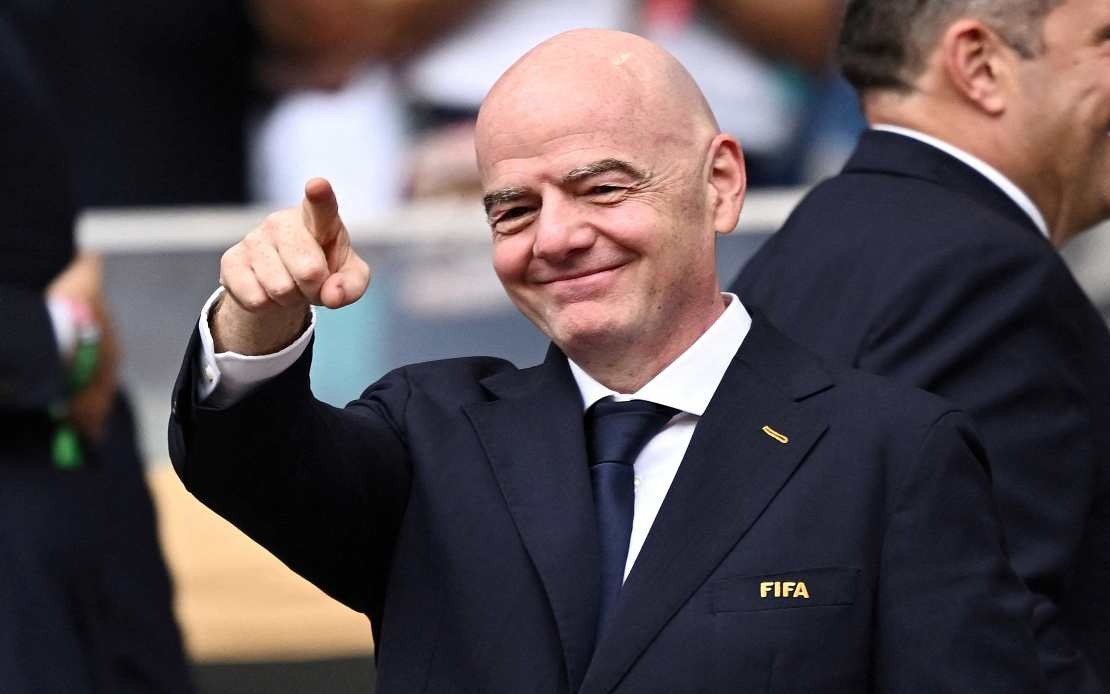
FIFA has circulated pre-written letters to national football associations endorsing the re-election of President Gianni Infantino, according to reports from Russian media outlets. The correspondence, which highlighted Infantino's track record in advancing sports infrastructure and women's football initiatives, was distributed to various associations in advance of the FIFA World Cup scheduled for the United States, Mexico and Canada. The letters arrived with names and signatures of association presidents already completed, raising questions about the authenticity of individual endorsements, though notably not every association received copies of the materials.
The timing of the letter campaign coincides with significant upheaval within football's governing body. In July, FIFA unveiled an ambitious financial plan to raise US$4.2 billion through the sale of approximately 20 per cent ownership in a newly created entity designed to hold the organisation's media and commercial rights, encompassing broadcasting agreements and World Cup-related revenues. This restructuring would fundamentally reshape FIFA's business model and potentially concentrate substantial decision-making power in external investors' hands.
Reports indicate that Joshua Kushner, brother of Jared Kushner who serves as a senior adviser to United States President Donald Trump, may be positioned to acquire this stake through an investment fund he manages. The involvement of figures connected to the Trump administration has drawn international scrutiny, particularly given ongoing debates about the politicisation of global sports governance. The financial manoeuvre represents one of the most significant commercialisation initiatives undertaken by FIFA in recent years.
Europe's football establishment has responded with considerable hostility to the proposed restructuring. The Union of European Football Associations (UEFA) announced that all its member associations would refuse to participate in FIFA-sanctioned tournaments until the commercial proposal is entirely abandoned. This boycott threat carries substantial weight given Europe's dominance in international football and its financial contributions to FIFA's revenue streams. The stance reflects deep concerns about losing control over crucial decisions affecting the sport's future direction.
The pre-written letter initiative appears designed to demonstrate widespread support for Infantino amid this escalating institutional conflict. However, the practice of pre-filling association signatures fundamentally undermines the credibility of the endorsements and raises troubling questions about FIFA's commitment to democratic processes. National associations that received these letters effectively had their positions predetermined, removing their agency in expressing genuine views about Infantino's leadership and the proposed commercial changes.
Infantino, who has led FIFA since 2016, has previously weathered various controversies surrounding governance and transparency within the organisation. His tenure has witnessed substantial reforms to FIFA's internal structures, though critics argue these changes remain insufficient to address systemic corruption and opaque decision-making patterns that characterised earlier administrations. The current pressure from European football bodies represents perhaps his most serious challenge since assuming office.
For Malaysian football stakeholders and regional observers, these developments carry implications for governance standards within Asian football and FIFA's broader global operations. The Football Association of Malaysia and other Asian associations may face pressure to take positions on both Infantino's leadership and the proposed commercial restructuring. Southeast Asian nations, which have limited influence compared to European football powerhouses, could find themselves marginalised in consequential debates about FIFA's future strategic direction and financial priorities.
The letter campaign also highlights tensions between FIFA's centralised authority and the autonomy of national football associations. While FIFA historically claims to represent member associations' collective interests, this episode demonstrates how the organisation can effectively override individual associations' decision-making capacity through pre-emptive communications. Such practices erode trust and suggest FIFA's internal governance mechanisms remain vulnerable to manipulation, despite previous reform initiatives.
The controversy extends beyond football governance into broader questions about international sports organisations' accountability. As global sporting bodies increasingly engage with large-scale commercial investors and government-connected figures, tensions between commercialisation imperatives and democratic oversight intensify. FIFA's handling of the Infantino endorsement and the Kushner investment proposal will likely influence how other international sports organisations approach similar governance challenges in coming years.
Infantino has not publicly addressed the letter distribution campaign or responded directly to accusations that the endorsements lack genuine foundation. His silence, combined with mounting institutional pressure and the possibility of a European boycott, suggests FIFA faces a critical juncture in its ongoing struggle to balance commercial ambitions with maintaining stakeholder confidence. The resolution of these conflicts will substantially shape international football governance and potentially establish precedents affecting other global sports organisations.

