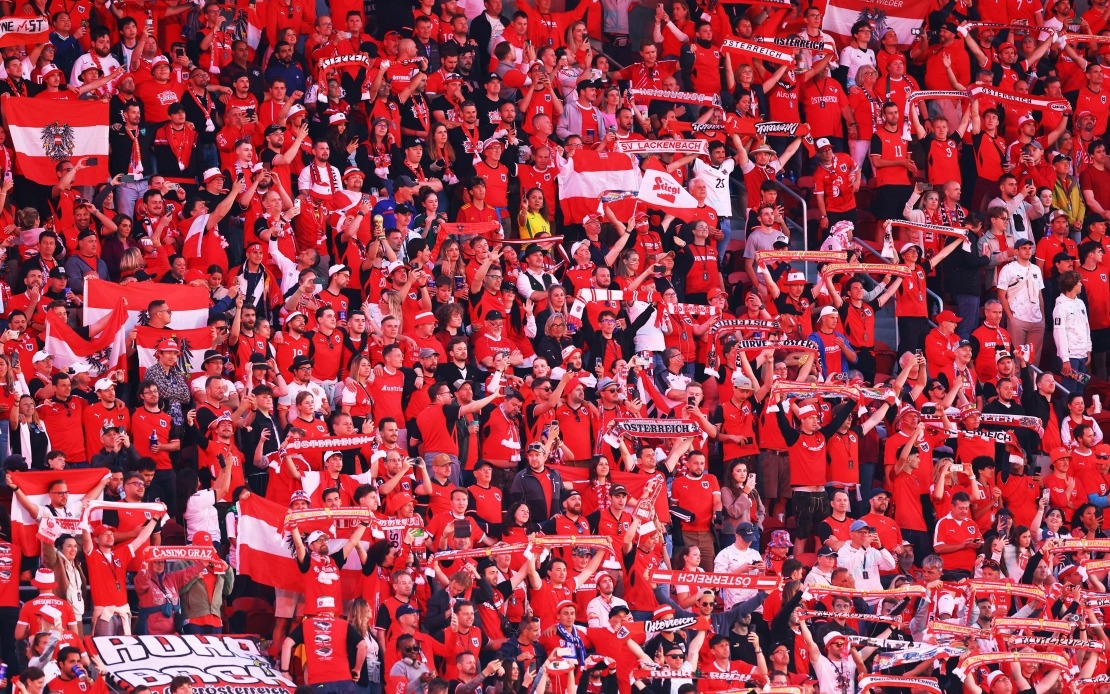
The expanded World Cup format across the United States, Canada, and Mexico has delivered a commercial and sporting triumph, shattering multiple records as the tournament progressed through its initial stages. According to FIFA, the 72 group-stage matches attracted 4.644.549 attendees, a substantial increase from the 3.587.538 who watched the 1994 tournament held in the United States, adding more than a million spectators to the tally despite the format differences between the two editions.
The comparison between tournaments reveals the nuanced reality of stadium capacity and fan engagement. The 1994 event featured 24 teams and 52 matches total, representing half the number of teams and contests compared to this edition's 48-team format. Despite the dramatic increase in total attendance figures, the per-match average tells a different story. The current tournament averaged 64,508 spectators per game, slightly below the 68,991 average recorded three decades earlier, suggesting that while the expanded format attracts larger overall crowds, individual matches in the 1990s drew slightly more intense attendance per fixture. This distinction matters for understanding how the modern game distributes its fan interest across more venues and matches.
For Southeast Asian readers, particularly Malaysians following global football developments, this expansion represents a significant shift in how FIFA structures its flagship competition. The larger format means more nations qualify and participate, potentially creating pathways for regional teams seeking qualification. The attendance data indicates that the tournament format successfully energized North American audiences, though the slight decrease in per-match attendance suggests spectator interest becomes diluted when the schedule expands significantly.
Scoring records underscore the attacking nature of this tournament's group stage. FIFA documented 215 goals across the 72 matches, averaging three goals per game. This represents a marked increase from the 2022 Qatar tournament, where 32 teams played 64 matches and produced 179 goals with a 2.8 per-game average. The elevated goal tally reflects either more aggressive attacking play in the expanded format or defensive adjustments not yet optimized against unfamiliar opposition encountered in the larger pool of competing nations. The distinction carries tactical implications that match analysts across the region are undoubtedly studying as their national teams prepare for future qualifying campaigns.
The scale of player utilization further illustrates the tournament's expanded scope. The 48 participating nations deployed 999 players collectively across the group stage, a figure that attained symbolic significance when Canada's captain Alphonso Davies became the 1,000th player to appear at the tournament upon taking the field during his team's knockout-stage victory over South Africa. This milestone, while somewhat arbitrary numerically, represents the sheer depth of talent required to field competitive squads in an expanded competition and highlights how the larger format provides opportunities for players who might not have appeared in traditional 32-team tournaments.
Beyond the pitch, the tournament's commercial footprint proved equally impressive. Stadium concession sales revealed the scale of fan engagement and spending patterns across the three host nations. FIFA reported that 2.8 million beers were sold within stadiums, accompanied by nearly one million bottles of water, reflecting North American consumption preferences and hydration awareness. The 300,000 hot dogs sold across all venues underscores traditional stadium food culture in the host countries, offering a tangible metric of the tournament's integration into local hospitality and commerce infrastructure.
The official fanfest zones established in the three host countries extended the tournament's reach beyond traditional stadium attendance. These fan engagement areas attracted more than 5.5 million visitors, indicating substantial interest from individuals unable to secure match tickets or preferring the community atmosphere of designated celebration zones. These fanfest visitors consumed more than 2 million alcoholic beverages and nearly 2 million soft drinks, demonstrating that tournament economics extend across multiple revenue streams and venue types. For Malaysian organizers considering major sporting events, the fanfest model represents a valuable template for broadening accessibility and maximizing community participation in international tournaments.
The record-breaking attendance and consumption figures carry implications for future tournament planning. The data suggests that expanding the format succeeds in attracting larger absolute numbers of spectators and consumers, validating FIFA's decision to increase the team count from the traditional 32. However, the slightly lower per-match average warrants consideration when evaluating whether expansion serves quality of experience for individual attendees or primarily maximizes aggregate economic impact. This distinction becomes relevant for Southeast Asian nations potentially bidding for hosting rights in future expanded World Cup editions.
From a regional perspective, Malaysia and other Southeast Asian countries observe these trends as potential qualifying pathways expand. The larger tournament format theoretically improves regional teams' odds of reaching the finals, as more spots become available from each confederation. Understanding the competitive dynamics and commercial success of the expanded format provides context for how regional football federations might approach future World Cup campaigns and infrastructure investments. The tournament's success in North America strengthens FIFA's commitment to maintaining the 48-team format for future editions, making participation an increasingly achievable goal for developing football nations across Asia.

