FIFA's bold expansion of the World Cup to 48 teams this year was meant to embody the sport's most ambitious vision of global inclusion, welcoming smaller footballing nations onto the world's grandest sporting stage for the first time. Yet the Sport & Rights Alliance contends that the governing body fundamentally failed to deliver on that promise, with stringent American visa requirements effectively locking out international supporters and workers despite FIFA's welcoming rhetoric.
The tournament marked a historic milestone by growing from the traditional 32-team format, creating fresh opportunities for emerging football powers to compete at the highest level. This structural change was celebrated as a watershed moment for the sport's democratization. However, the vision of a truly open global celebration was undermined by immigration enforcement at the United States border, which acted as an unanticipated gatekeeper. For supporters and workers from numerous nations, the dream of attending turned into a bureaucratic nightmare.
Ronan Evain, executive director of Football Supporters Europe, highlighted the stark reality faced by fans from countries across the Middle East, North Africa, and Central Asia. He pointed out that supporters from Morocco, Egypt, Jordan, Iraq, and Uzbekistan encountered near-total rejection at the visa application stage, leaving ticket holders unable to attend matches despite holding valid entry documentation for the tournament itself. The disconnect between FIFA's inclusive messaging and the actual experience of potential attendees revealed a fundamental gap between aspiration and execution.
The situation proved particularly acute for certain African nations. Senegal, whose national team had qualified for the tournament, saw its supporters dramatically underrepresented in stadiums, after the United States suspended visa issuance to most of that country's citizens. This visa moratorium meant that even dedicated fans with resources and motivation faced an insurmountable barrier. The visual impact—empty sections where passionate supporters should have filled seats—served as a daily reminder of the tournament's unfulfilled promises.
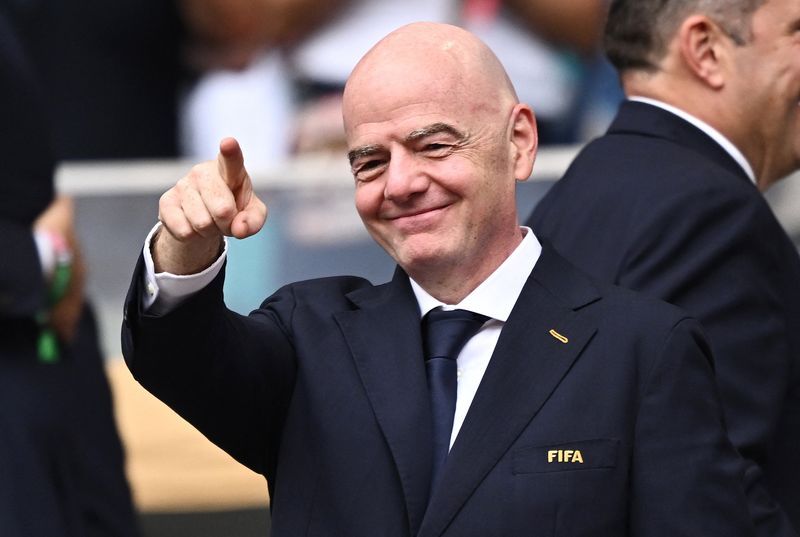
FIFA President Gianni Infantino deflected responsibility by stating that immigration decisions ultimately remain the prerogative of national governments rather than the international sports body. This position, while technically accurate, rang hollow for advocates who pointed out that FIFA explicitly promoted the United States as a host capable of welcoming the world. The organisation's inability or unwillingness to negotiate accommodations or advocate forcefully for easier visa access suggested a mismatch between public commitments and private diplomatic efforts.
US Homeland Security Secretary Markwayne Mullin defended the restrictive stance, claiming his department had coordinated extensively with FIFA officials. Yet the restrictive outcome suggested that security concerns were prioritized over the tournament's stated inclusivity goals. The situation reached an absurd nadir when Omar Abdulkadir Artan, a Somali World Cup referee carrying a valid visa, was barred from entering the country. FIFA's Infantino's public instruction to "chill, relax" seemed tone-deaf given such concrete exclusions of officials directly involved in the competition.
The Trump administration's justification for blocking Artan and others cited alleged links to suspected members of terrorist organisations, reflecting the administration's broader immigration enforcement posture. This security-first framework, while presented as necessary protection, effectively transformed the World Cup into a venue where geopolitical tensions and immigration politics took centre stage alongside the football itself. For Southeast Asian observers, the incident illustrates how major international events can become casualties when host nations prioritize security frameworks over sporting ideals.
The Sport & Rights Alliance had raised these concerns proactively, warning before the tournament began that FIFA had effectively permitted a "distinctively dangerous climate of fear" to pervade the event, exacerbated by concurrent immigration crackdowns. The organisation plans to release a comprehensive report in September detailing human rights violations and access issues encountered throughout the tournament, promising to document the human costs of restrictive policies.
Minky Worden, director of global initiatives at Human Rights Watch, acknowledged the tournament's genuine achievements while refusing to overlook the darker realities. Haiti's participation—the nation's first World Cup appearance in 52 years—represented genuine progress, as did Cape Verde's unexpected run and the celebration of LGBTQ+ visibility through Pride Match Day in Seattle. These moments of joy and progress were undeniably real and valuable for the sport's development.
Yet Worden emphasised that these bright spots could not erase what she described as "the dark side of policies by the tournament's principal hosts." The contrast between FIFA's inclusive messaging and the restrictive realities on the ground created a cognitive dissonance that undermined the tournament's legitimacy as a truly global celebration. For future World Cup planning, the experience suggests that rhetorical commitments to inclusivity require far more robust coordination with host governments and contingency measures to prevent immigration bureaucracies from contradicting sporting ideals.
The incident carries particular significance for Malaysia and Southeast Asia, where nations increasingly host or aspire to host major international sporting events. The World Cup experience demonstrates that securing the hosting rights and constructing stadiums represents only the beginning. Host nations must genuinely align their immigration and security policies with their public commitments to openness, or risk the event becoming a case study in broken promises and exclusionary practices that undermine the universal language football is meant to speak.

