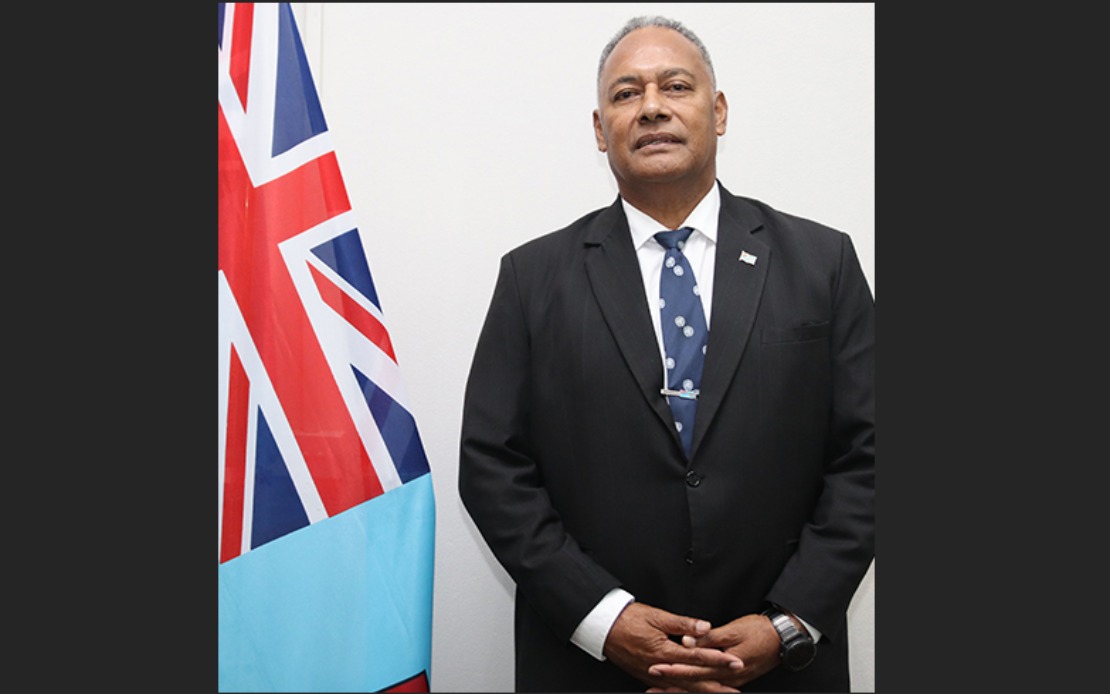
Fiji's Foreign and External Trade Minister Sakiasi Raisevu Ditoka is undertaking a four-day working visit to Malaysia beginning Sunday, marking a significant diplomatic engagement aimed at deepening the relationship between the two nations across multiple sectors. The visit, which will conclude on Wednesday, represents an opportunity for both governments to address shared priorities in economic development, regional stability, and cultural exchange.
During his time in Kuala Lumpur, Ditoka will hold substantive discussions with Malaysia's Foreign Minister Datuk Seri Mohamad Hasan. These conversations will focus on expanding bilateral cooperation frameworks, with particular emphasis on strengthening trade and investment linkages between the two countries. The agenda reflects a broader strategic interest in enhancing economic ties at a time when both nations are exploring new pathways for regional engagement and development partnerships.
Beyond trade metrics, the ministers will examine opportunities for collaboration in several specialized areas that align with contemporary global priorities. Capacity building initiatives feature prominently on the agenda, potentially involving technical exchanges and skills transfer programmes. Forestry cooperation also features, given Malaysia's established expertise in sustainable forest management and Fiji's significant forest resources. The discussion will further encompass renewable energy development, an increasingly critical sector as Pacific island nations seek to transition away from fossil fuel dependency and enhance energy security.
Cultural exchange forms another pillar of the discussions, reflecting the two countries' shared commitment to people-to-people connections. These initiatives often prove instrumental in building long-term diplomatic relationships and fostering mutual understanding between societies. The visit thus represents not merely transactional negotiations but a comprehensive effort to embed cooperation across multiple societal levels.
The ministers will also use the meeting to address broader regional and international developments. This exchange of perspectives on regional security, climate action, and international governance reflects Malaysia's role as a significant regional power and Fiji's position as an important voice among Pacific island nations. Such conversations enable both countries to align positions on issues of mutual concern and explore coordinated approaches to global challenges.
Complementing his diplomatic engagements, Ditoka will meet Investment, Trade, and Industry Minister Datuk Seri Johari Abdul Ghani to explore new frontiers in economic cooperation. This separate discussion acknowledges the distinction between political-diplomatic channels and commercial-trade relationships, allowing for detailed technical discussions on specific investment opportunities and sectoral collaborations that could generate tangible economic benefits.
A particularly significant element of the visit involves institutional developments. Ditoka will officiate the reopening of Fiji's High Commission in Kuala Lumpur, signalling renewed institutional commitment to the bilateral relationship. The High Commission's reopening carries symbolic weight, demonstrating both nations' determination to maintain robust diplomatic presence and facilitate regular high-level communication. Simultaneously, the establishment of the Malaysia-Fiji Business Council represents a private sector initiative designed to foster commercial relationships between businesses from both countries, providing a dedicated platform for entrepreneurs and corporations to identify partnership opportunities.
Bilateral trade figures underscore the economic significance of this relationship. In 2025, total bilateral trade reached RM880.01 million, equivalent to approximately US$206.2 million. Malaysia's export position dominates this relationship, with Malaysian exports valued at RM867.92 million against imports from Fiji totalling RM12.09 million. This substantial trade imbalance reflects Malaysia's more developed industrial base and export capacity, though it also highlights opportunities for Fiji to increase value-added exports and for Malaysian companies to access Pacific island markets.
The trade composition merits examination within the broader Southeast Asia-Pacific context. Malaysia's significant export advantage suggests scope for expanding Fijian purchases of Malaysian manufactured goods, technology, and services. However, the relatively modest import volume from Fiji points to opportunities for developing Fijian export industries, particularly in agriculture, fisheries, and tourism-related products that could appeal to Malaysian consumers and businesses. The Business Council's formation may catalyse efforts to rebalance trade flows through enhanced business-to-business engagement.
For Malaysia, deepening engagement with Pacific island nations represents a strategic geographic expansion of economic diplomacy. Fiji, as a major Pacific hub, provides access to broader regional markets and positions Malaysia advantageously for infrastructure and development projects throughout the Pacific. The visit therefore extends beyond bilateral concerns to encompass Malaysia's broader Indo-Pacific strategy and its commitment to engaging distant but strategically important partners.
For Fiji and Pacific island nations more broadly, partnerships with established Southeast Asian economies like Malaysia offer pathways for development assistance, technology transfer, and market access. Malaysia's experience in industrialisation and regional integration provides valuable lessons for Pacific economies navigating globalisation challenges. The cooperation framework being solidified through this visit may serve as a template for deeper engagement across the Pacific island community.
The timing of this diplomatic initiative carries implications for Southeast Asian regionalism and Australia's traditional sphere of influence in the Pacific. Malaysia's proactive engagement with island nations demonstrates ASEAN's expanding role in regional architecture and counters any assumptions that Pacific relationships remain exclusively within Western or Australian purview. This represents a quiet but significant recalibration of regional power dynamics and institutional influence.

