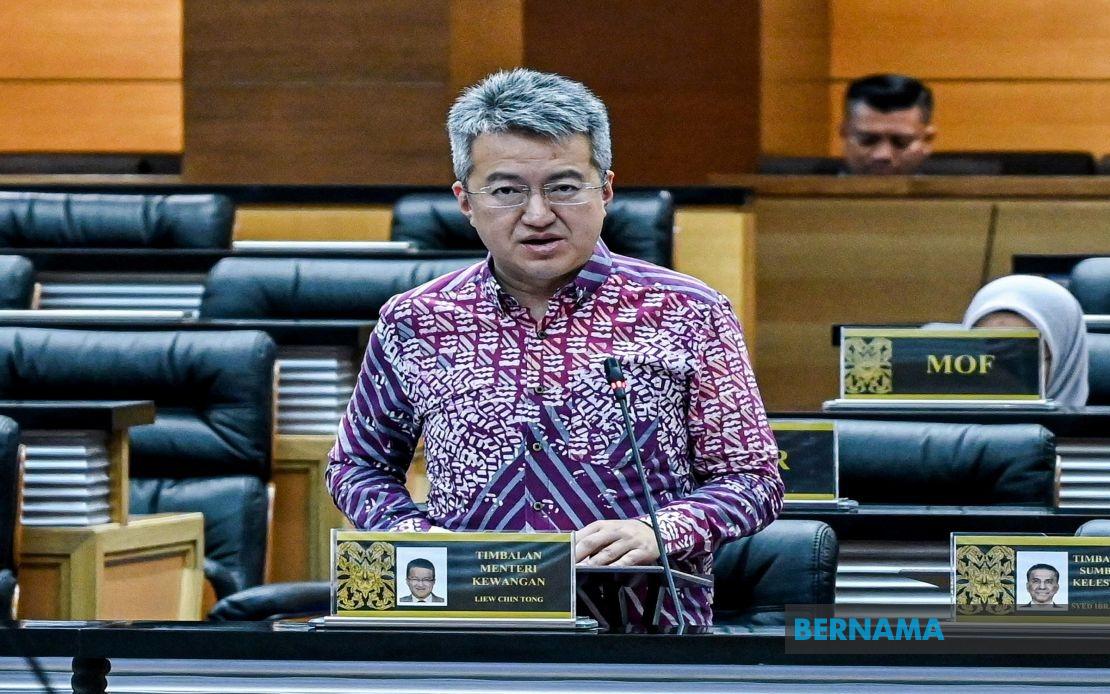
The Malaysian government is weighing a proposal to remove the Sales and Service Tax from facilities providing elderly care, acknowledging the financial strain the levy places on an increasingly vulnerable demographic and their families. Deputy Finance Minister Liew Chin Tong disclosed that the Ministry of Finance and the Ministry of Women, Family and Community Development are collaborating on a comprehensive review to determine whether elderly care centres registered with the Social Welfare Department should receive tax relief from the eight per cent service tax implemented in recent years.
The proposal has gained traction following concerns raised in Parliament by legislators representing constituents burdened by escalating care costs. Liew explained that the joint study encompasses a detailed categorisation of care facilities, distinguishing between those offering basic care services and premium offerings. This differentiation matters considerably, as it will inform whether any exemption should apply universally across the sector or target specific tiers of care provision. The government recognises that a blanket eight per cent tax on an essential service risks widening inequality, particularly when monthly fees for elderly care already reach approximately RM2,500 for many families in middle-income brackets.
During the Dewan Rakyat Special Chamber session, Liew fielded concerns from Lee Chuan How, the Member of Parliament for Ipoh Timor representing the Pakatan Harapan coalition. Lee argued that the service tax has compounded financial pressures on ordinary Malaysian households, who must already allocate substantial portions of their income to dignified care for ageing parents and relatives. The legislator specifically called for an exemption affecting care centres registered with the Social Welfare Department, framing the issue as one of social equity during a period of heightened cost-of-living pressures affecting Malaysian families across income levels.
The Finance Ministry's approach signals a shift toward evidence-based policymaking on tax matters. Rather than making immediate commitments, Liew announced that his ministry intends to conduct on-site working visits to care facilities in collaboration with KPWKM to assess operational realities firsthand. These visits represent an important recognition that policy decisions affecting vulnerable service providers must be grounded in practical understanding of their circumstances. The ministry has also committed to holding engagement sessions with care centre operators, creating formal channels through which industry representatives can articulate their concerns and provide detailed data on how the service tax affects their financial sustainability and service delivery capacity.
This deliberative approach reflects broader governmental interest in understanding the interconnections between tax policy and social welfare provision. The eight per cent service tax, while generating revenue for the state, operates within a complex ecosystem where private care centres serve functions that might otherwise fall to overburdened public health and social service systems. When families cannot afford private elderly care due to tax-inflated fees, the public sector absorbs additional pressure. Conversely, exemptions or targeted relief can enable private providers to maintain affordable services that complement government provision, improving overall care accessibility and quality across the system.
The Malaysian elderly care sector occupies an increasingly critical position within the nation's social infrastructure. Population ageing is accelerating—demographic projections suggest Malaysia's elderly population will represent a significantly larger share of the total population within two decades. This trajectory means that care centre capacity, affordability, and sustainability have direct implications for national welfare spending and family financial security. The tax exemption debate therefore extends beyond immediate questions of individual relief to encompass strategic consideration of how government policy should structure the relationship between taxation, private provision, and public responsibility in the care economy.
Stakeholder consultation represents another dimension of the Finance Ministry's approach. Officials indicated willingness to incorporate feedback from all interested parties—operators, families, advocacy groups, and other commentators—before finalising their recommendations. This inclusive process acknowledges that tax exemptions carry revenue implications and require careful justification to other taxpayers. However, it also recognises that the externalities of policy—effects on service quality, family welfare, and sector viability—must inform decision-making rather than abstract revenue considerations alone. The government's explicit commitment to considering stakeholder input suggests awareness that legitimate questions exist about whether service tax revenue collected from elderly care centres represents the most efficient or equitable form of taxation.
The timing of this review coincides with broader societal discussion about tax fairness and the cost of living in Malaysia. The implementation of service tax several years ago generated significant public debate about its impact on essential services. Elderly care represents a particularly sympathetic case for tax relief, given that the population served cannot easily substitute cheaper alternatives and that family caregiving arrangements—historically the default option—have become less viable as female workforce participation increases and family structures disperse. A tax exemption for elderly care would align with international precedent; many jurisdictions extend preferential tax treatment to health and social care services on grounds of both equity and social policy objectives.
Liew's personal commitment to visit facilities and engage with operators carries symbolic significance beyond the procedural. When senior officials demonstrate direct engagement with affected communities, it signals that concerns are being taken seriously at ministerial level. This can build confidence among care centre operators who may fear that bureaucratic processes will overlook industry-specific challenges. Additionally, firsthand observation may surface issues that standardised consultations overlook—the condition of facilities, the scale of unmet demand, the profile of users and their families, and the operational margins within which providers function.
For Malaysian families with elderly relatives, the outcome of this study carries direct financial implications. An exemption would reduce monthly care costs by approximately RM200 for facilities charging RM2,500 monthly—a meaningful reduction for households managing multiple dependents or facing other pressures. For care centre operators, relief would improve competitiveness, potentially enabling fee reductions that broaden access to private care options. The ripple effects would extend to the public health system, which currently absorbs demand that private providers cannot accommodate at affordable rates. In this sense, the exemption question ultimately concerns the distribution of responsibility for elderly welfare between family, market, and state.
The parliamentary discussion reflects wider recognition that blanket taxation policies may produce inequitable outcomes when applied to sectors serving vulnerable populations. The willingness of government to reconsider the application of service tax to elderly care, rather than dismissing concerns as special pleading, demonstrates receptiveness to arguments about progressive taxation and social protection. As Malaysia's population ages and care demand intensifies, the frameworks established now—whether through tax policy, regulation, or service provision agreements—will shape the sector's capacity to meet need equitably and sustainably for decades to come.

